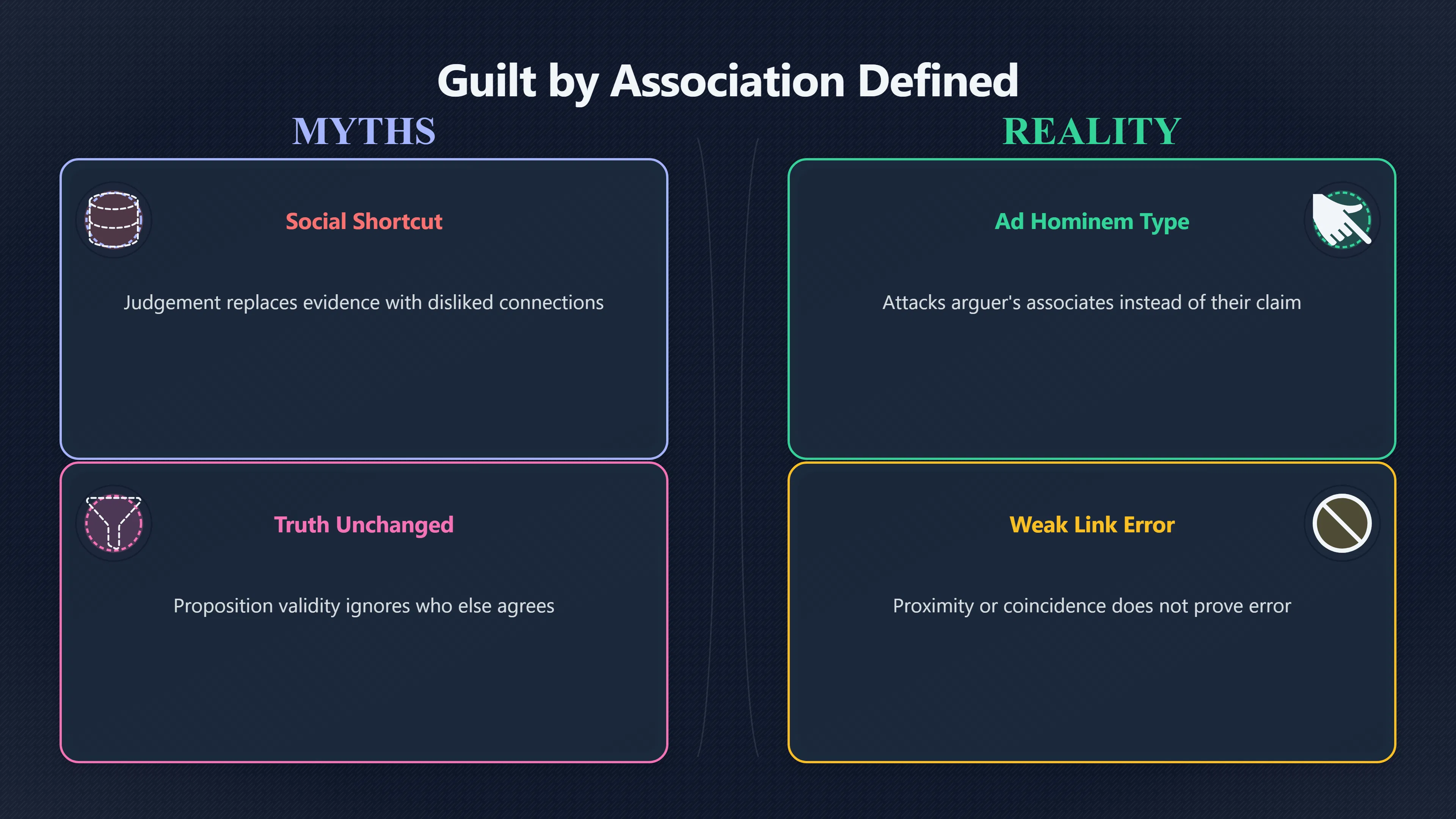
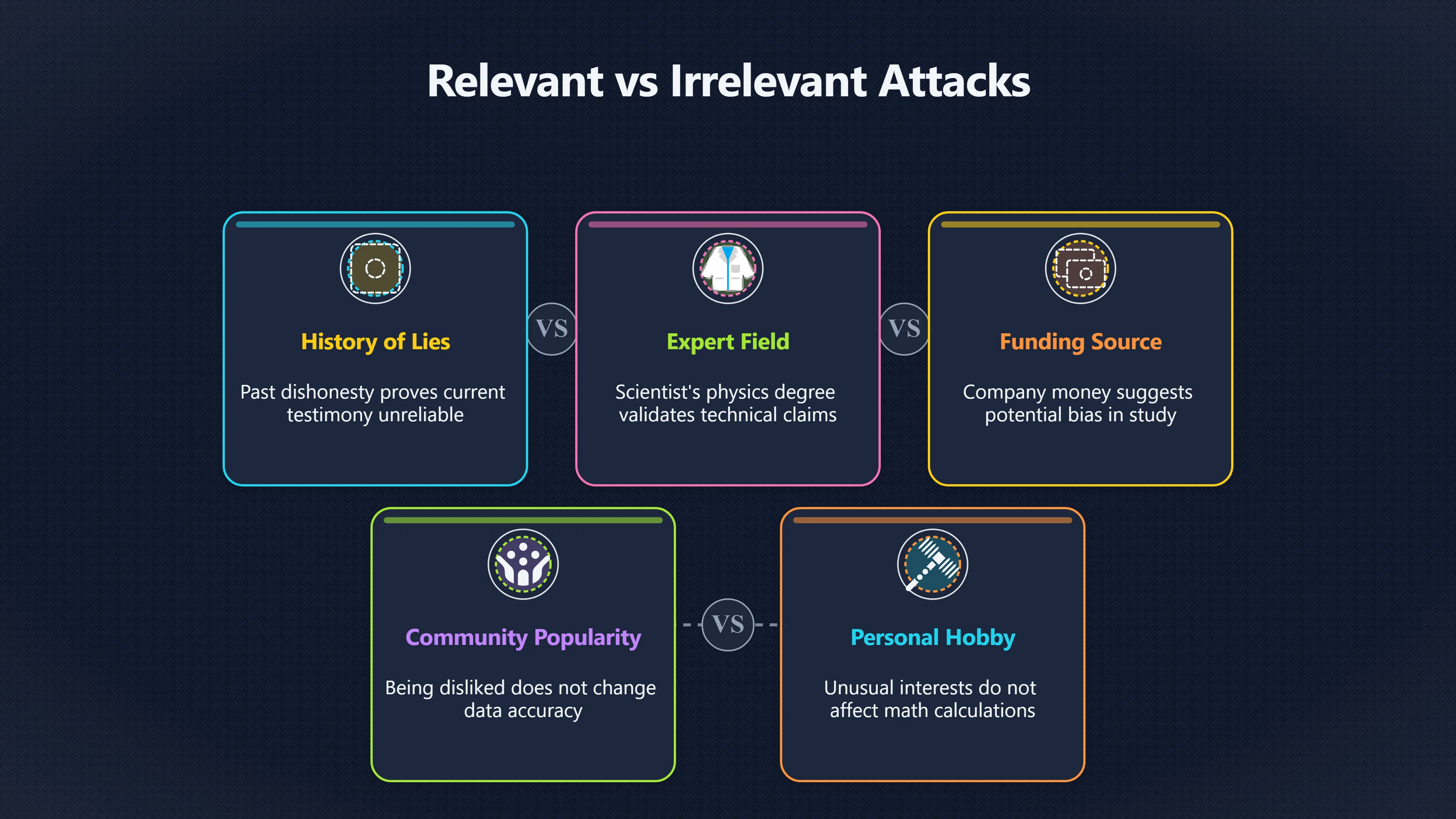
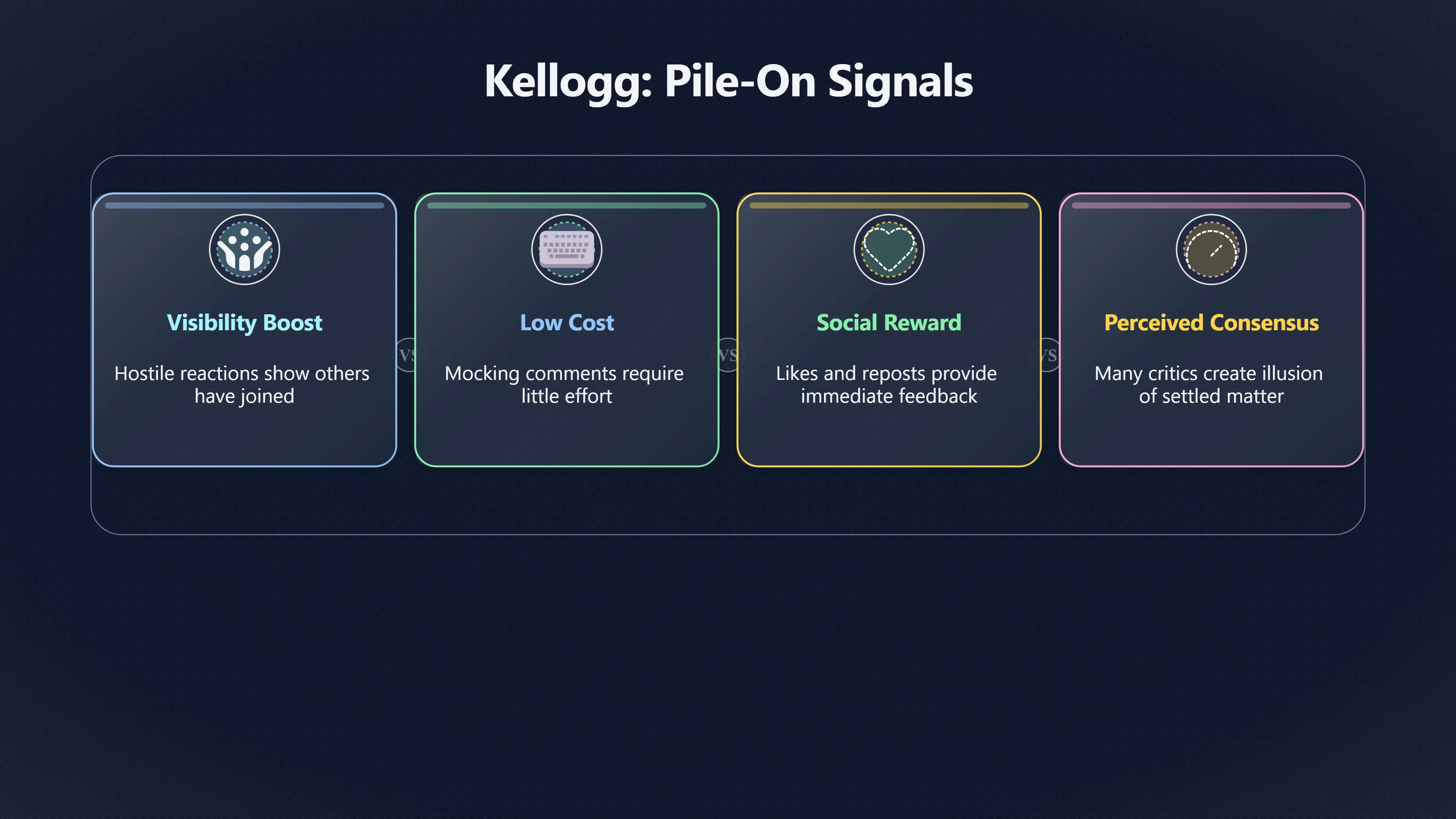
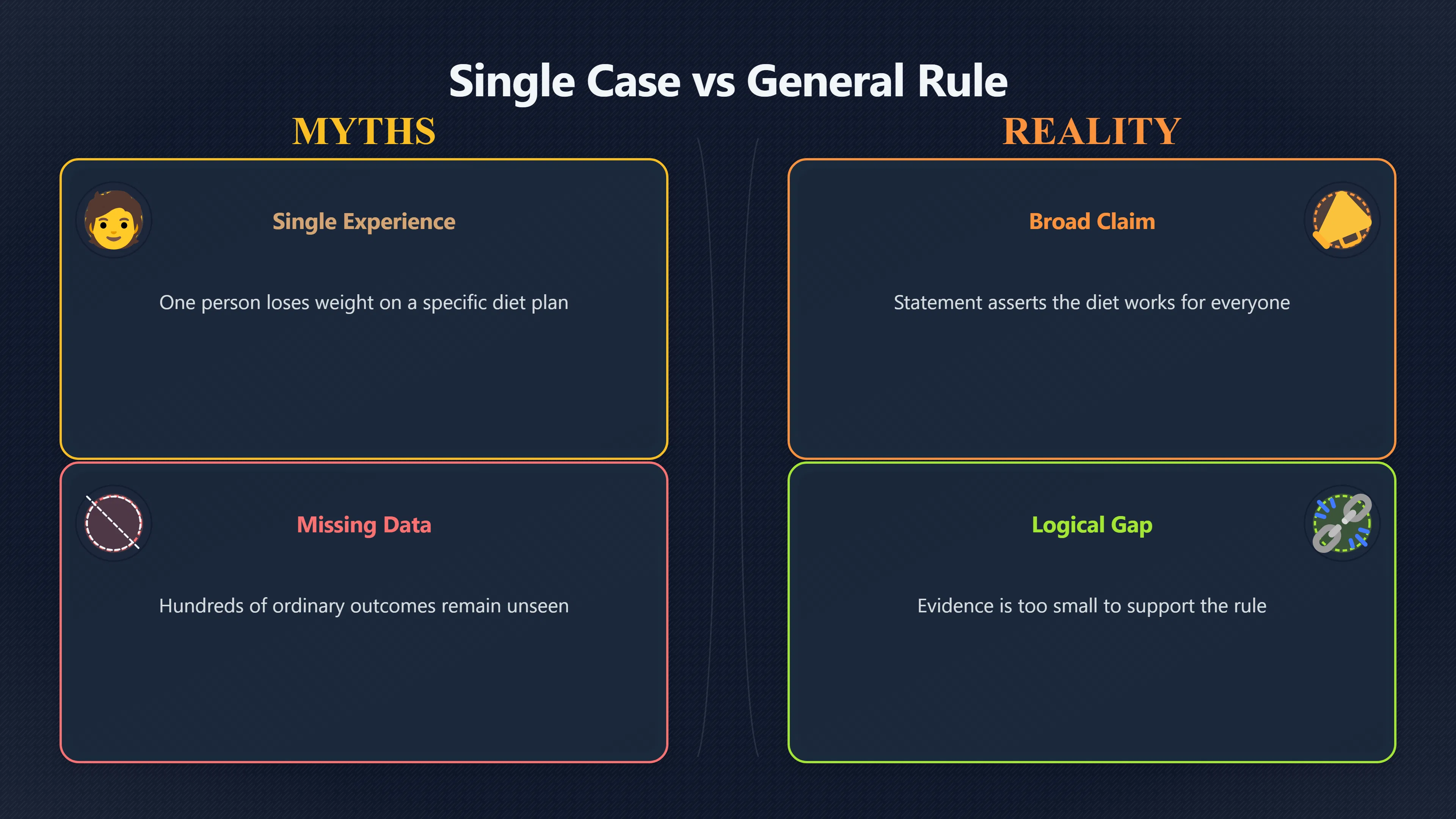
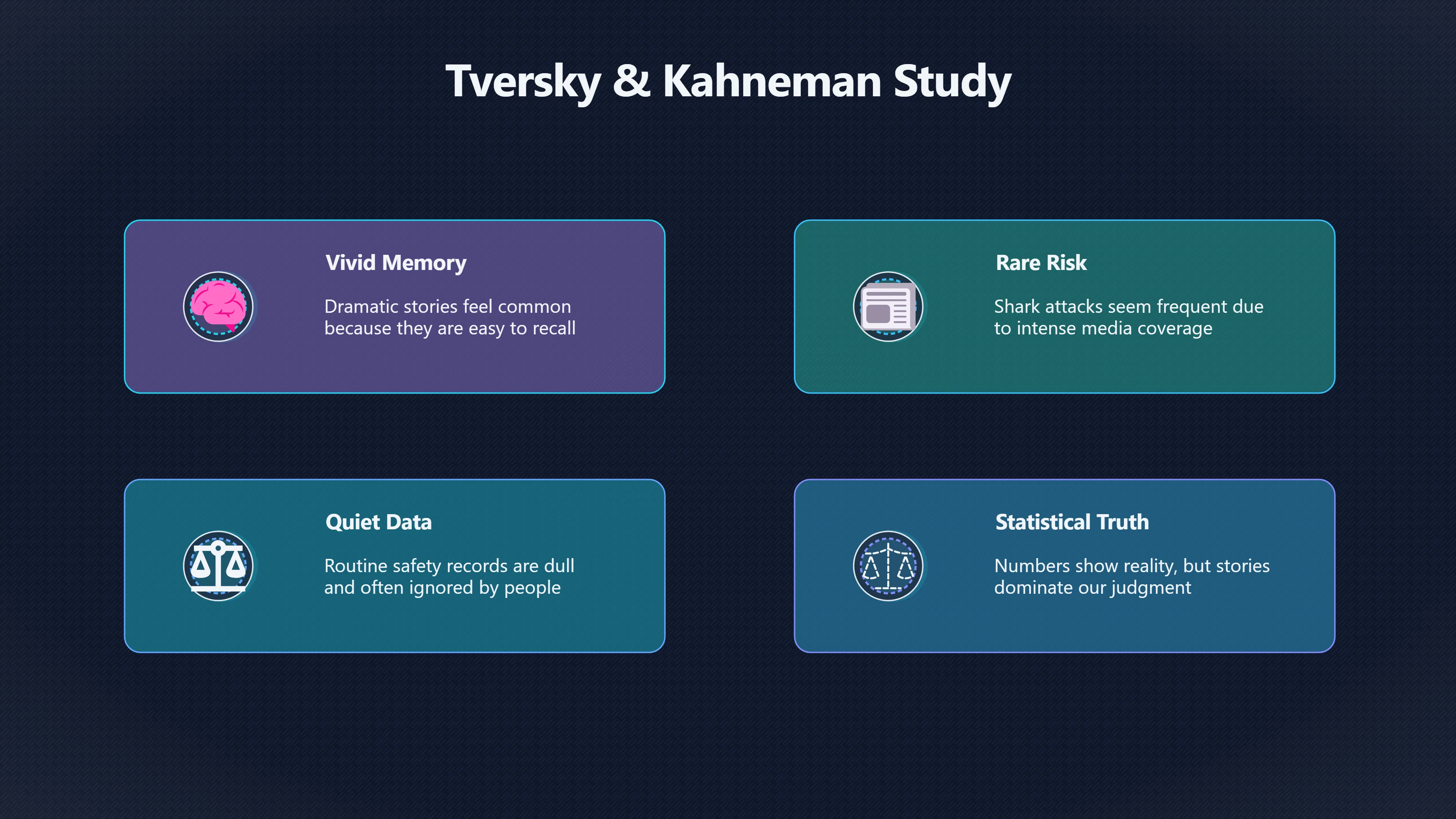
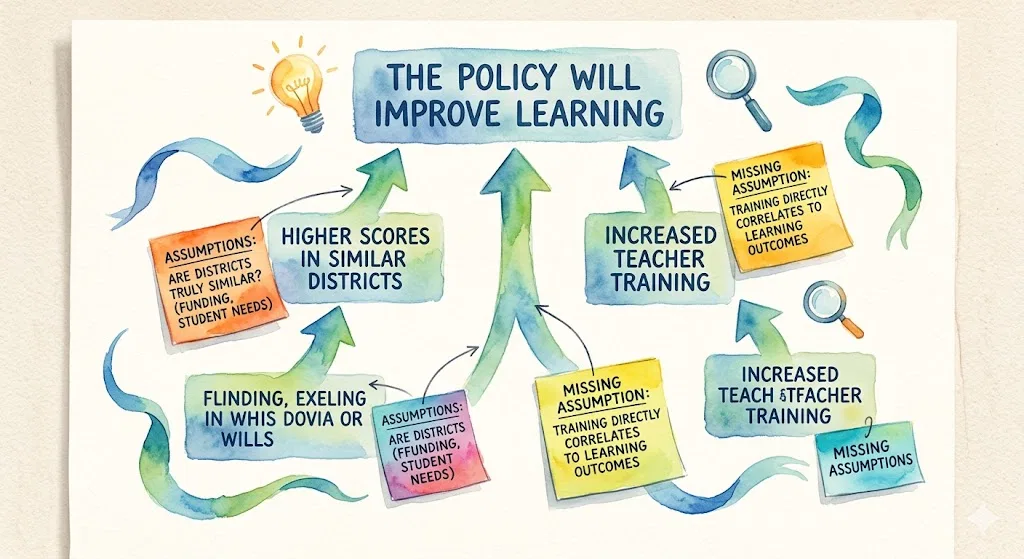
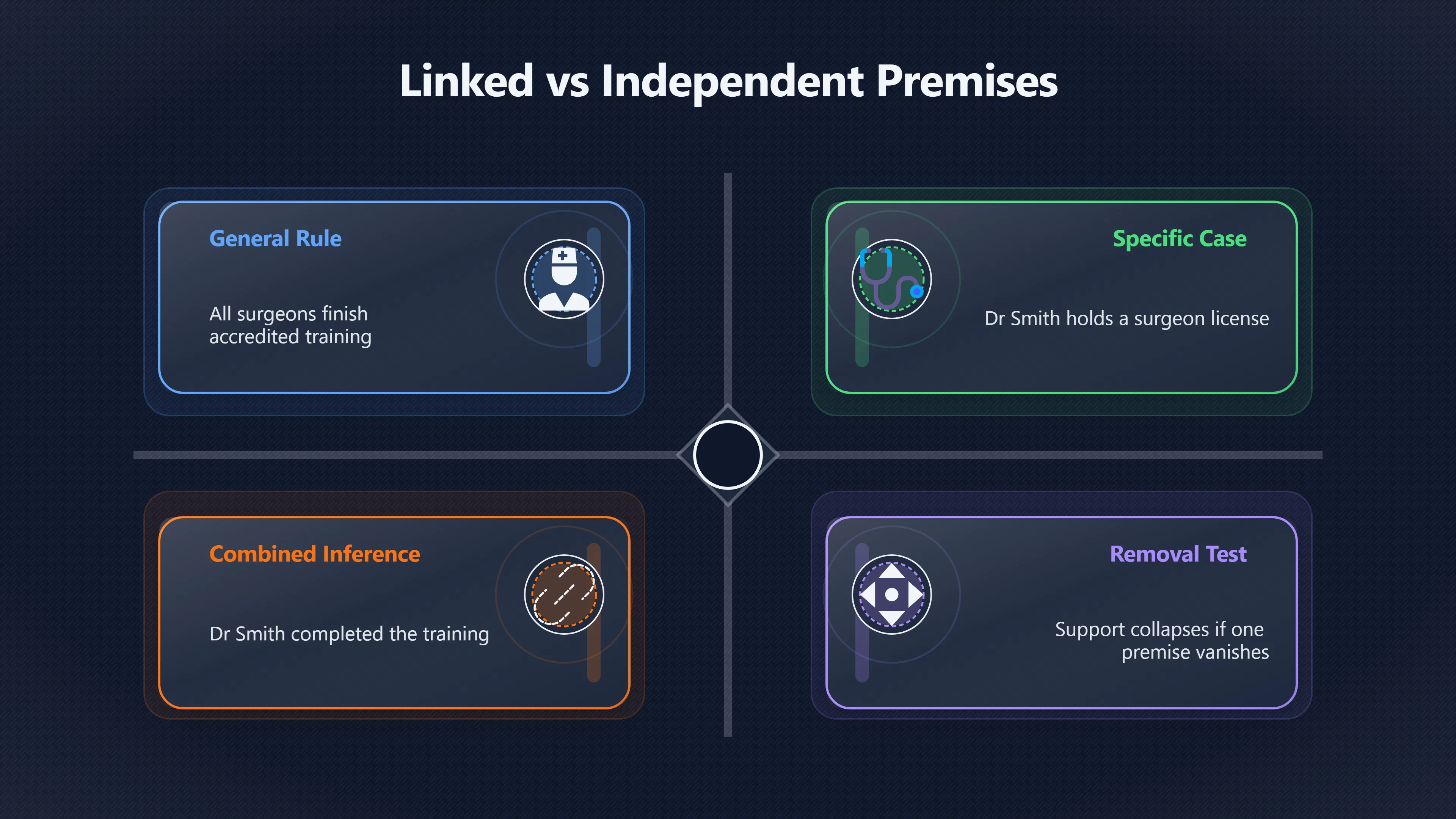
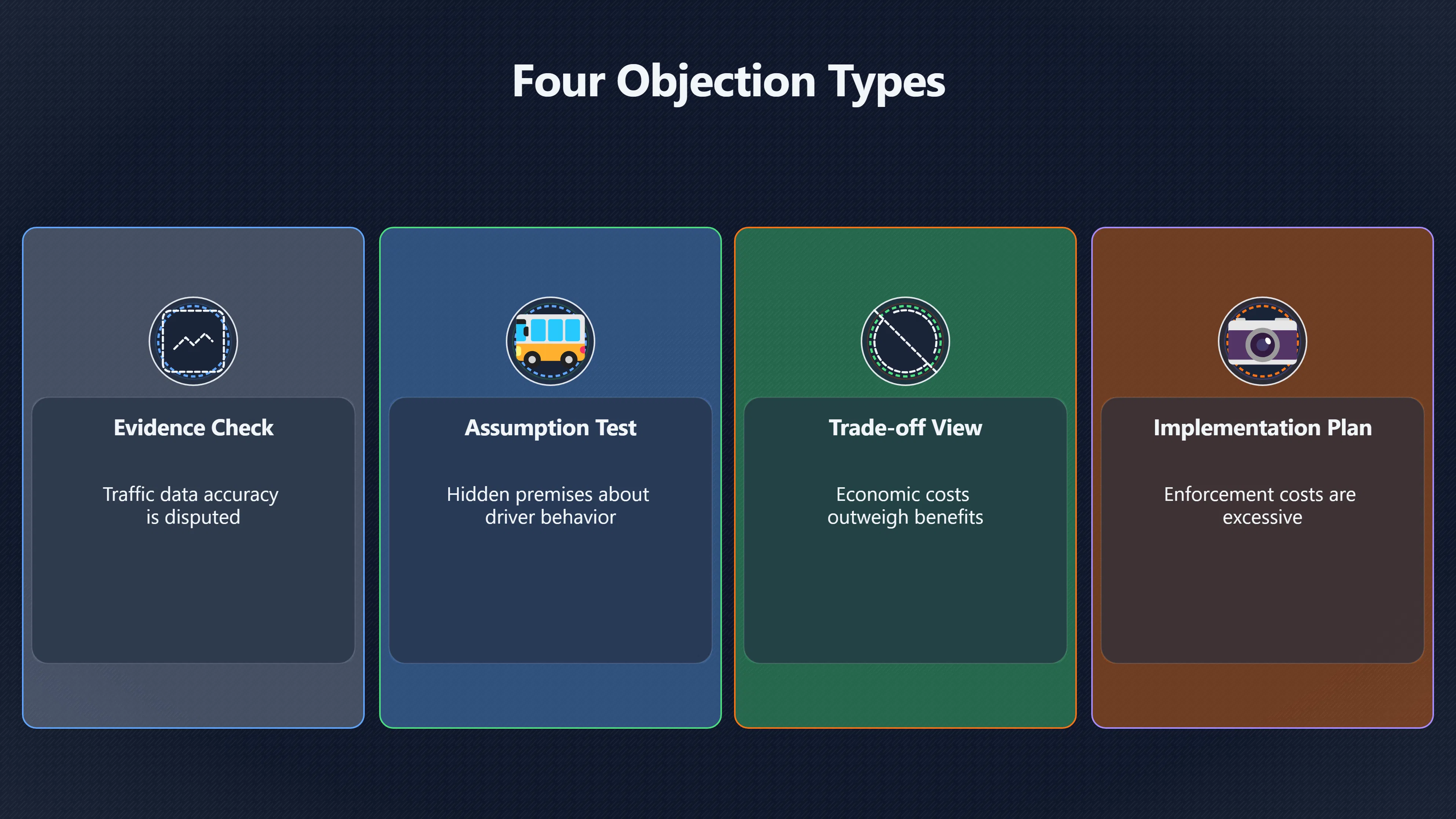
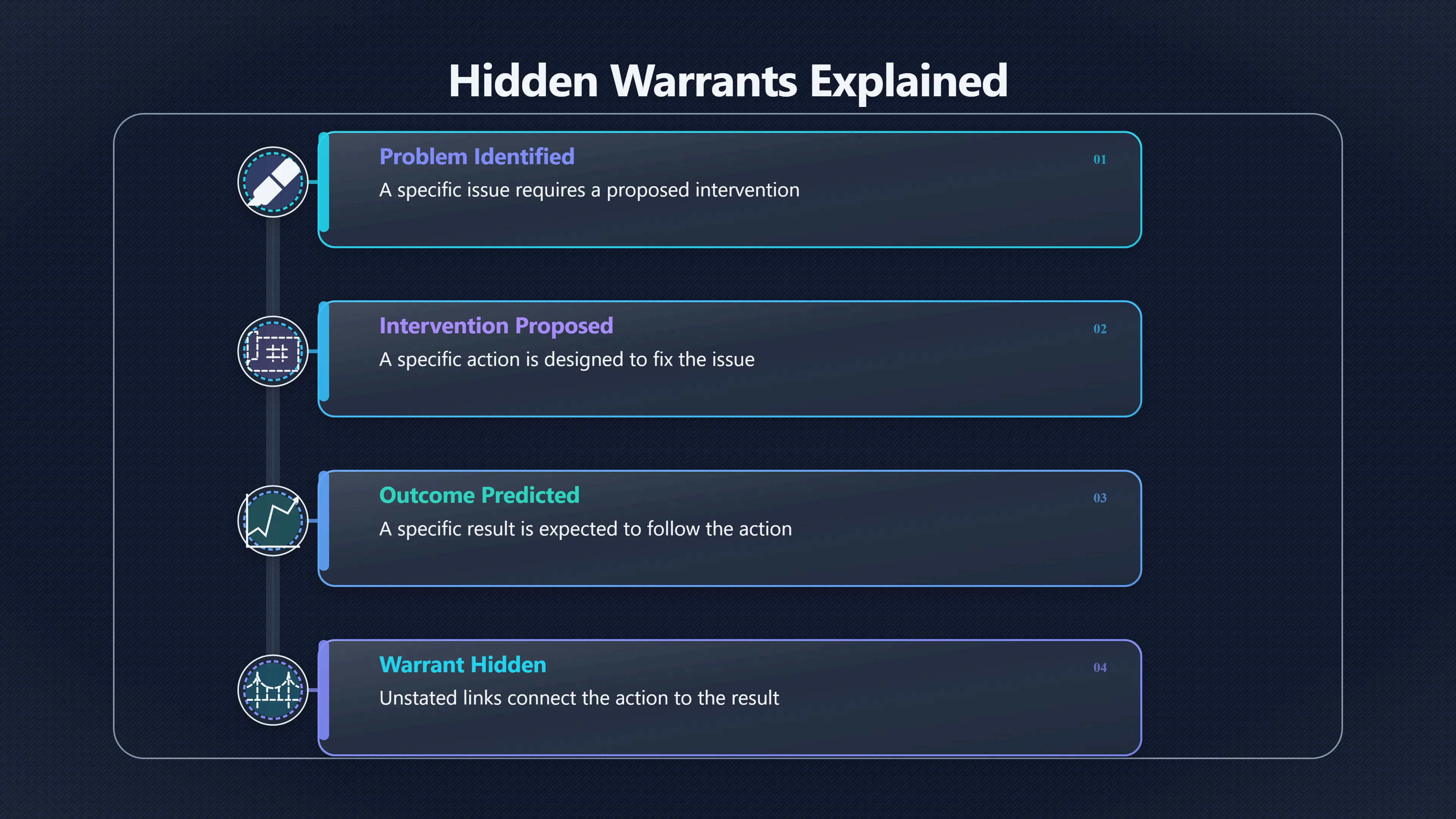
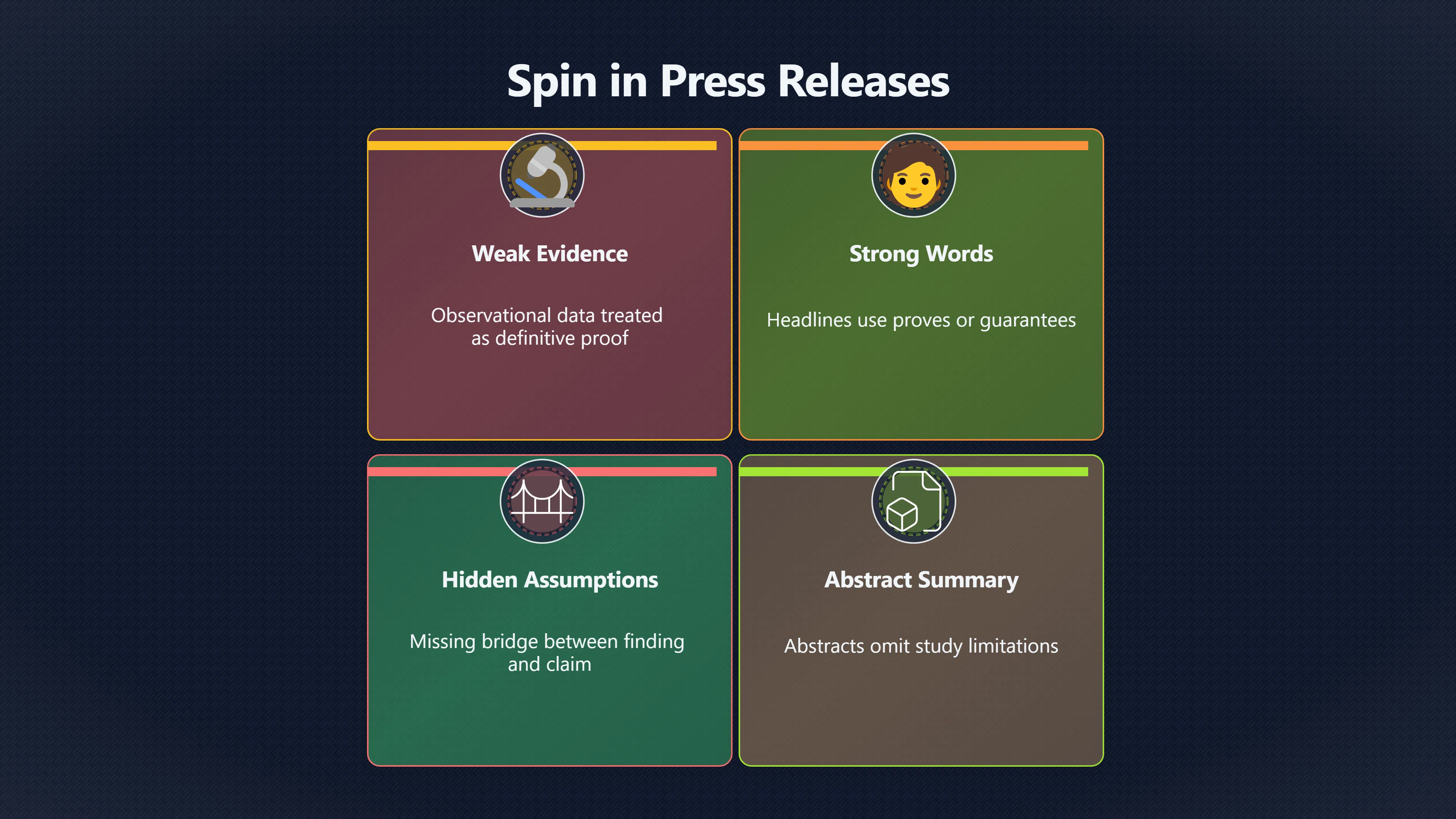
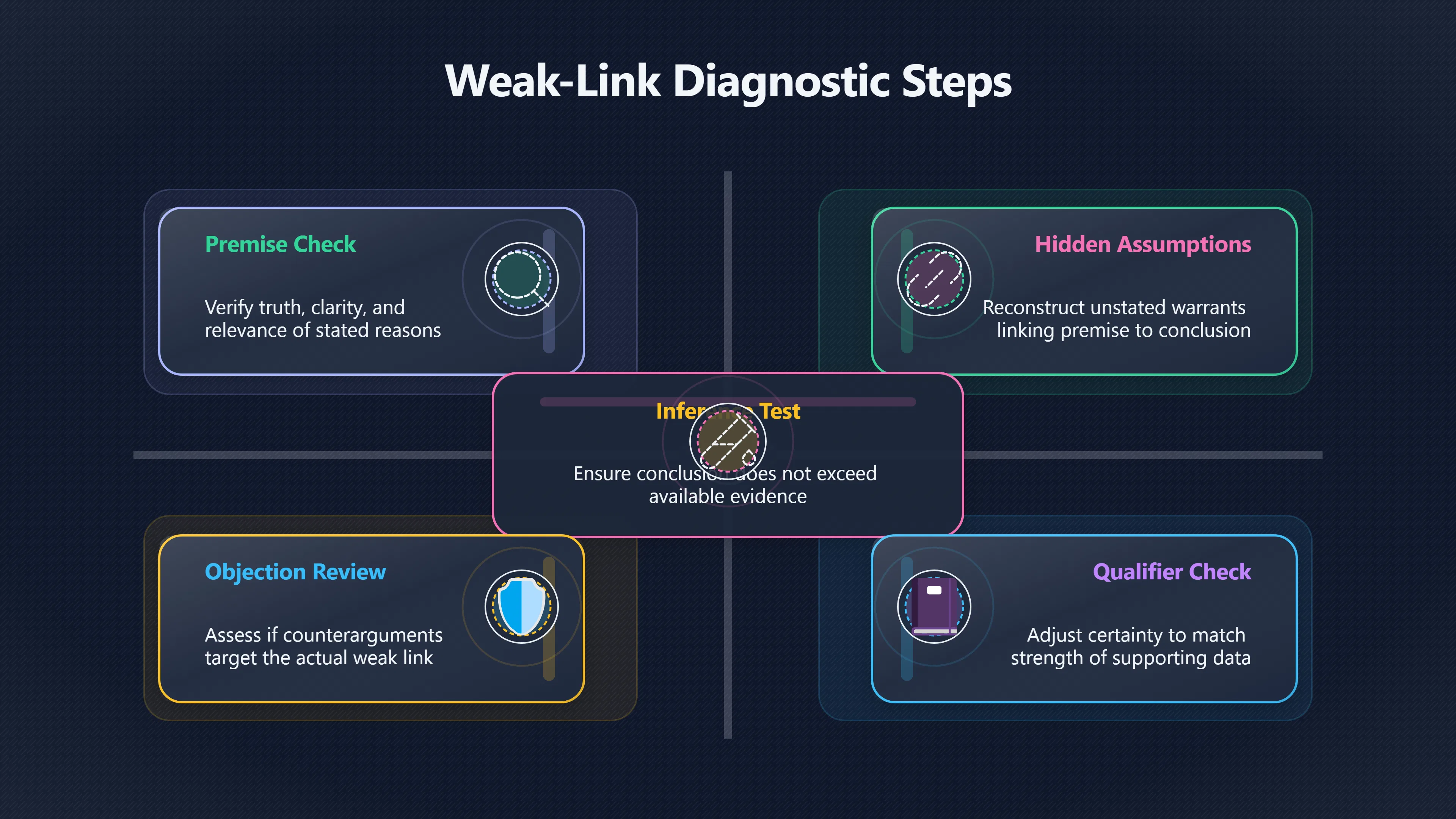
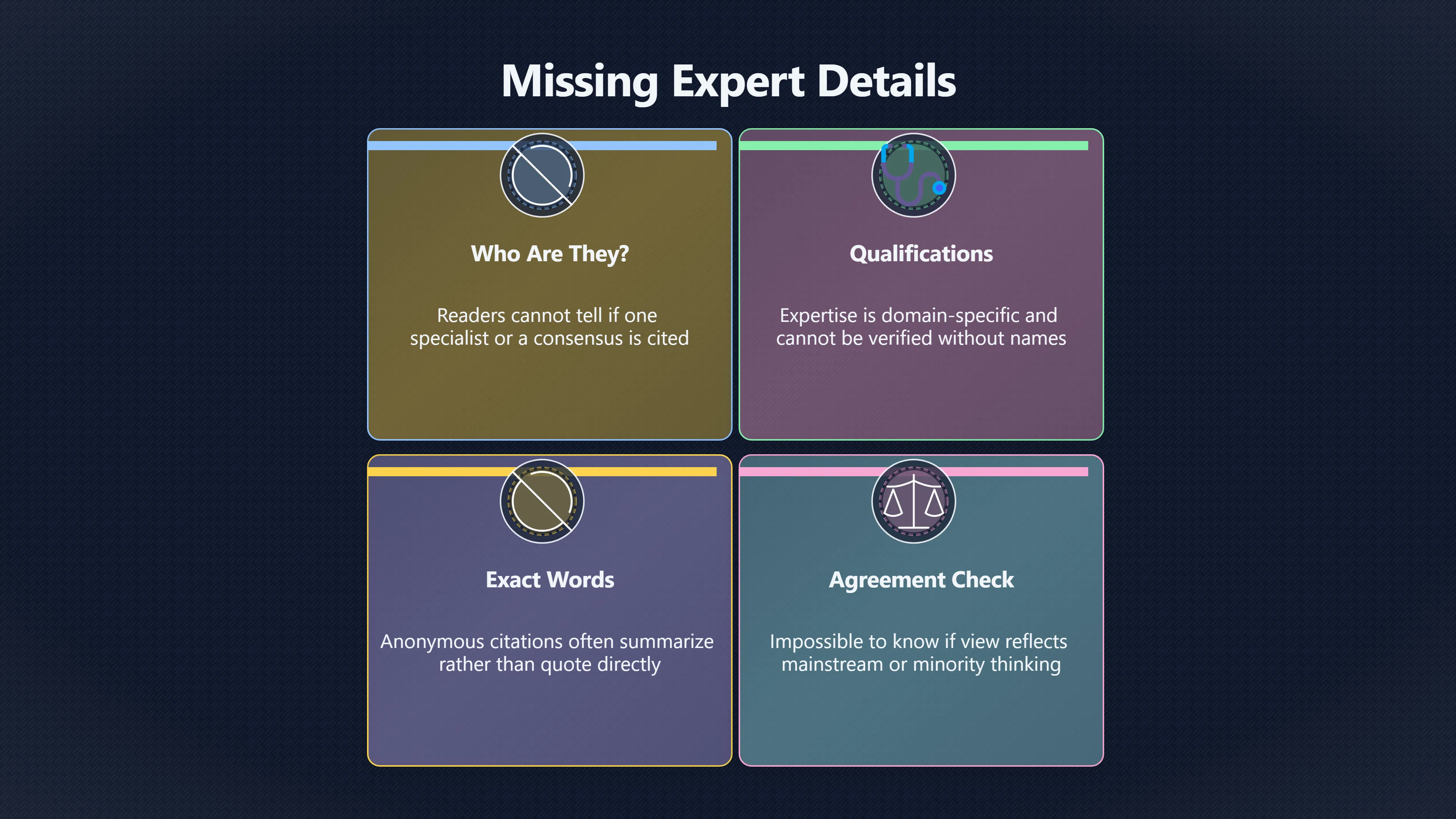
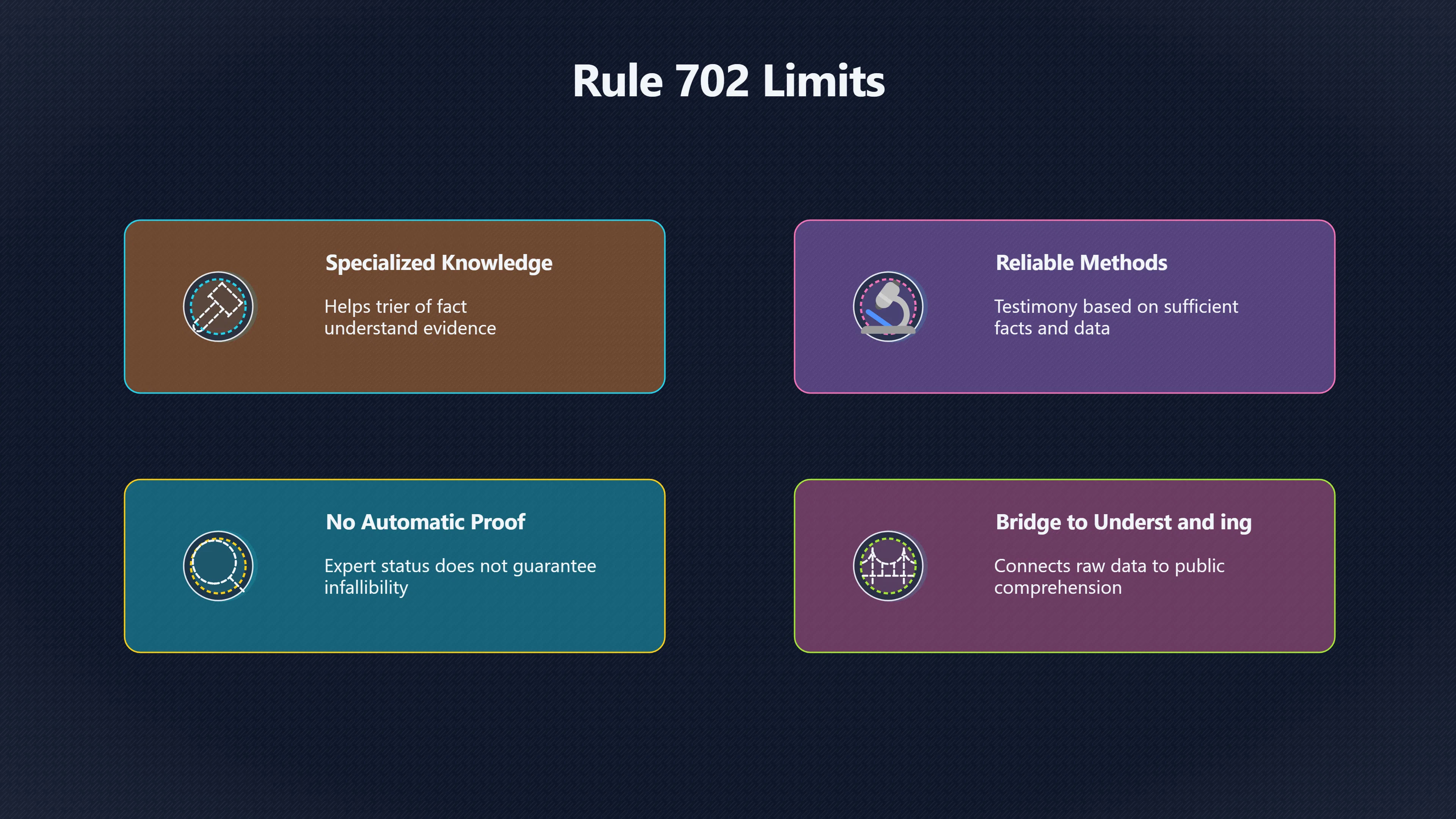
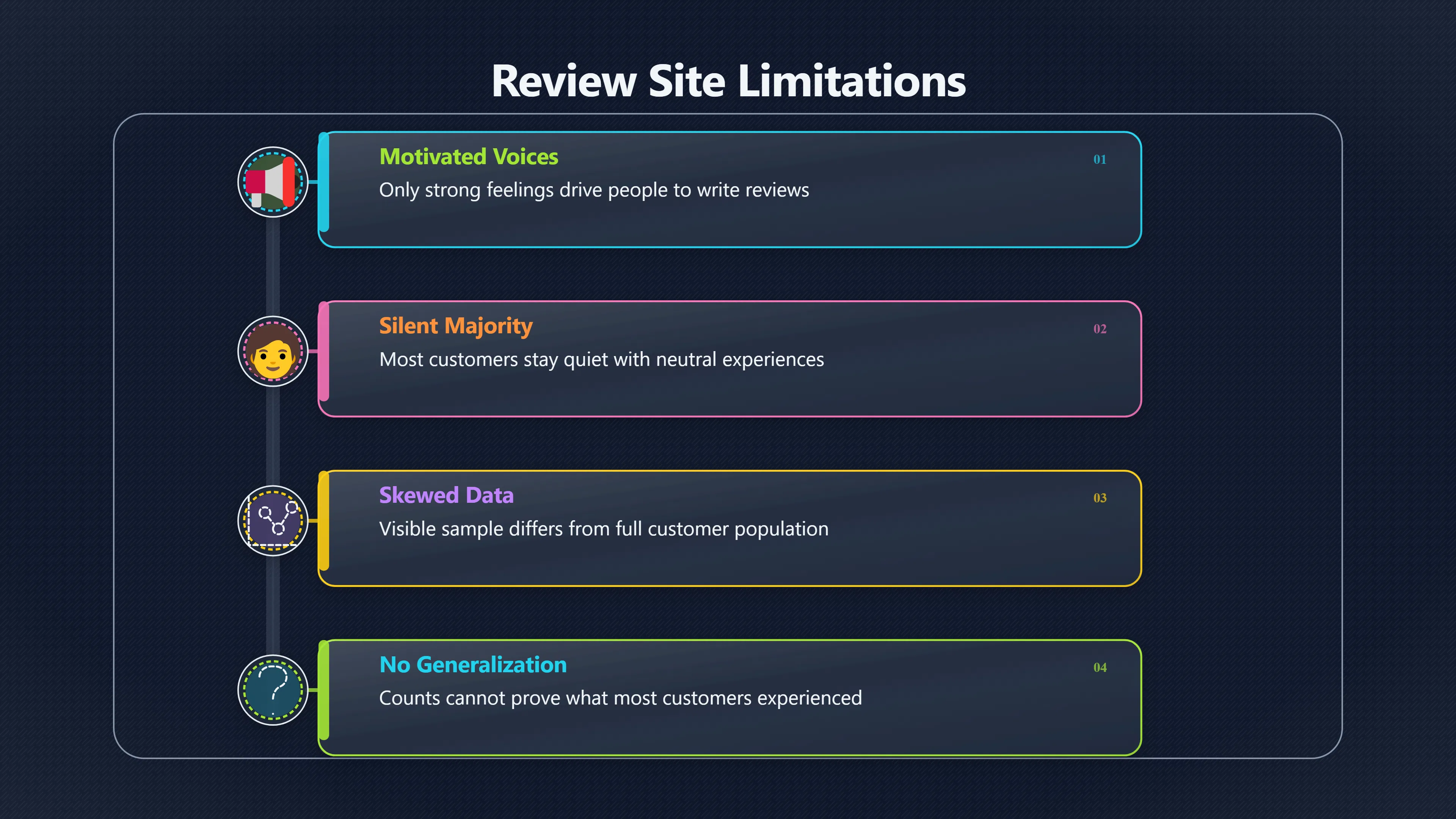
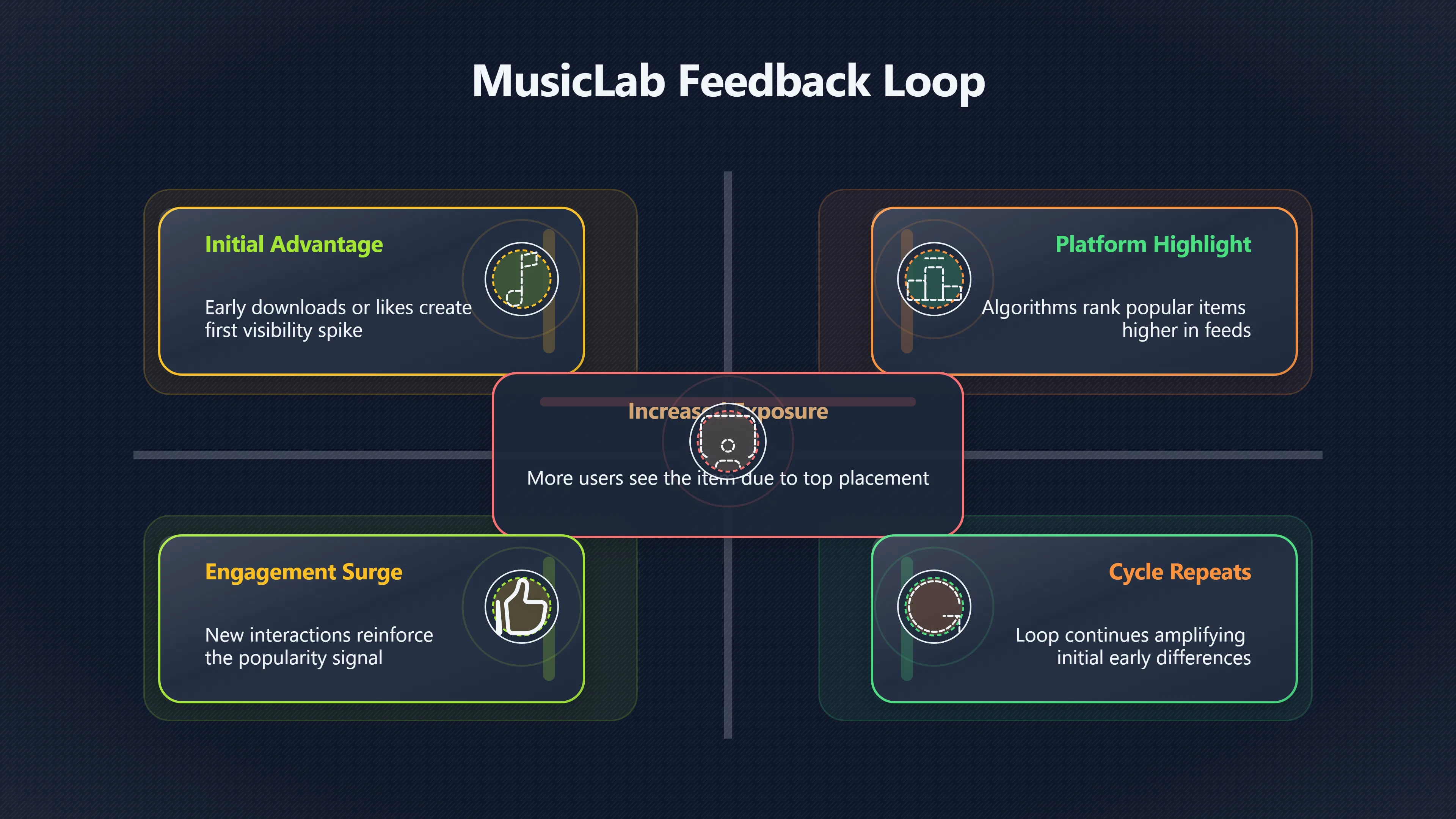
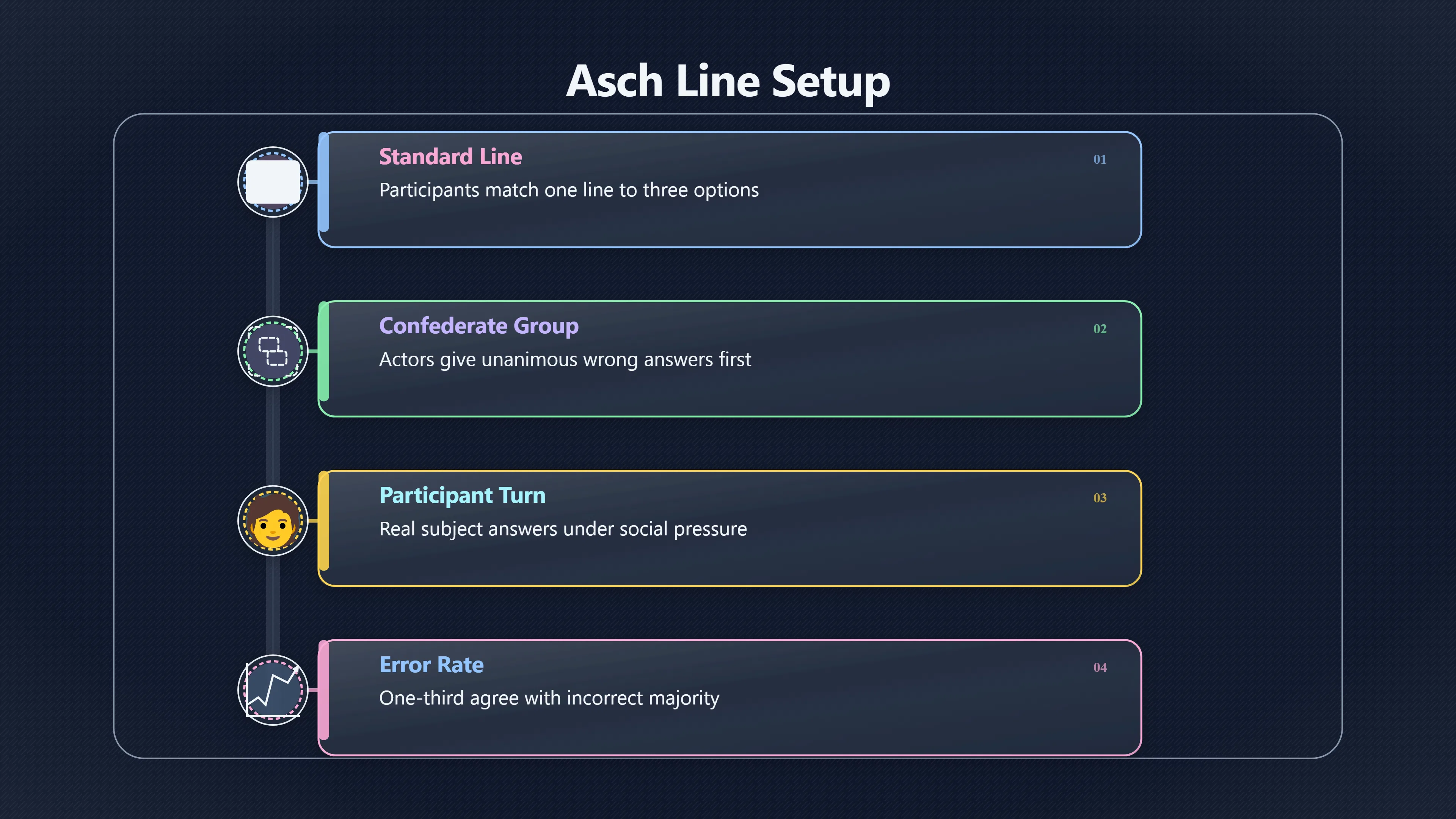
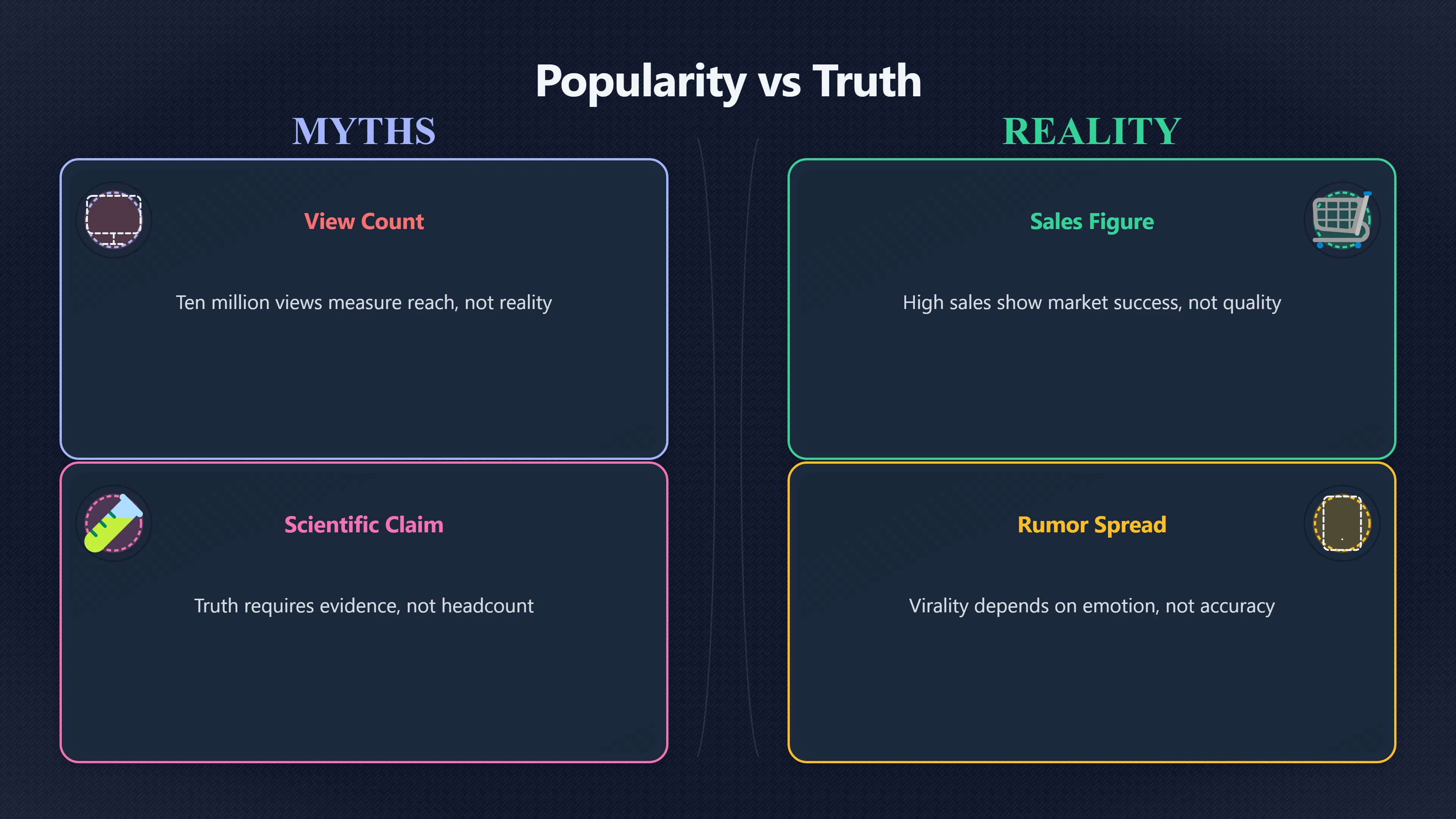
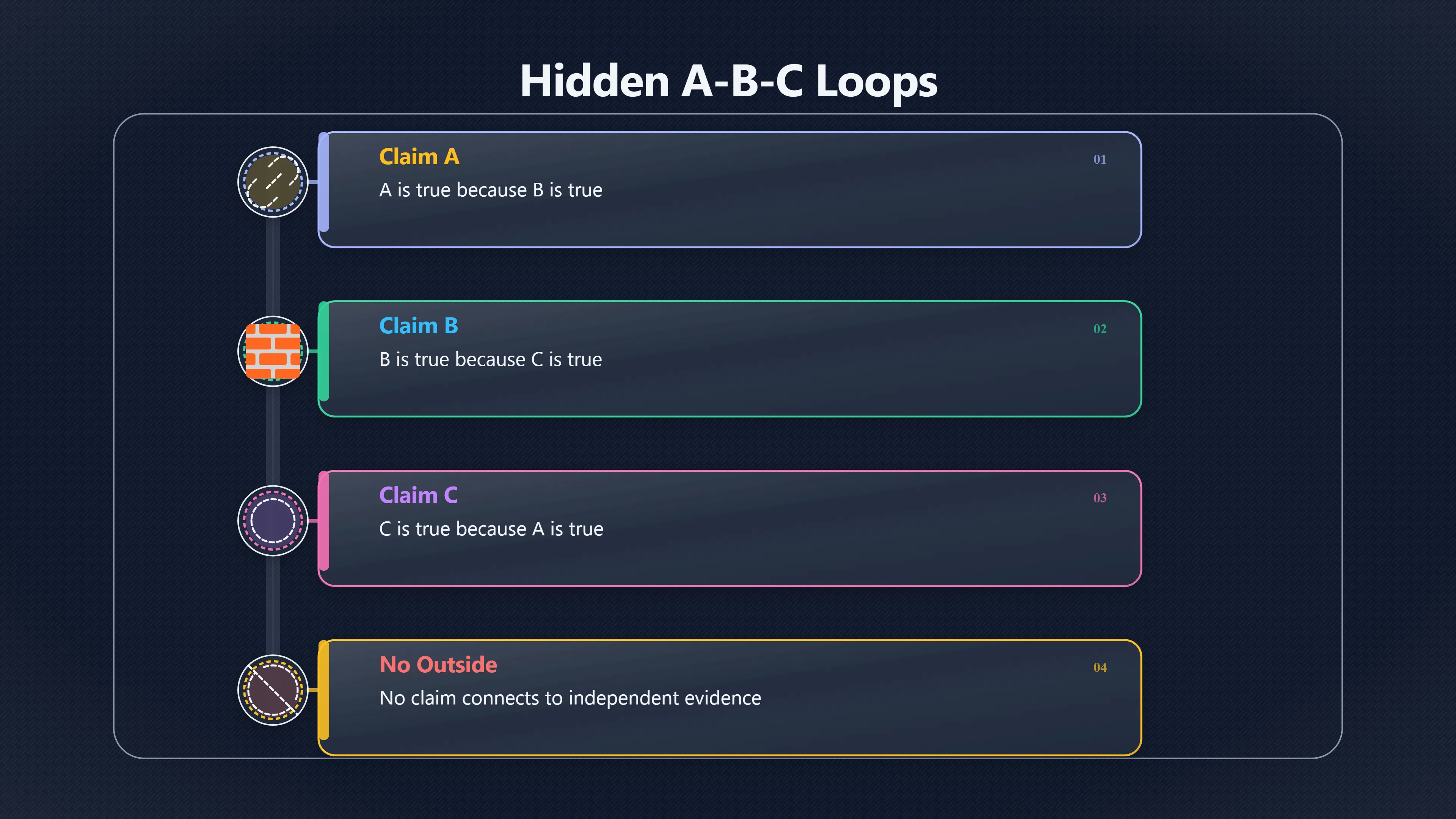
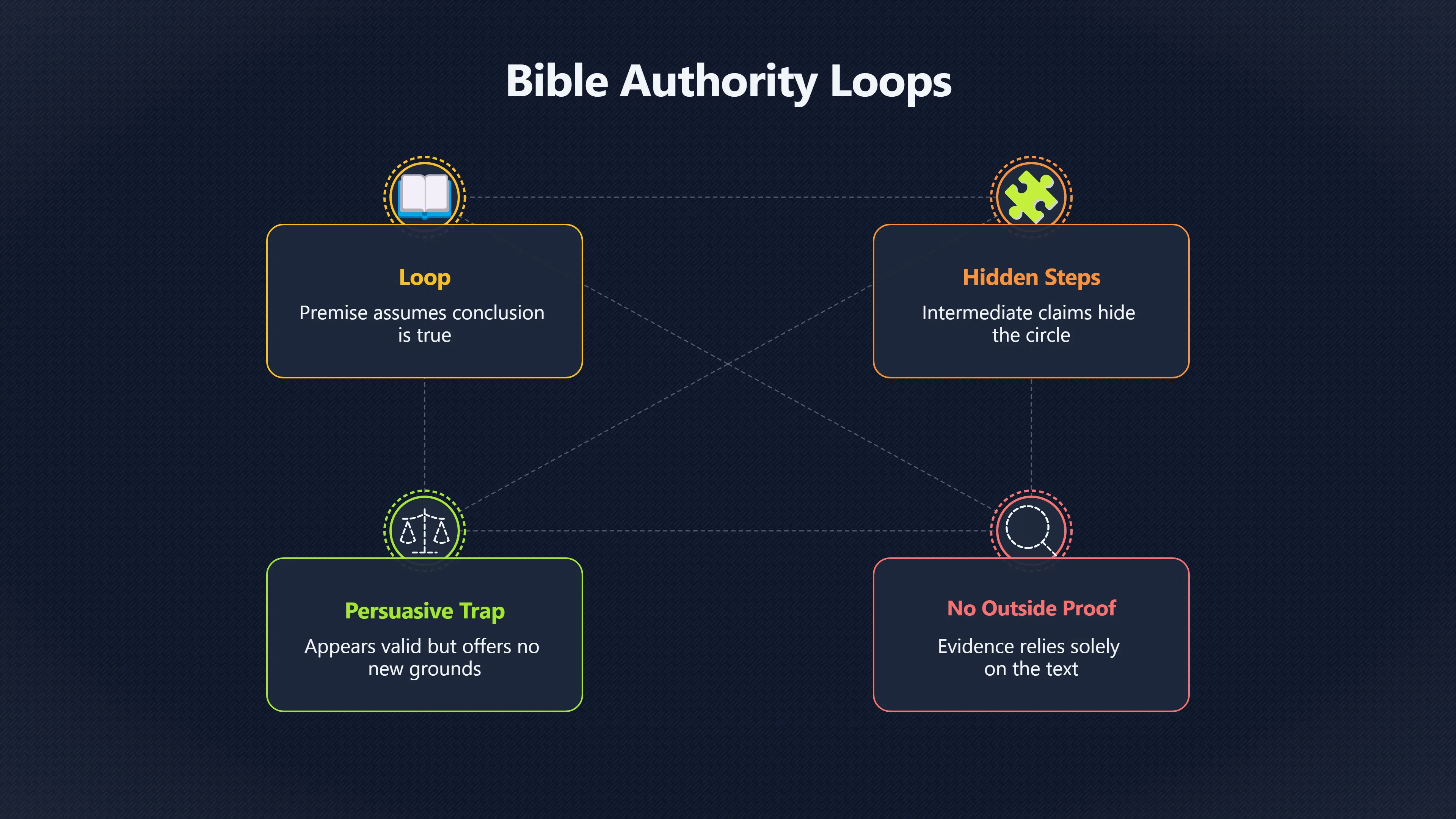
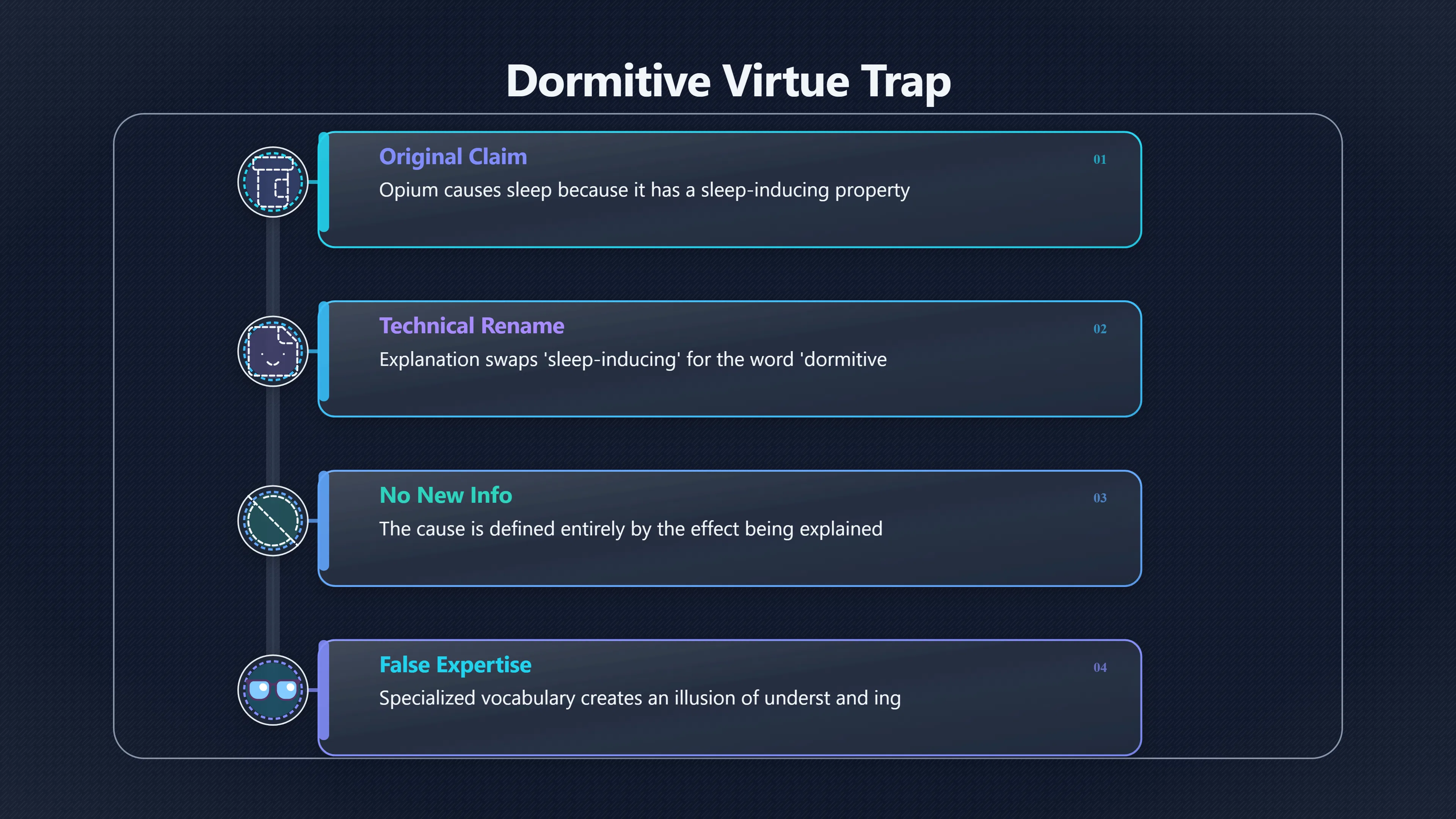
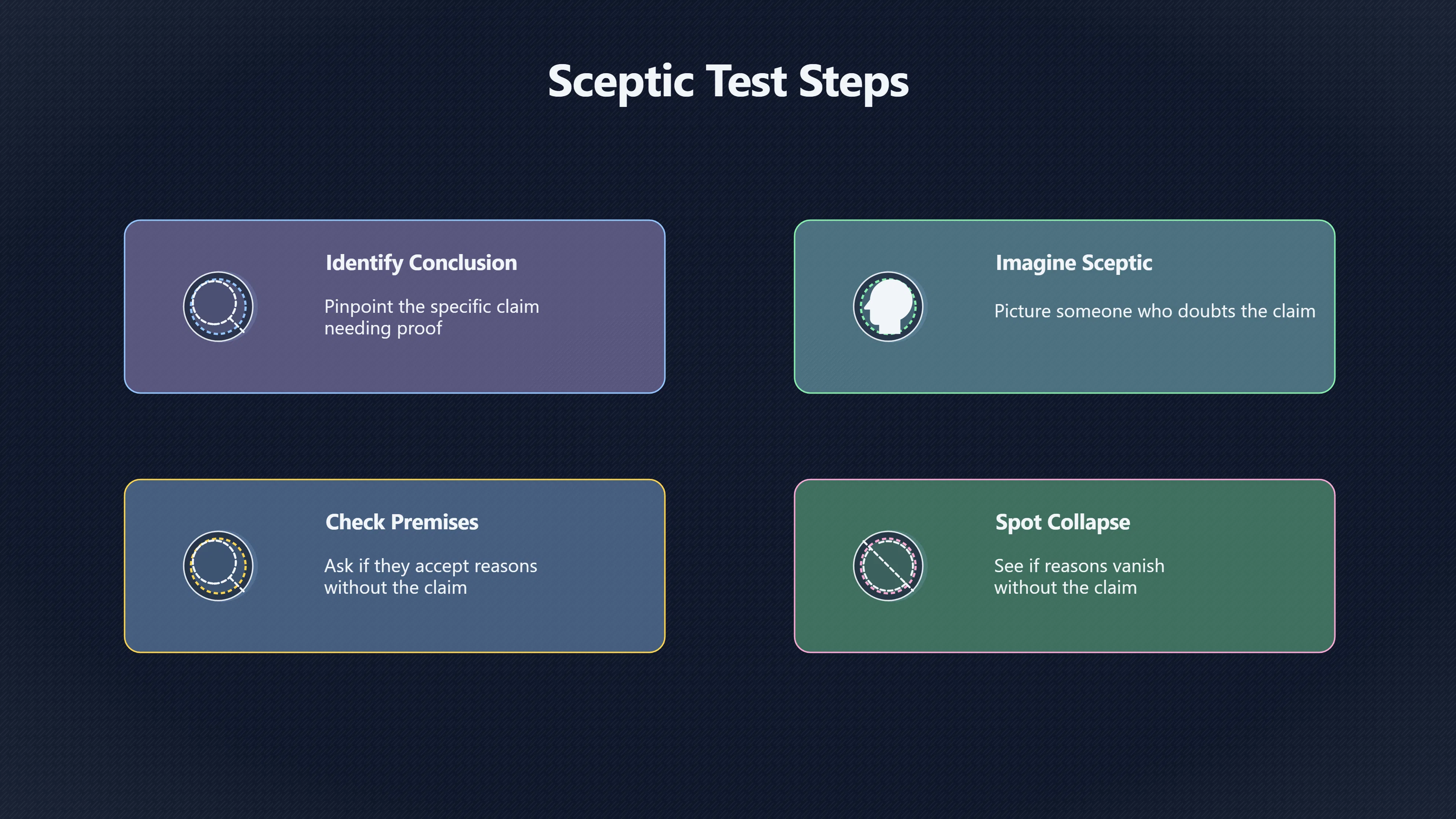
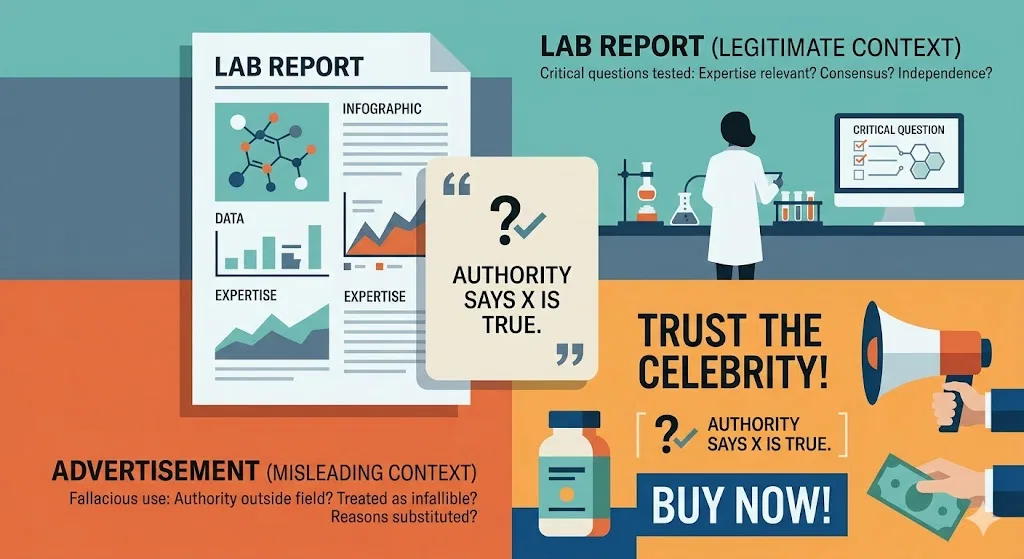
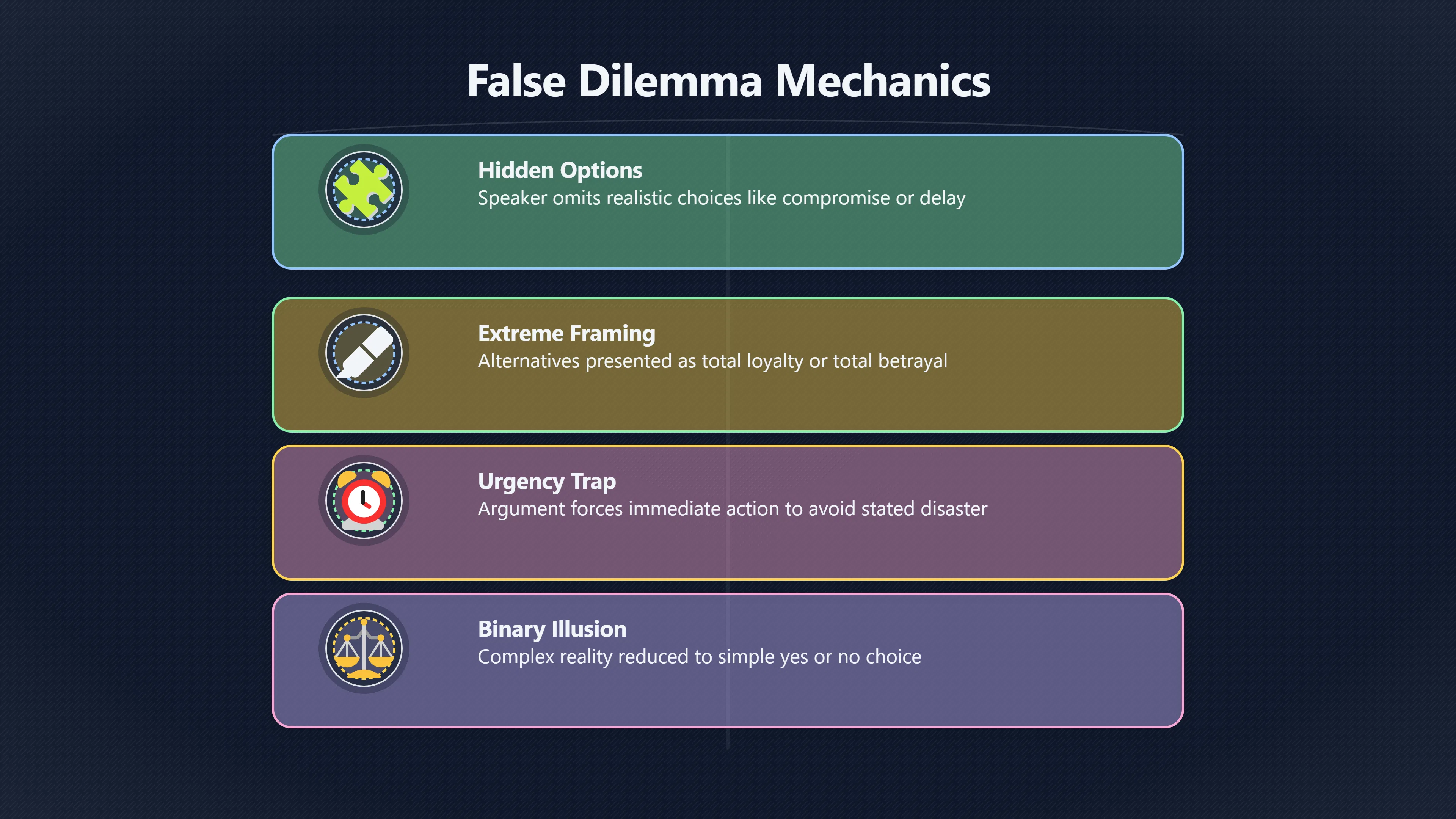
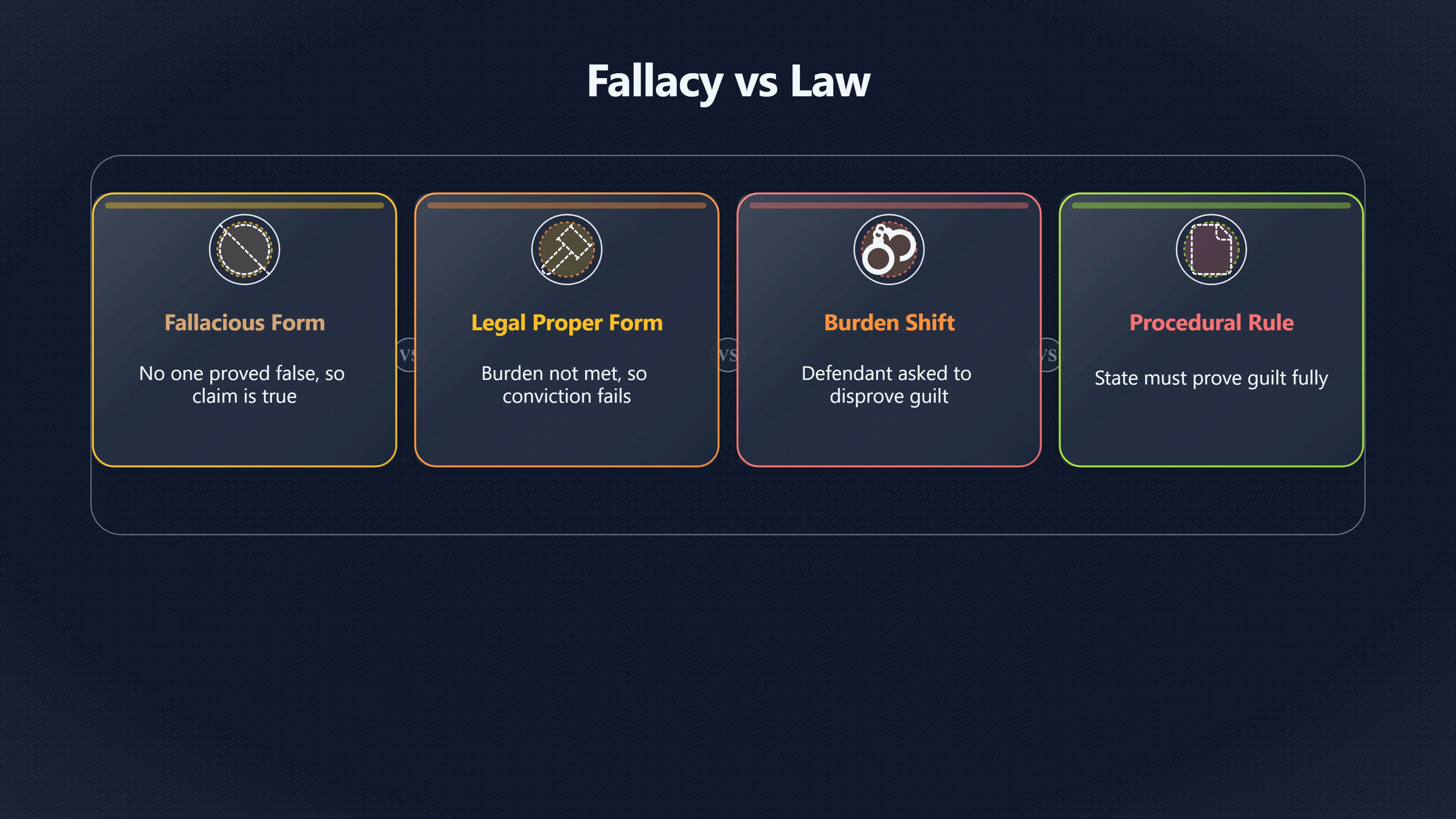
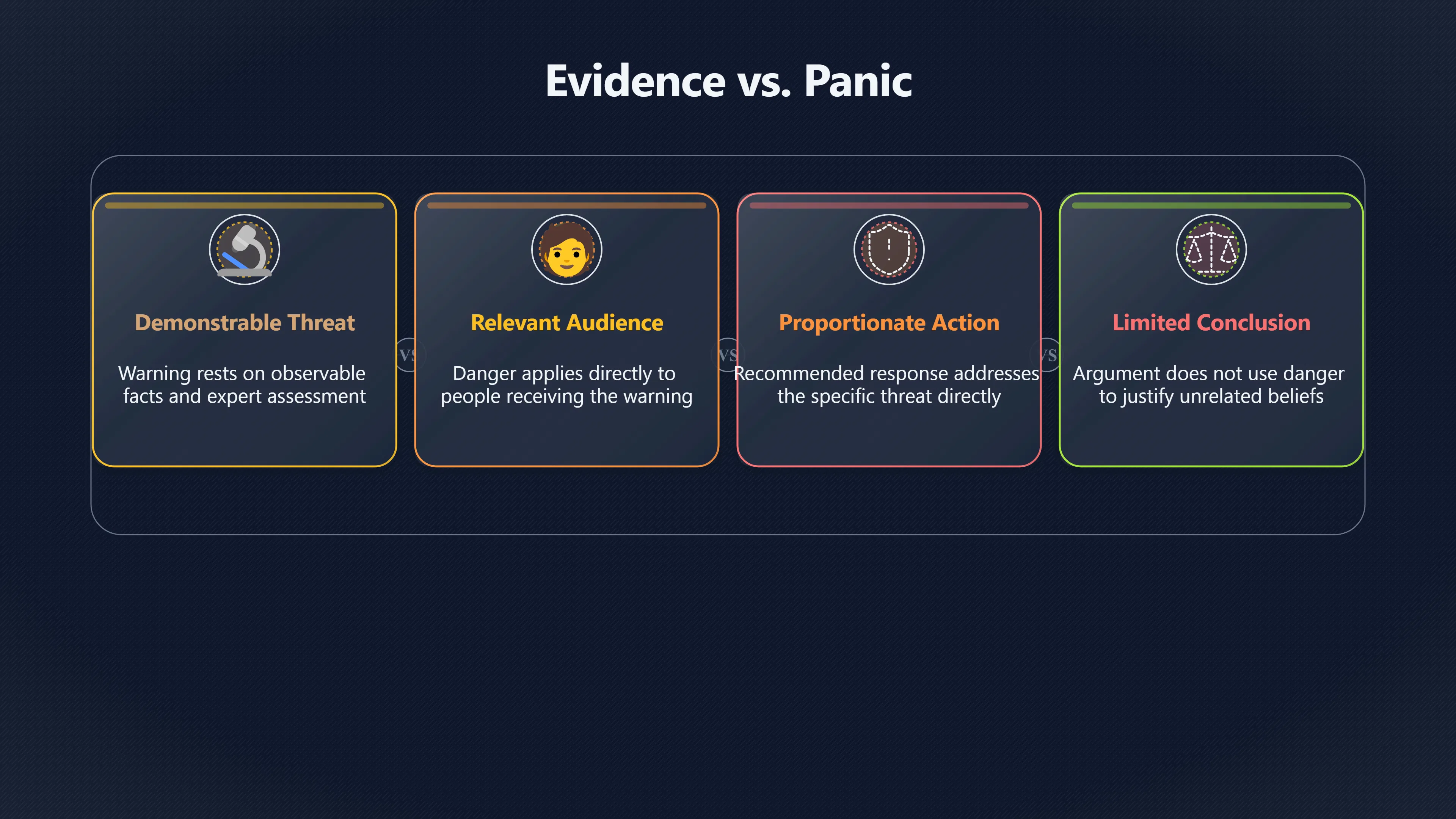
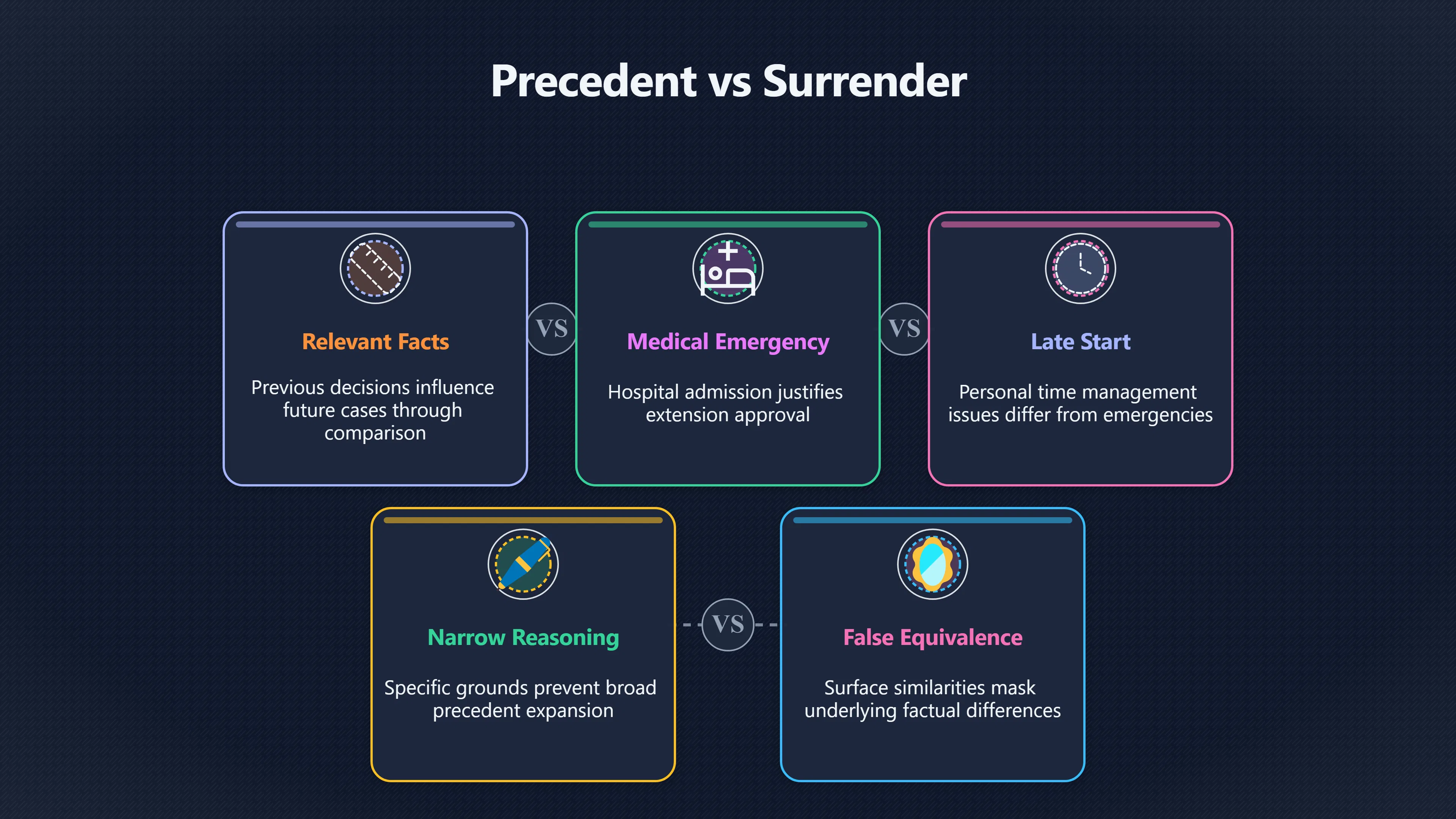
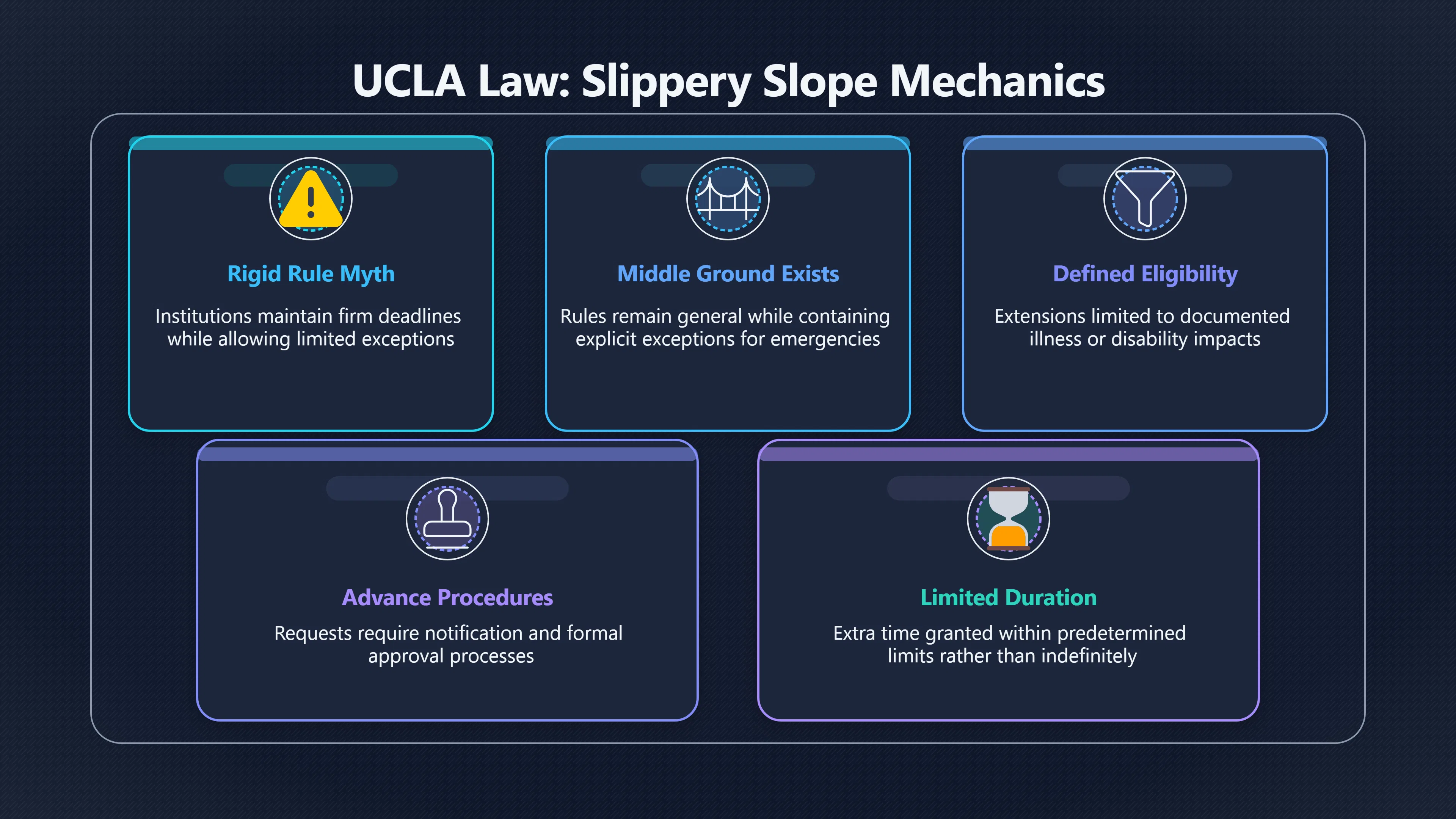
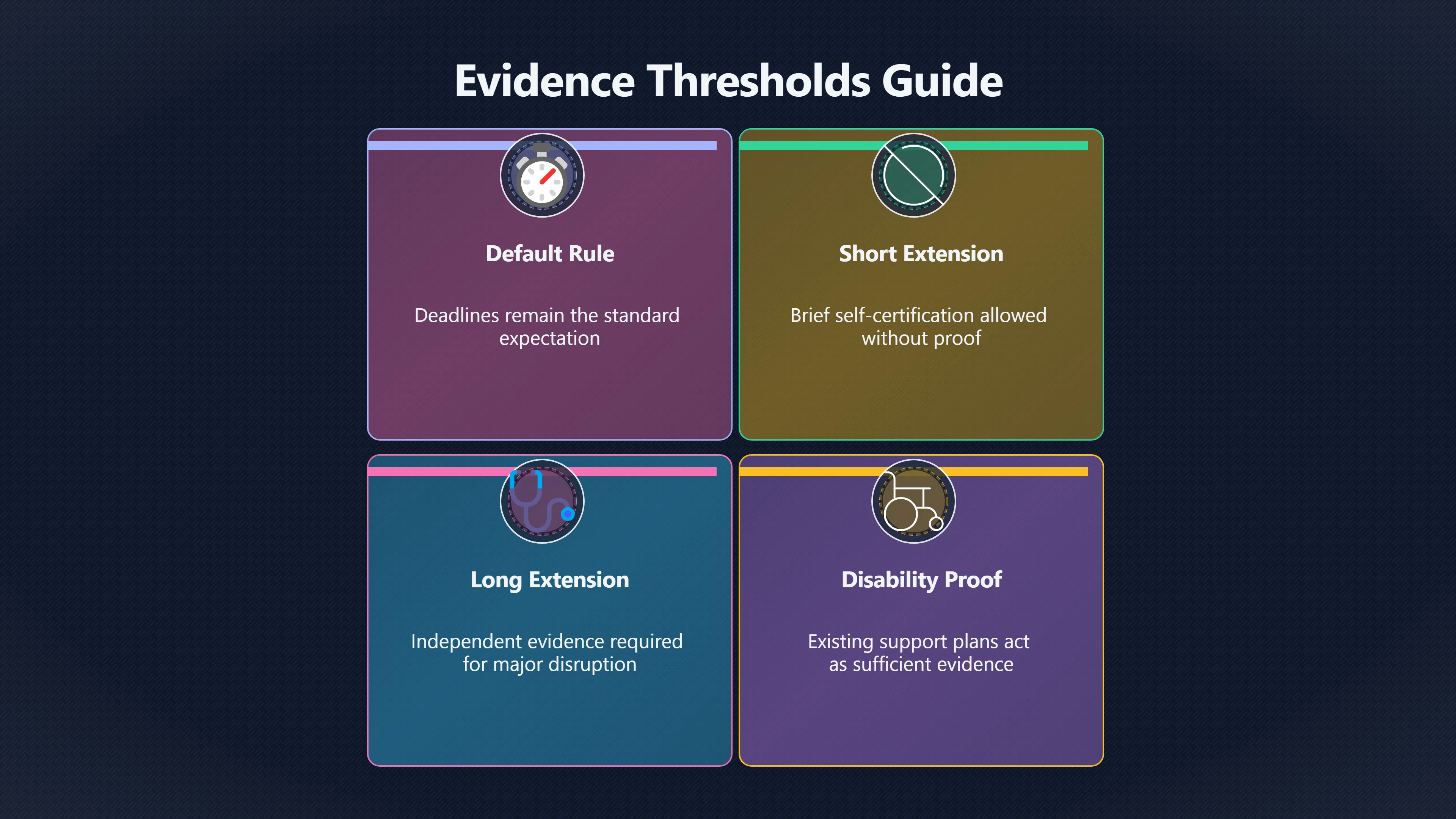
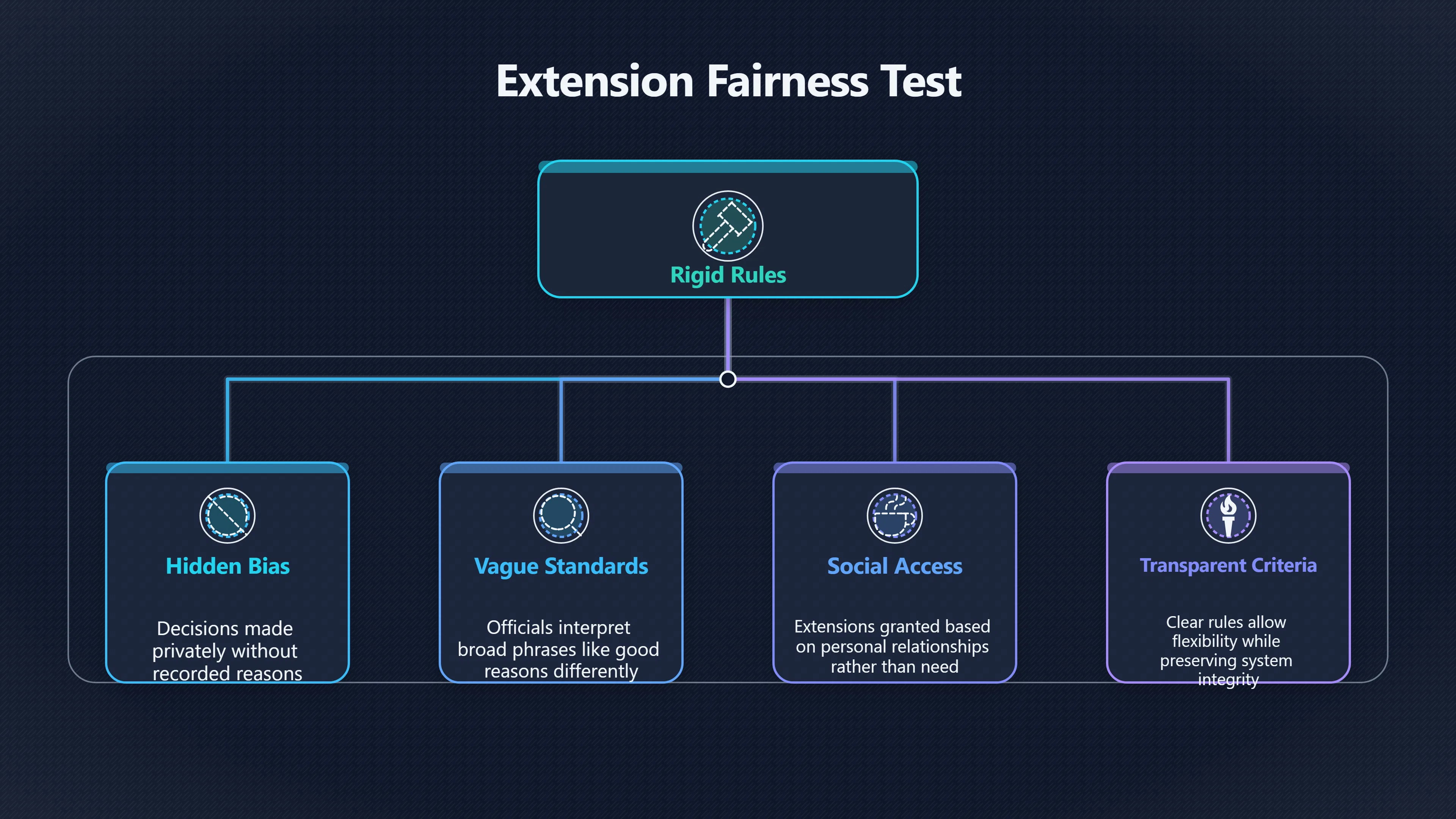
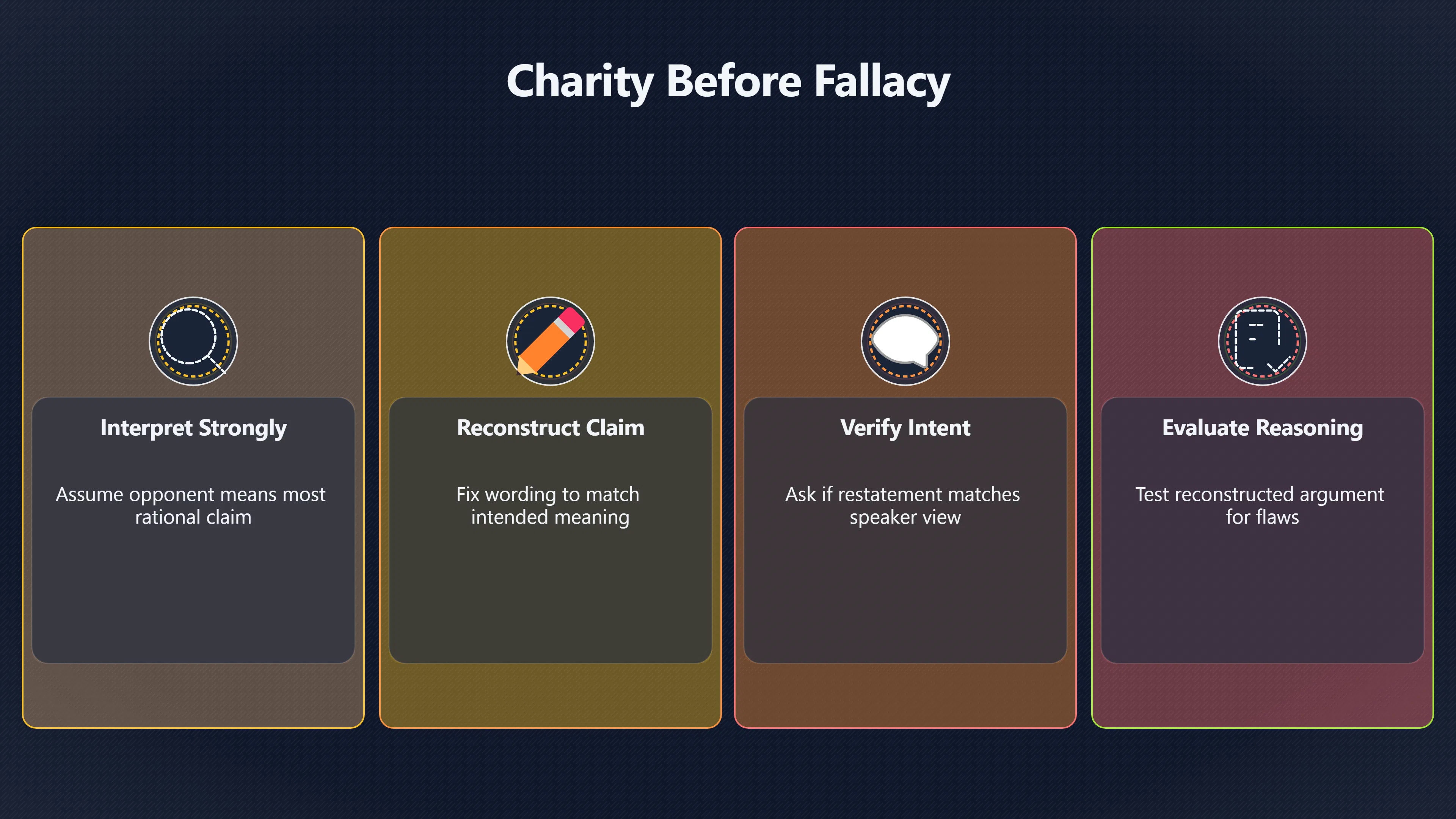
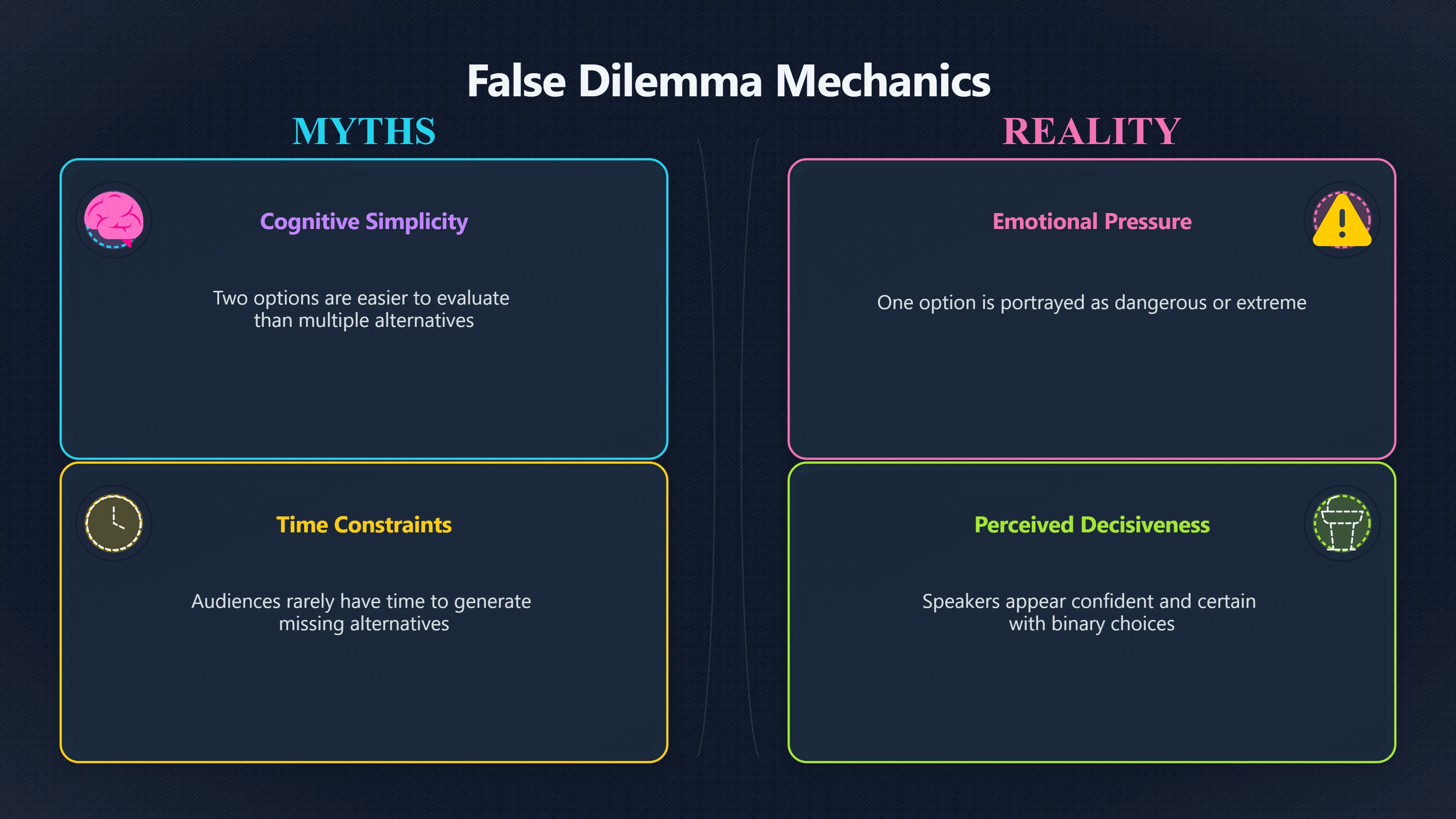
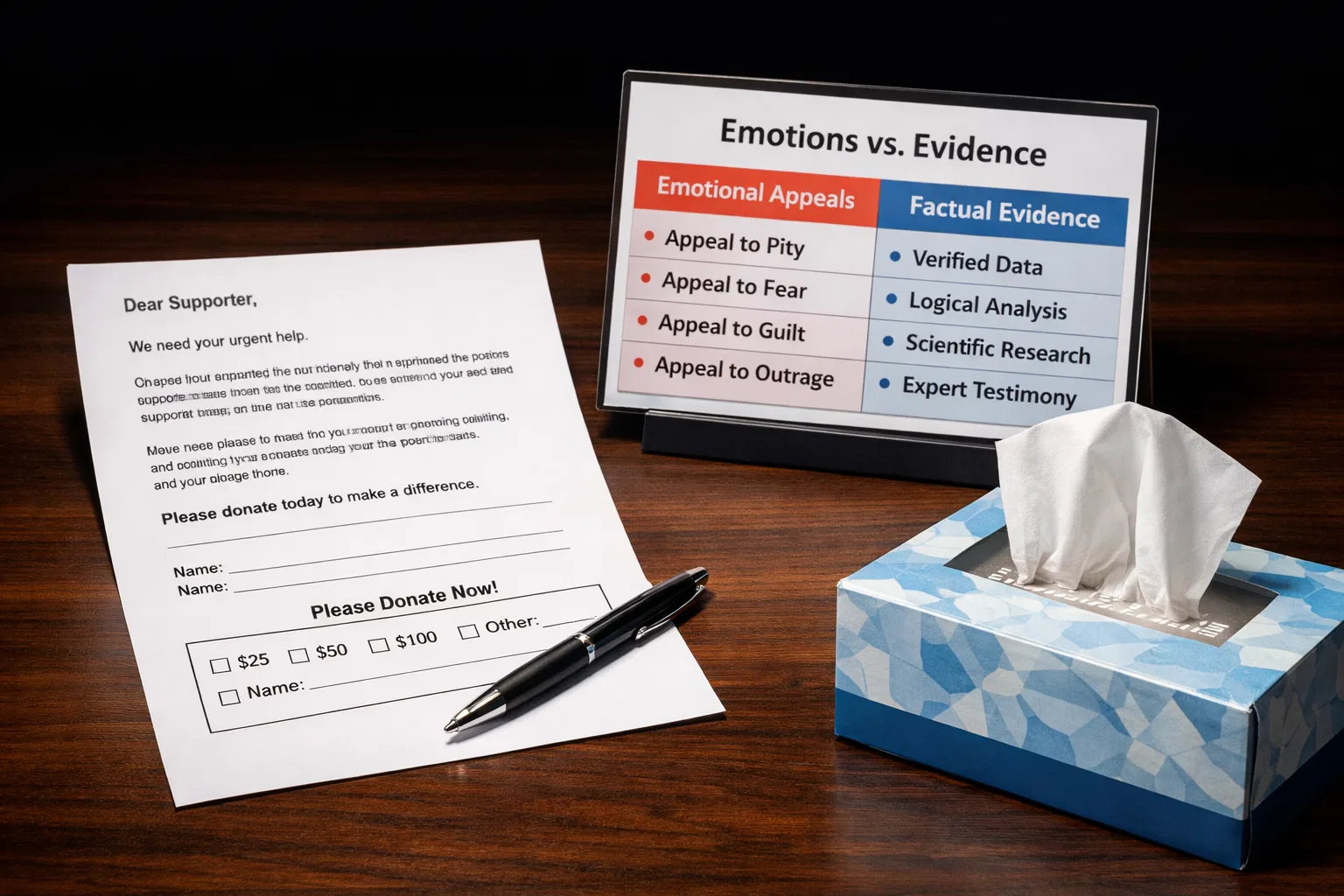
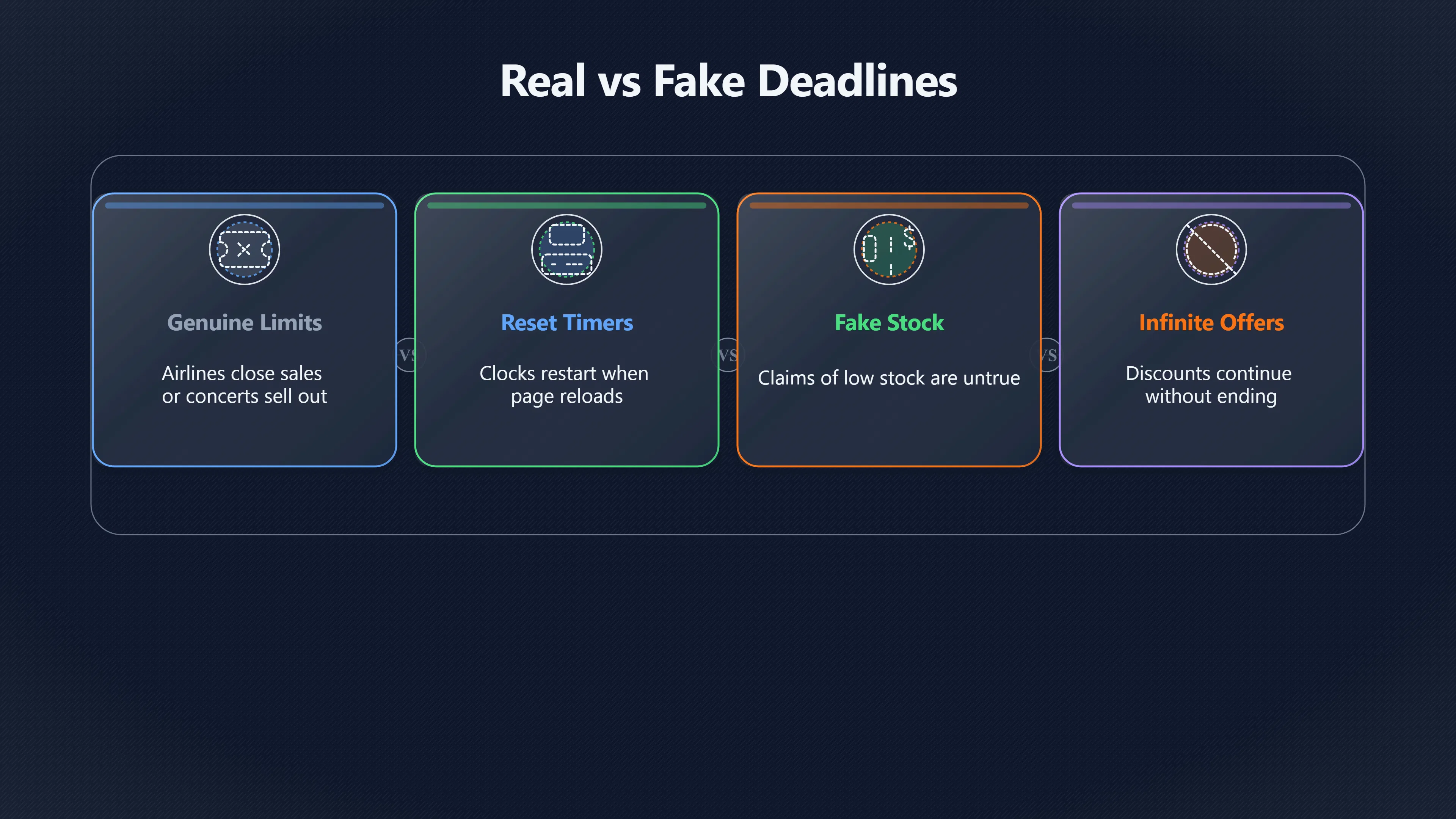
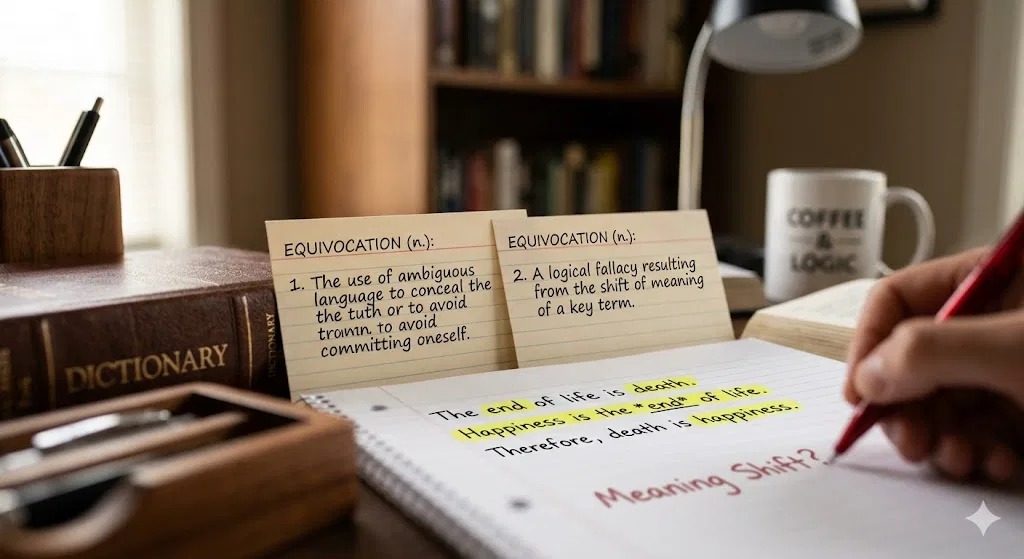
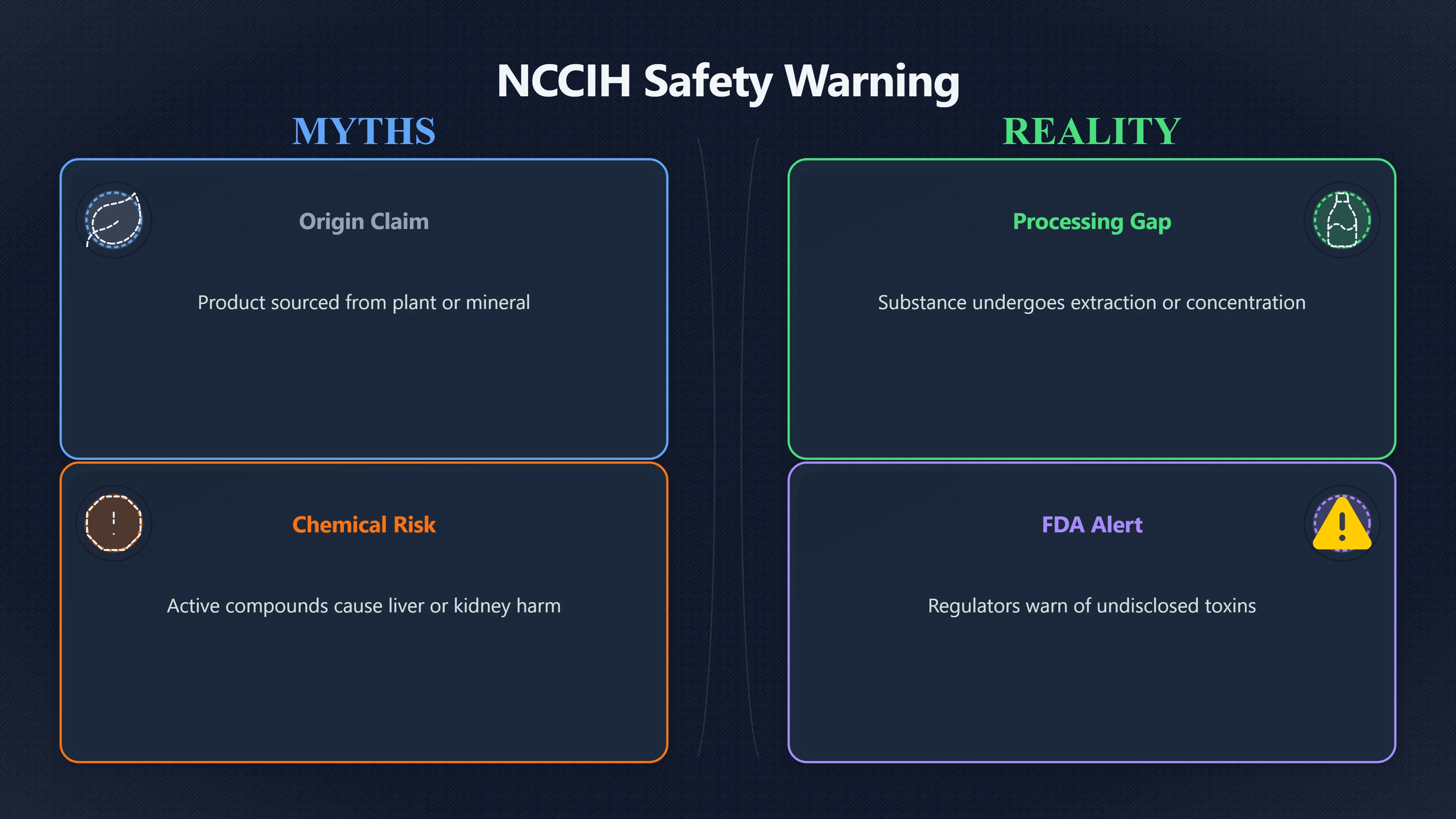
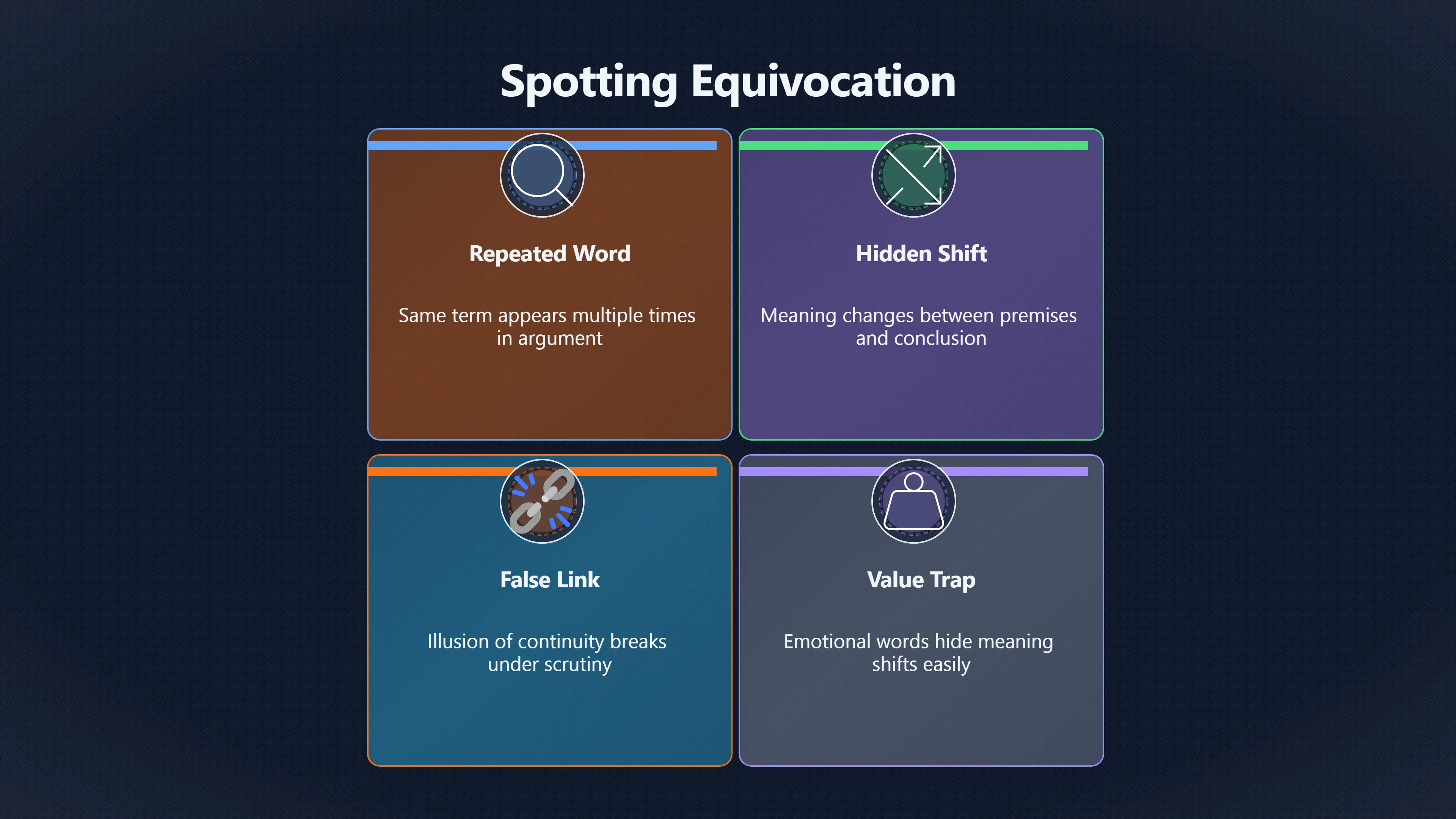
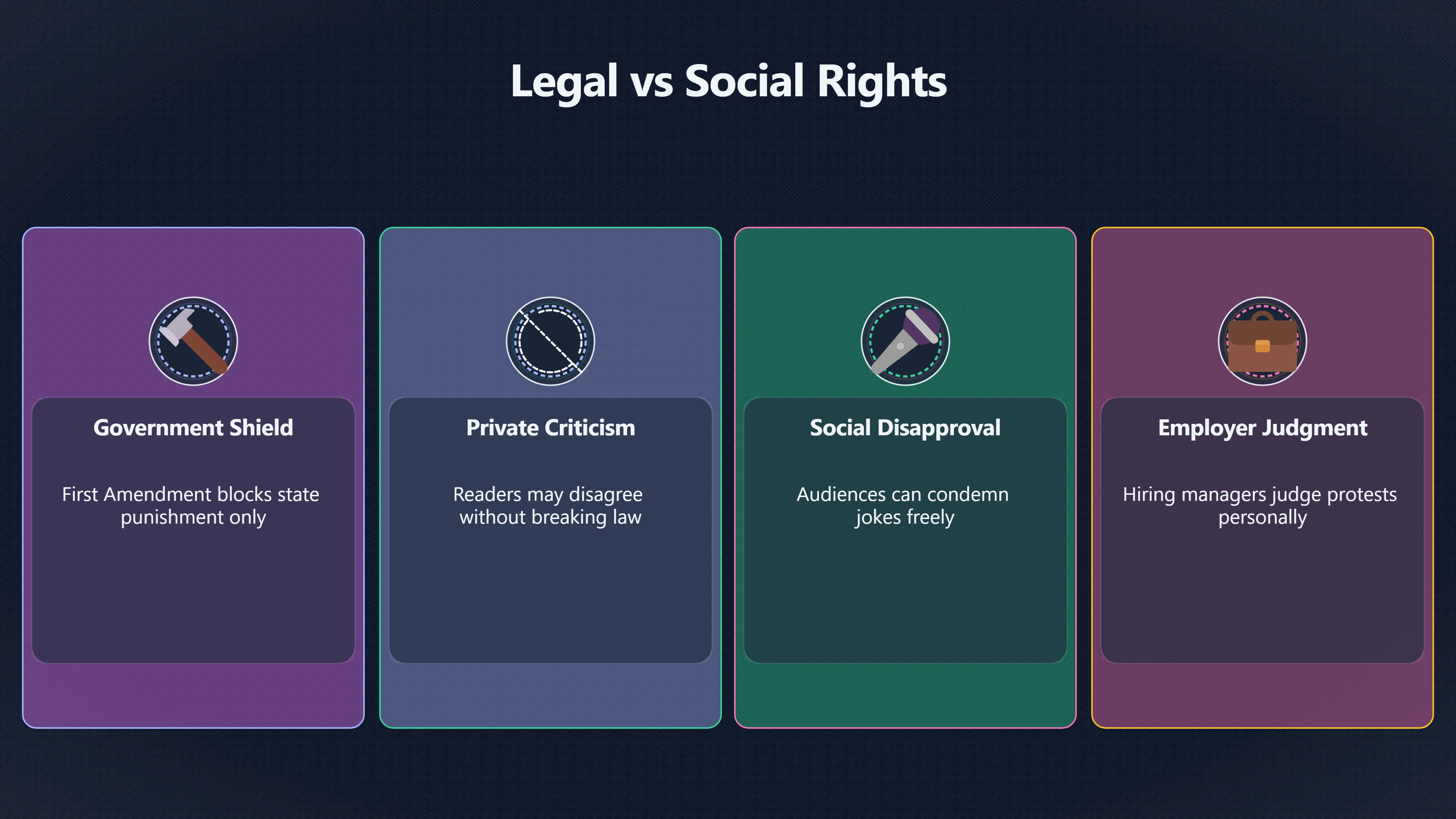
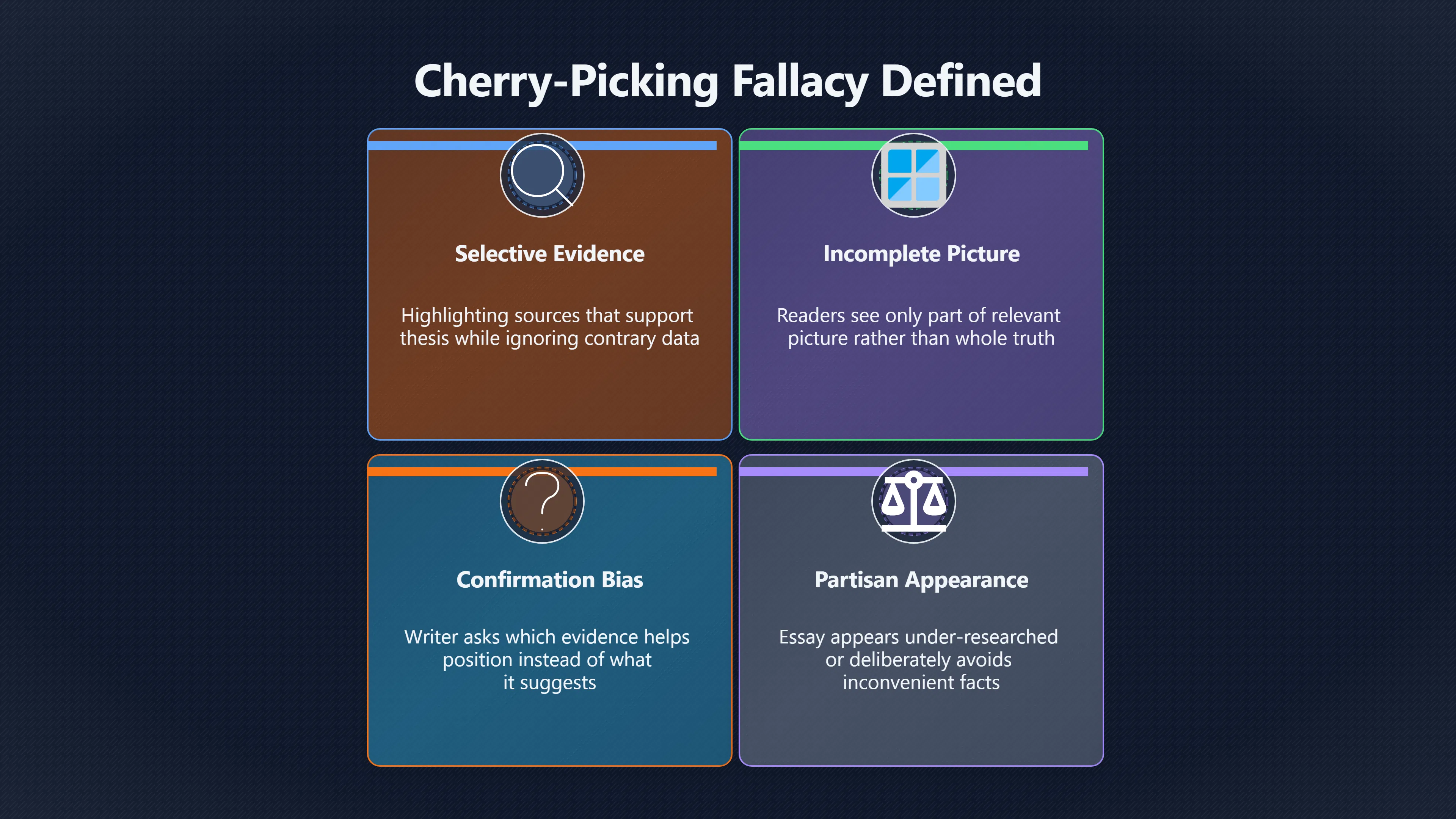
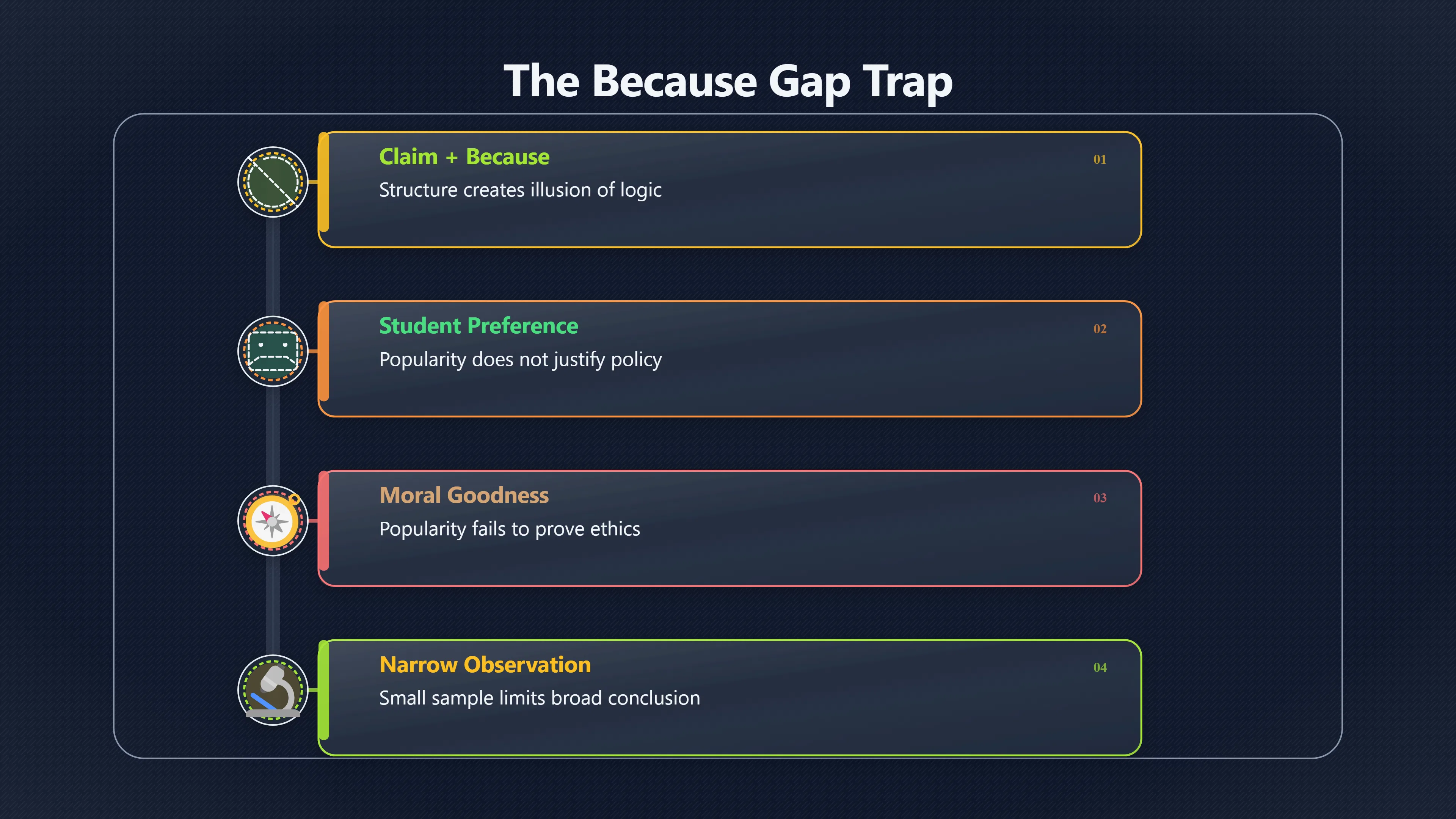
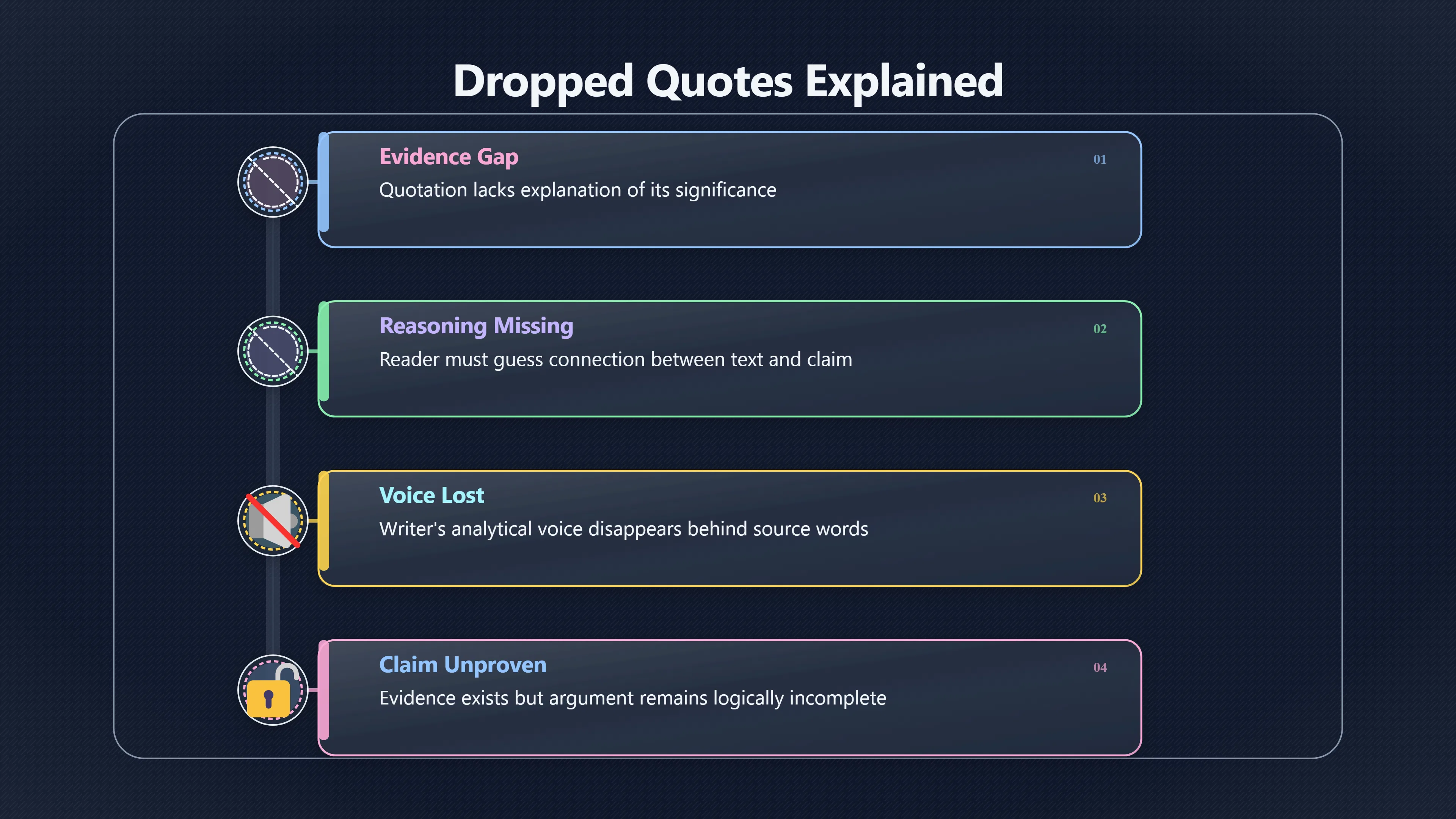
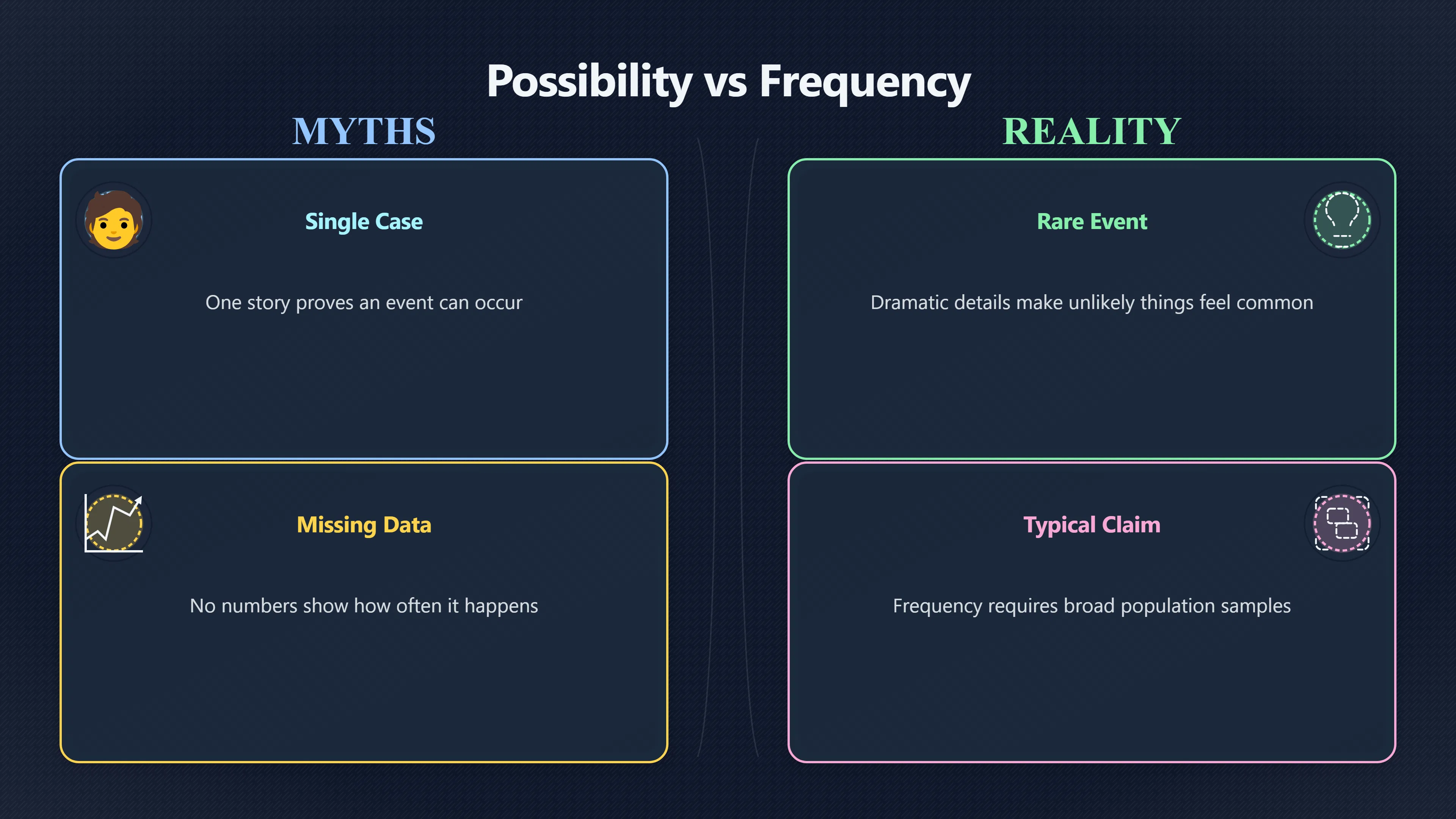
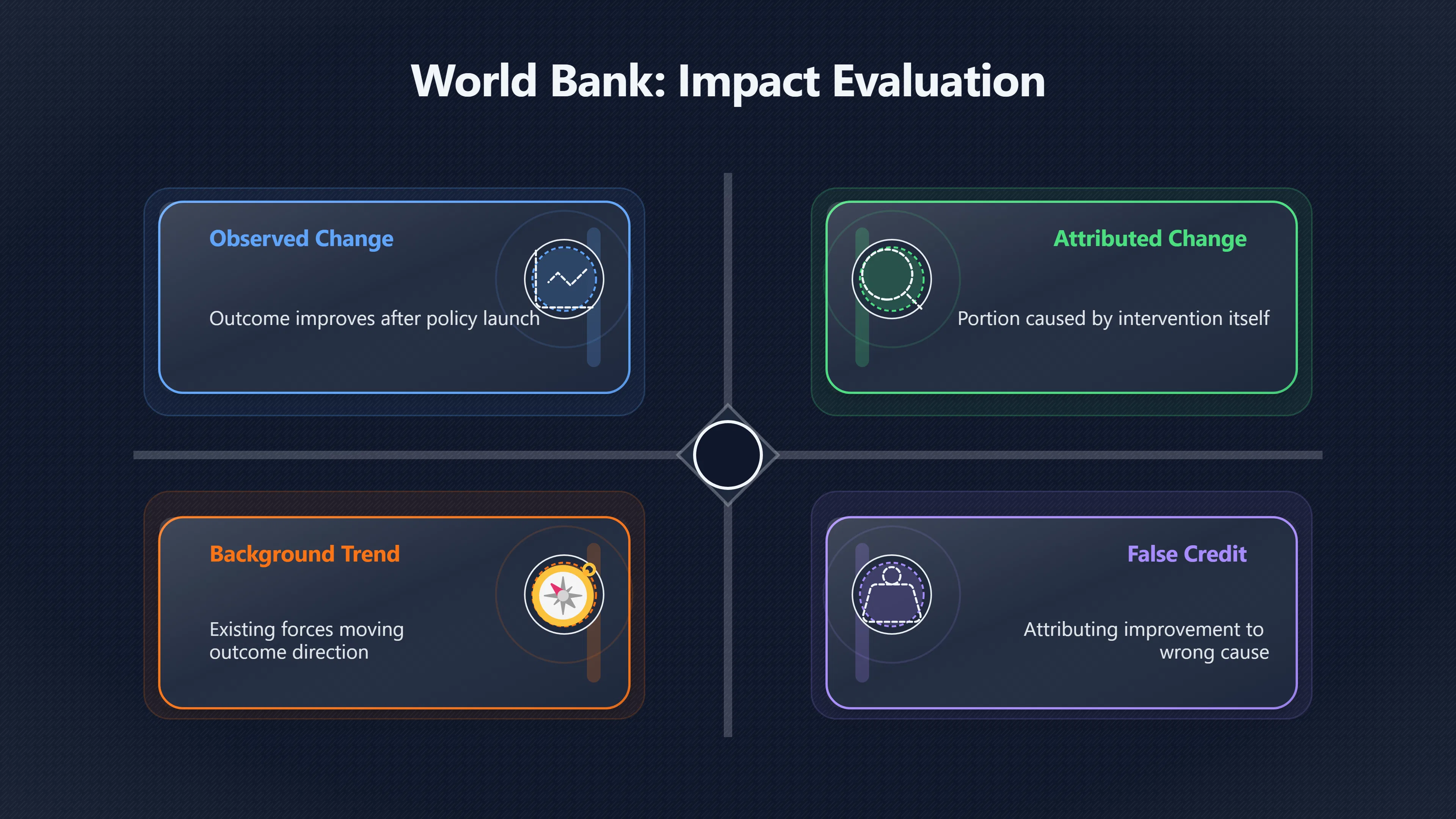
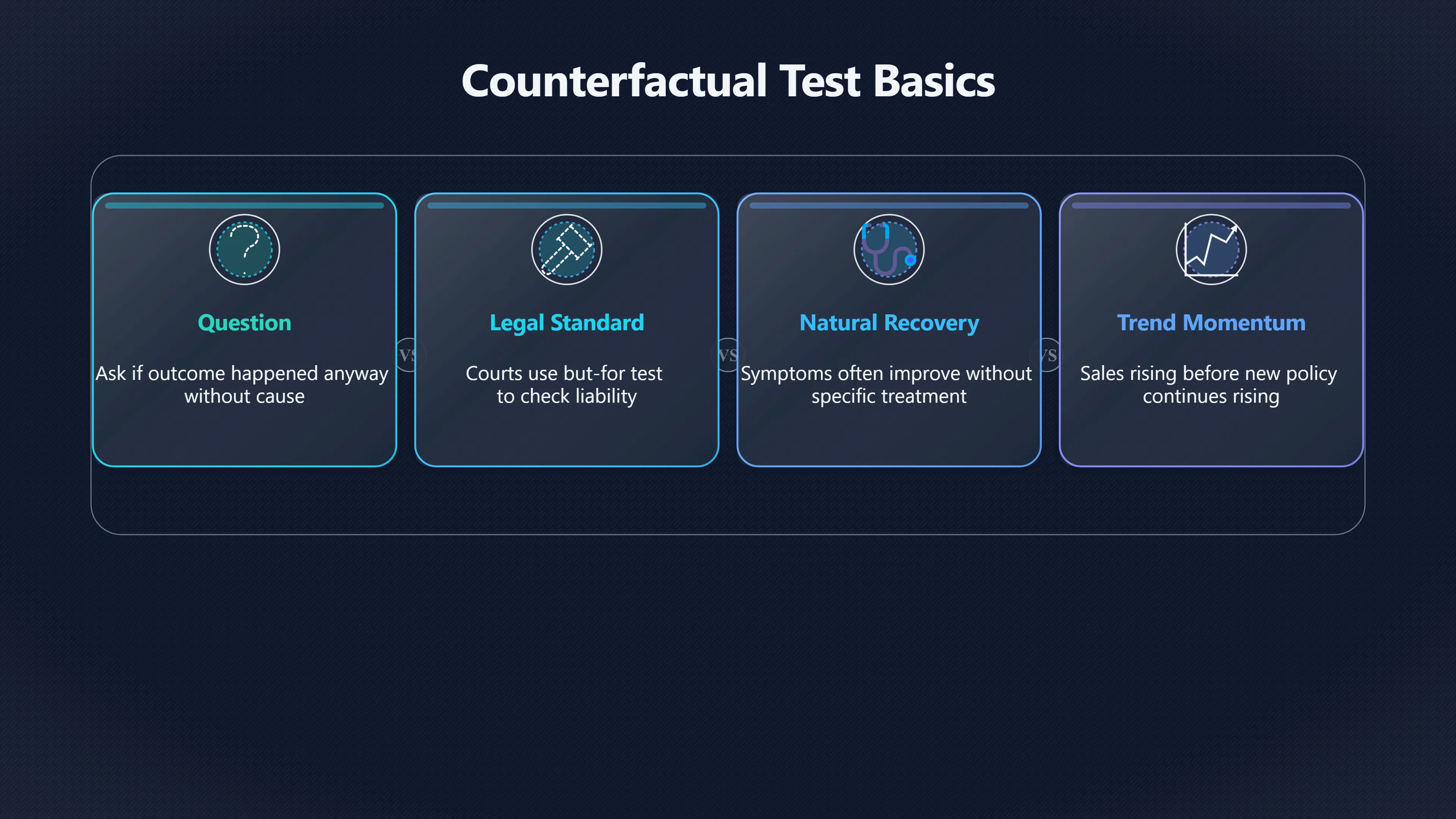
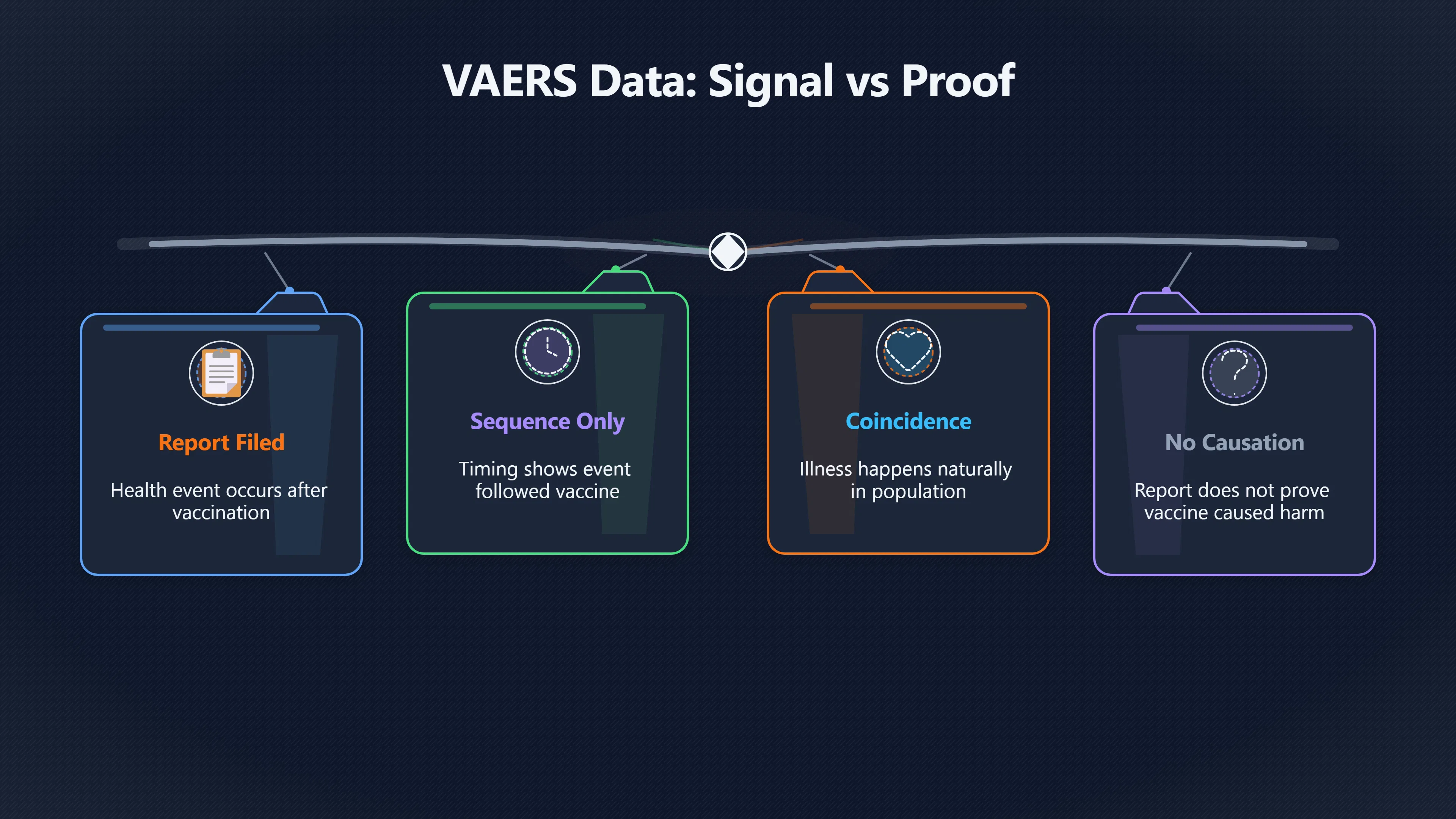
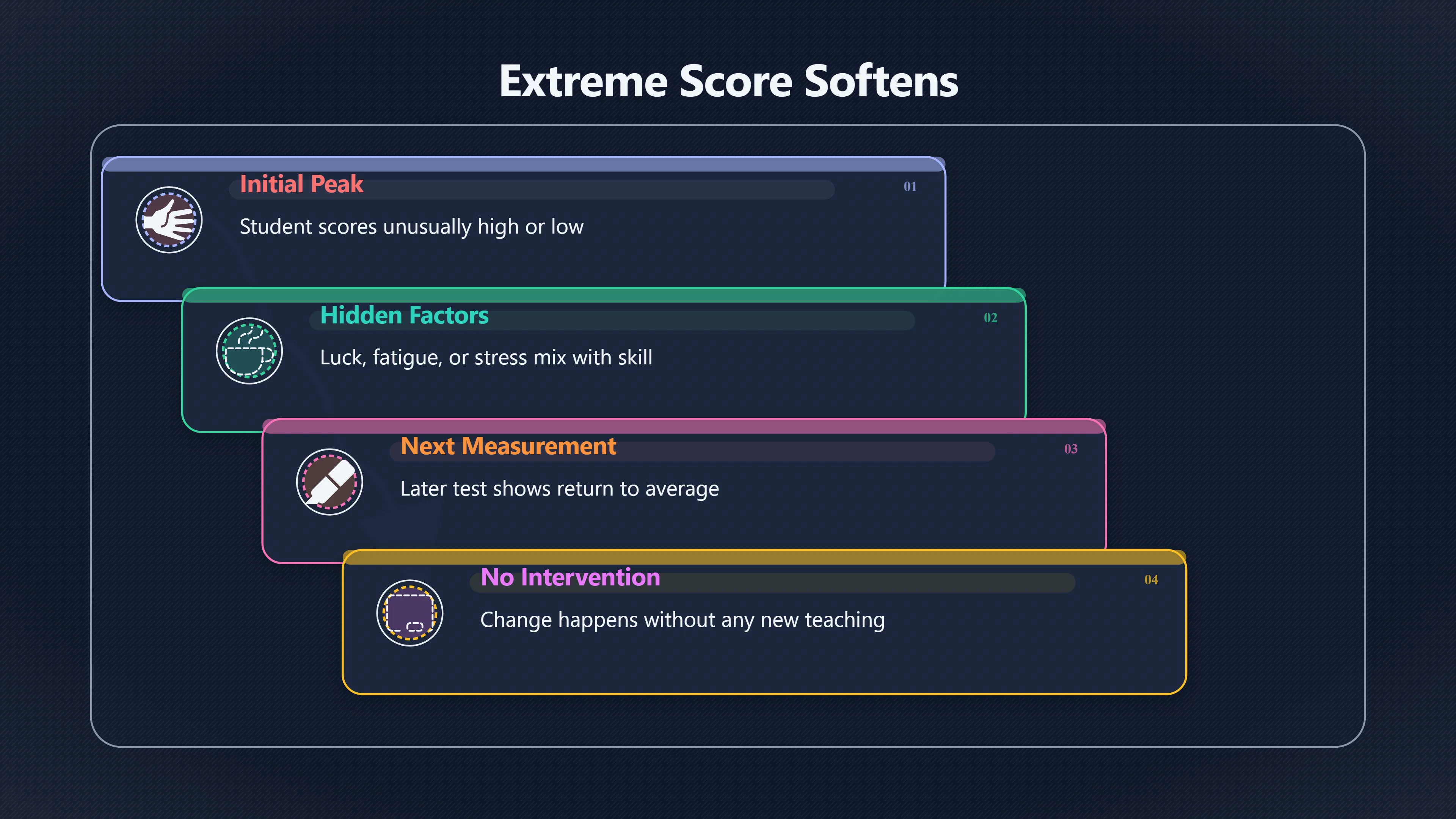
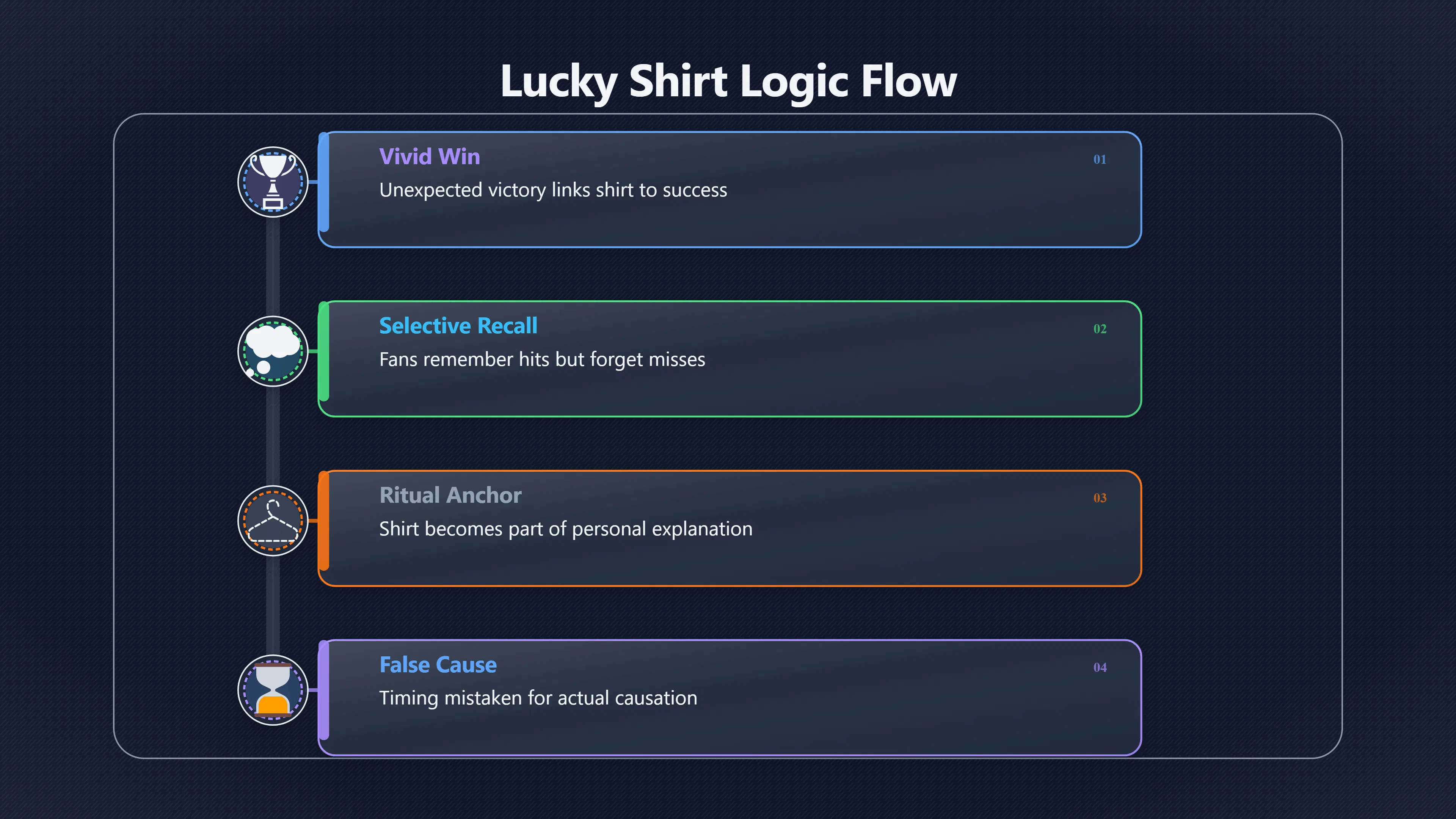
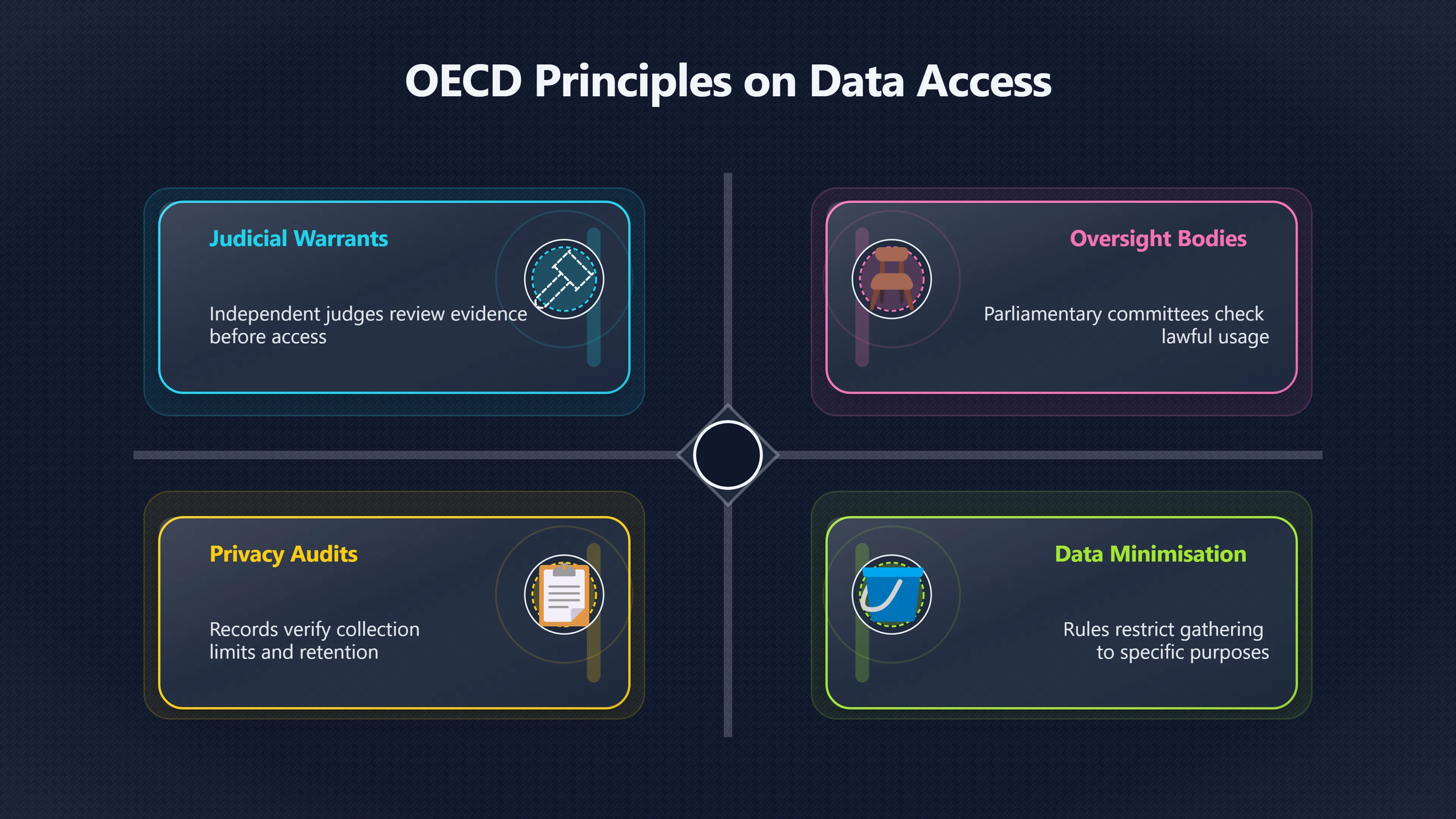
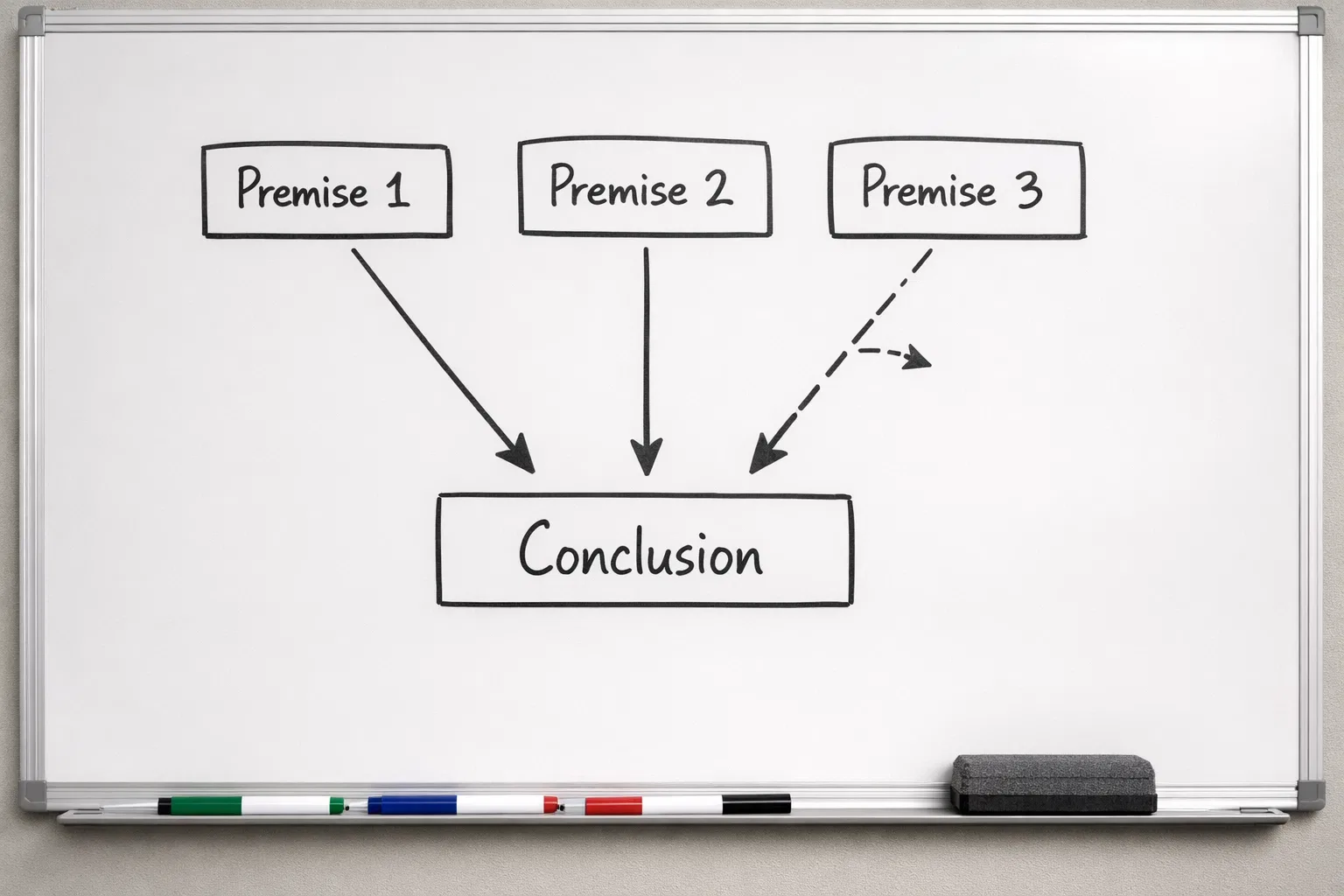
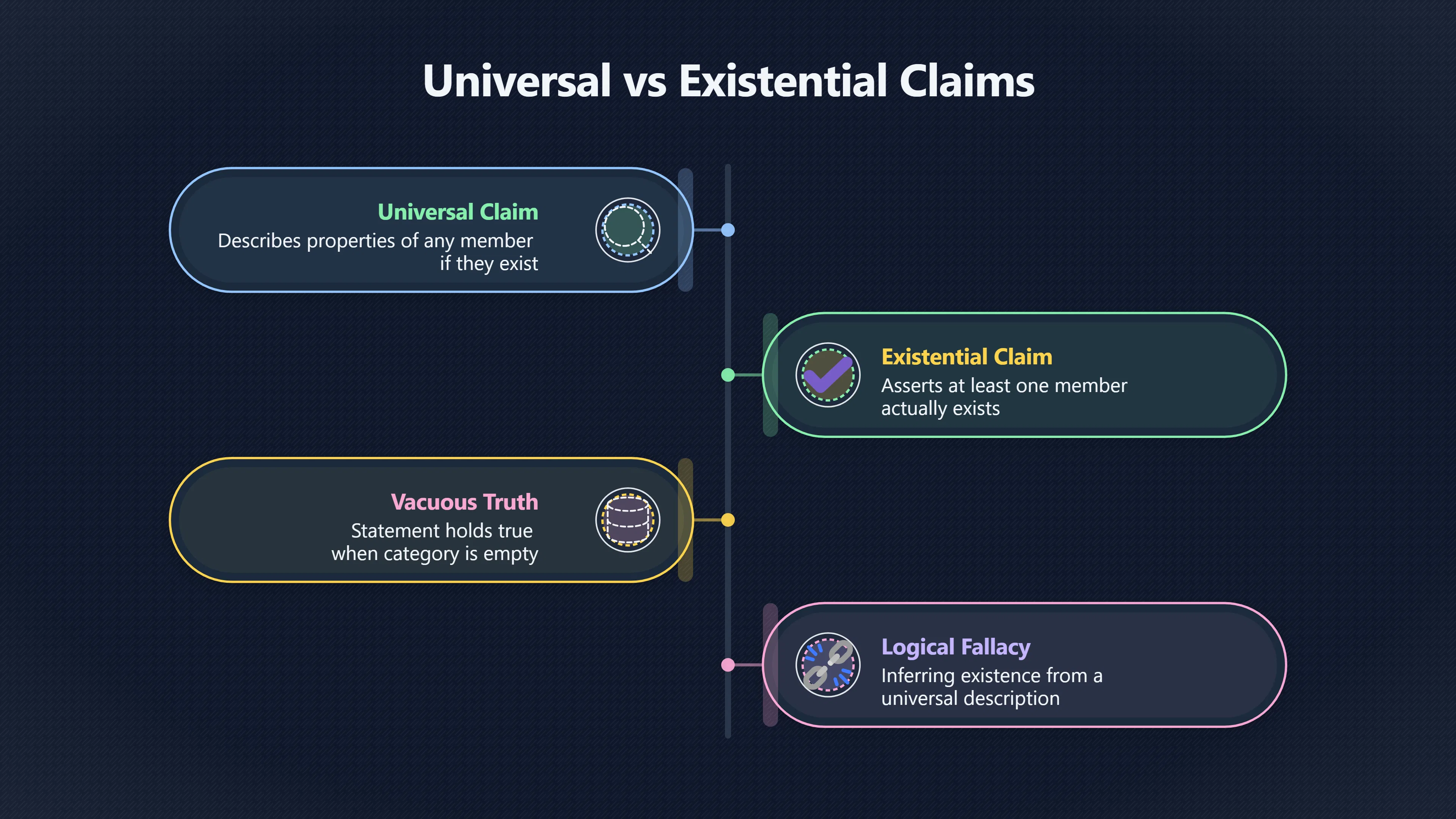
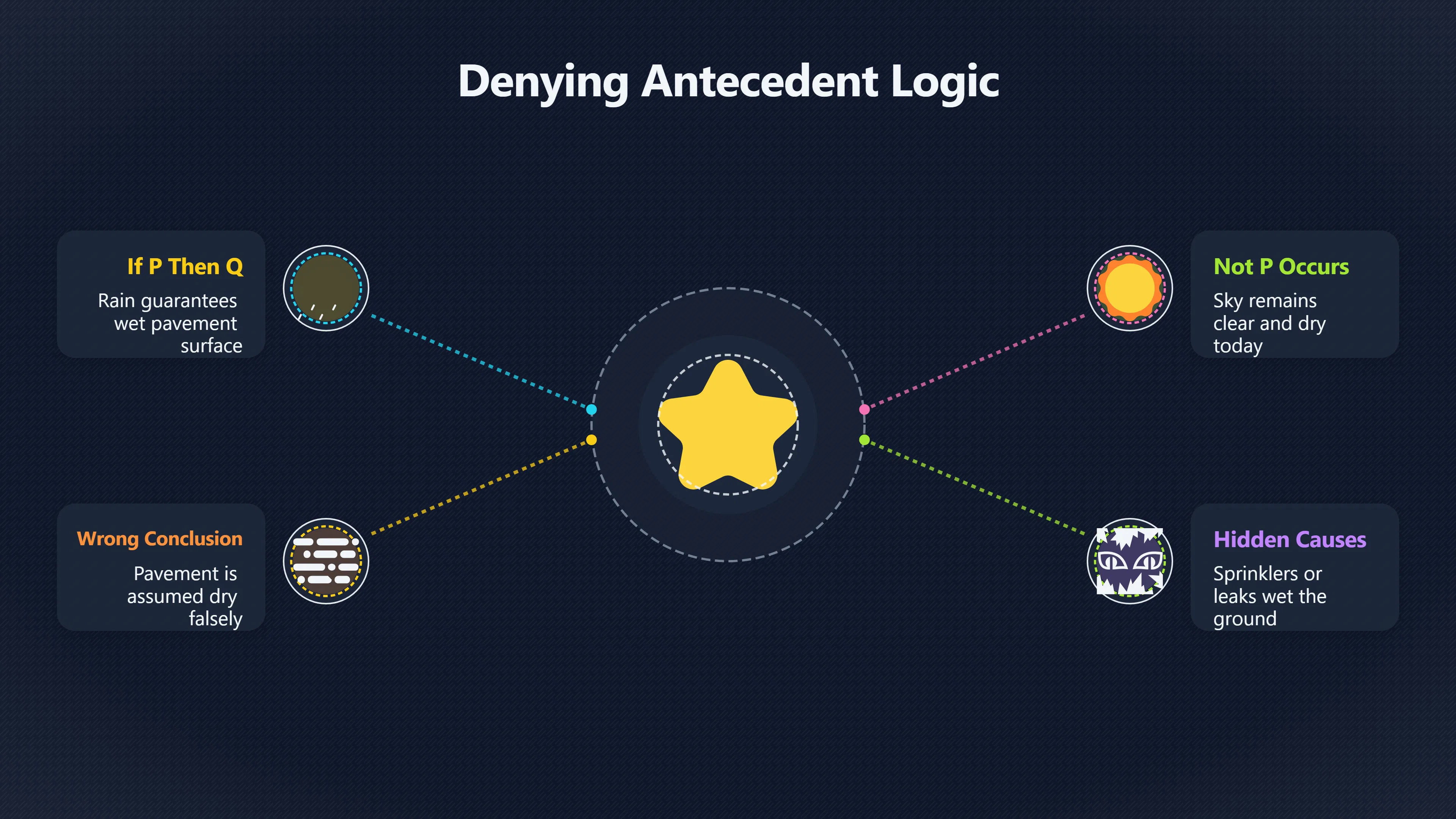
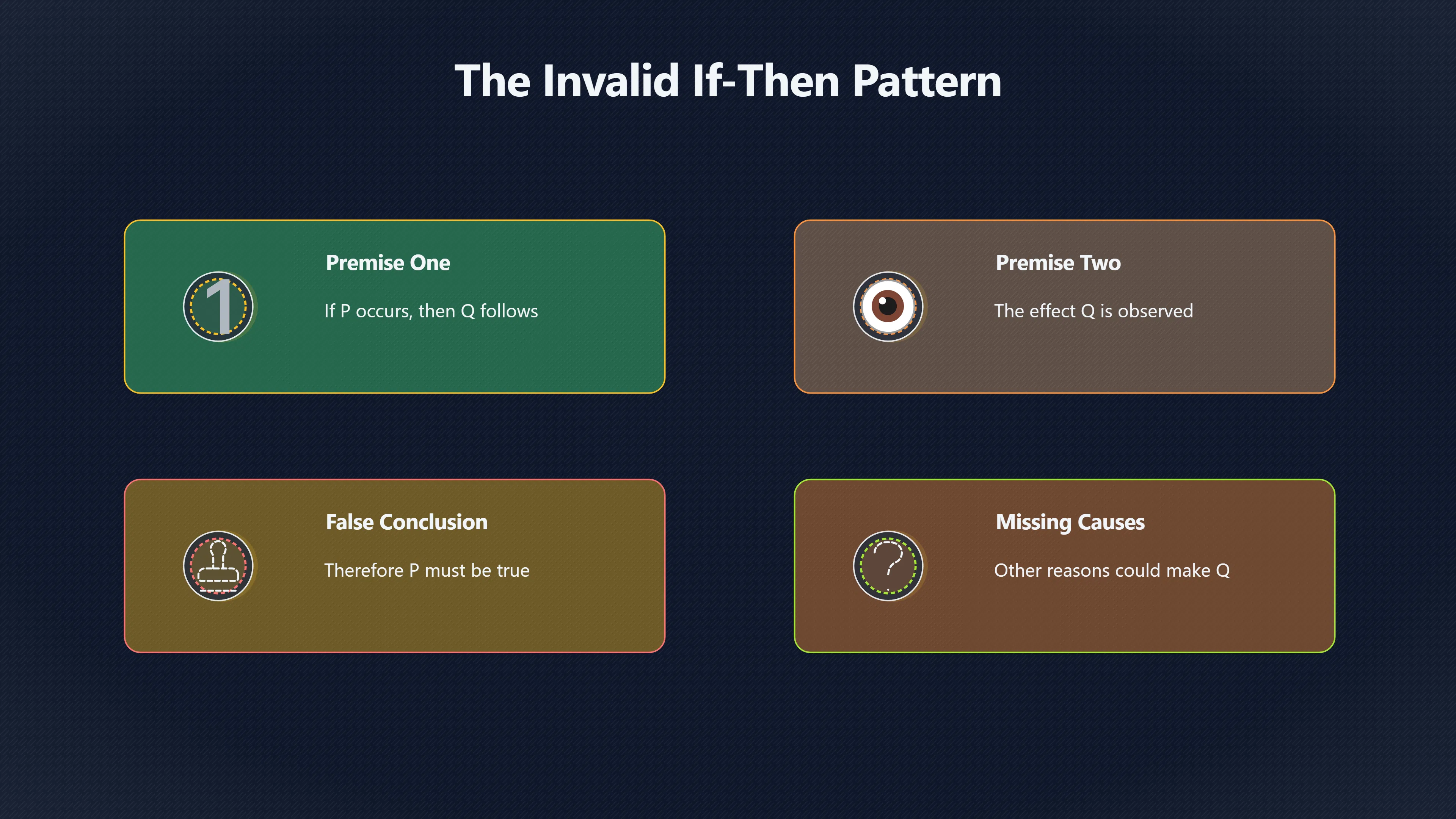
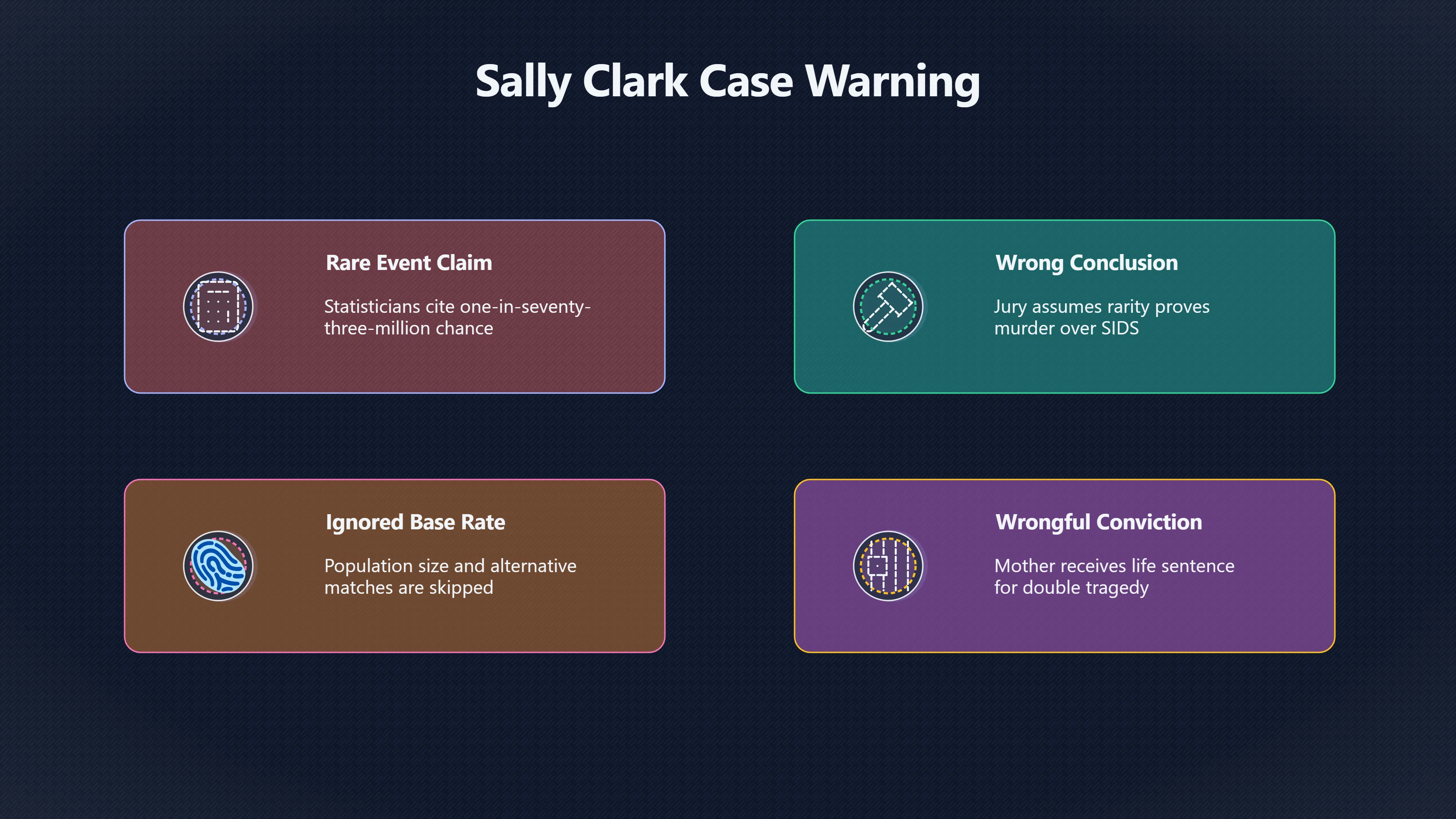
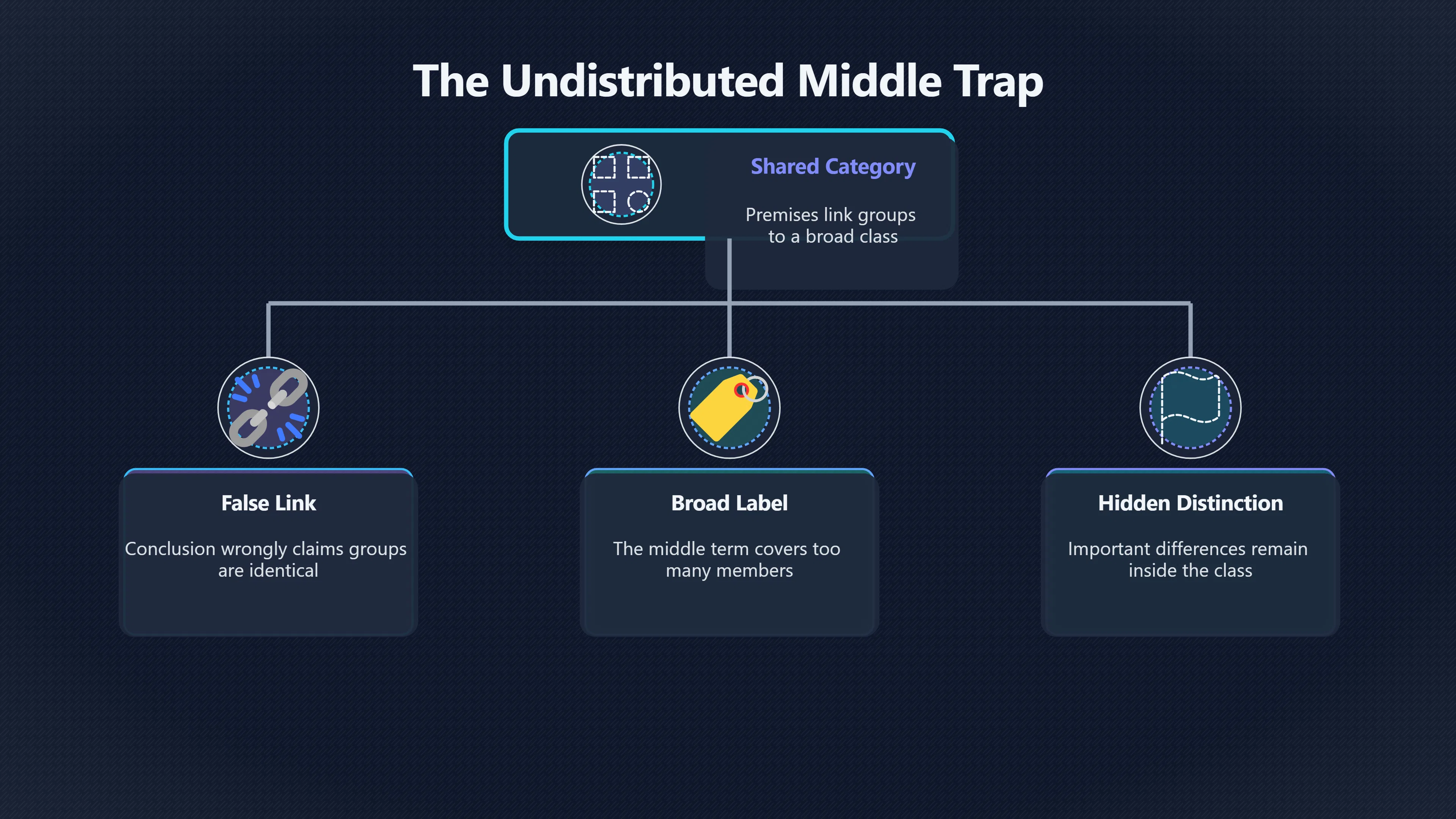
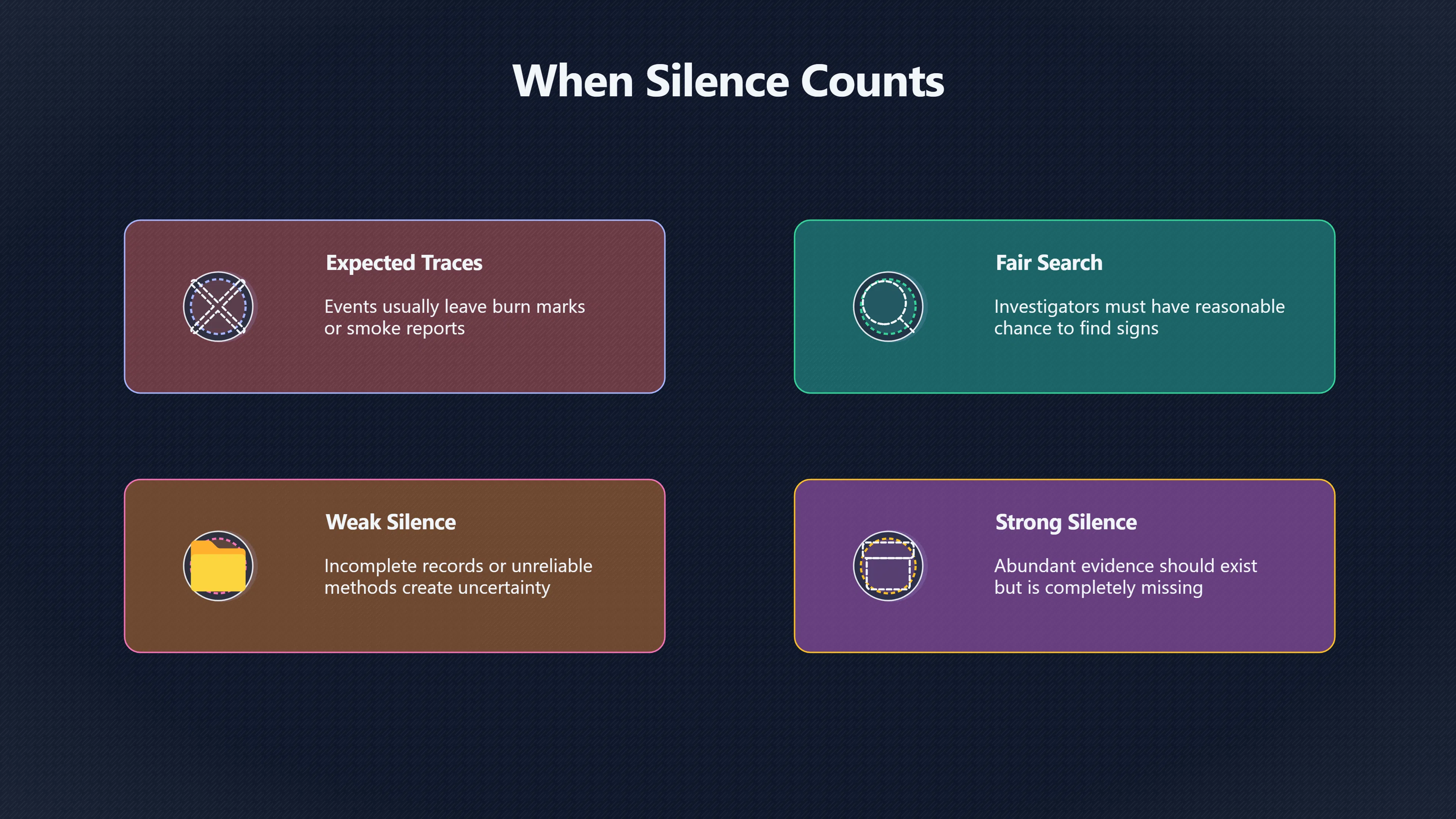
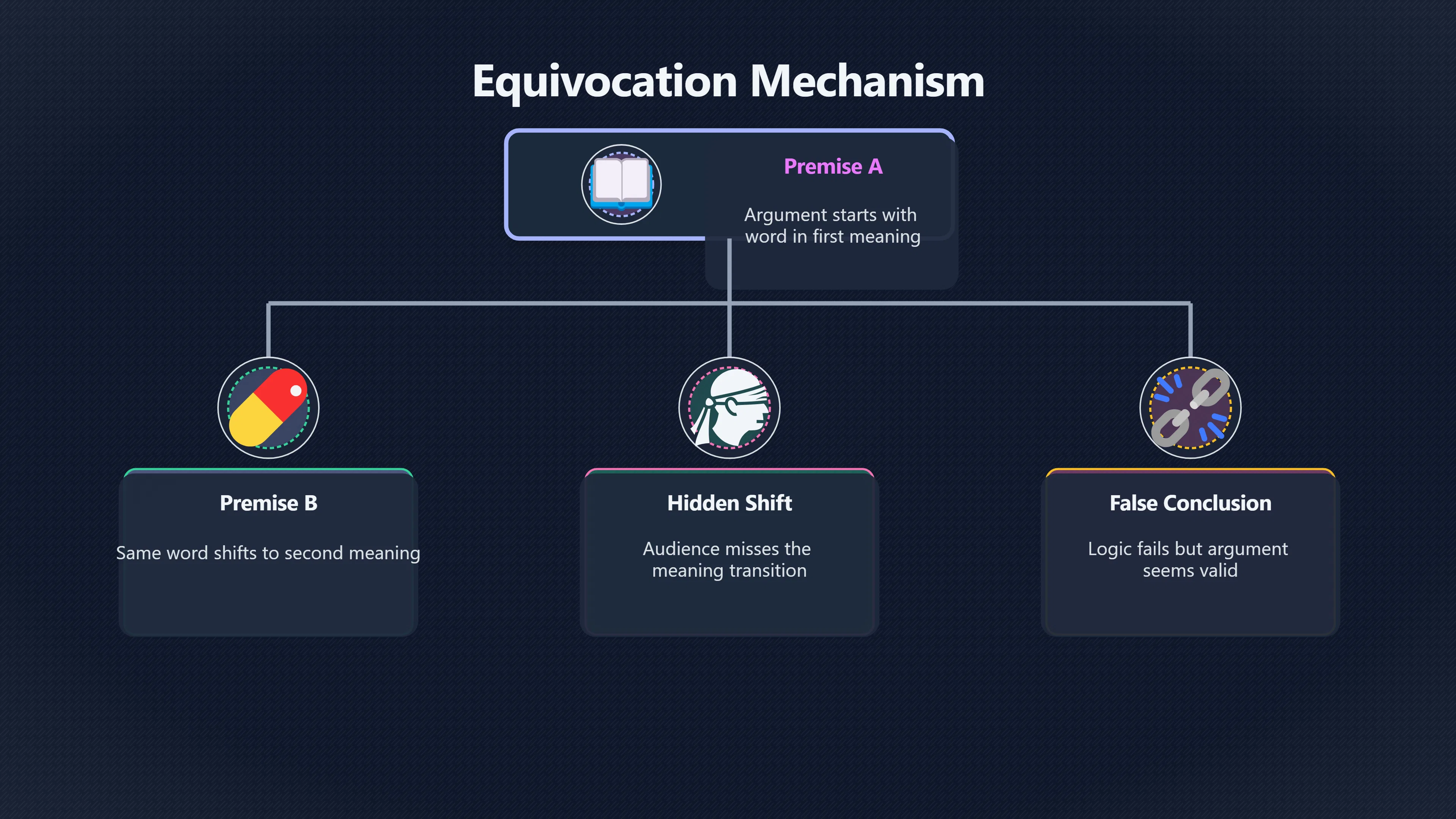
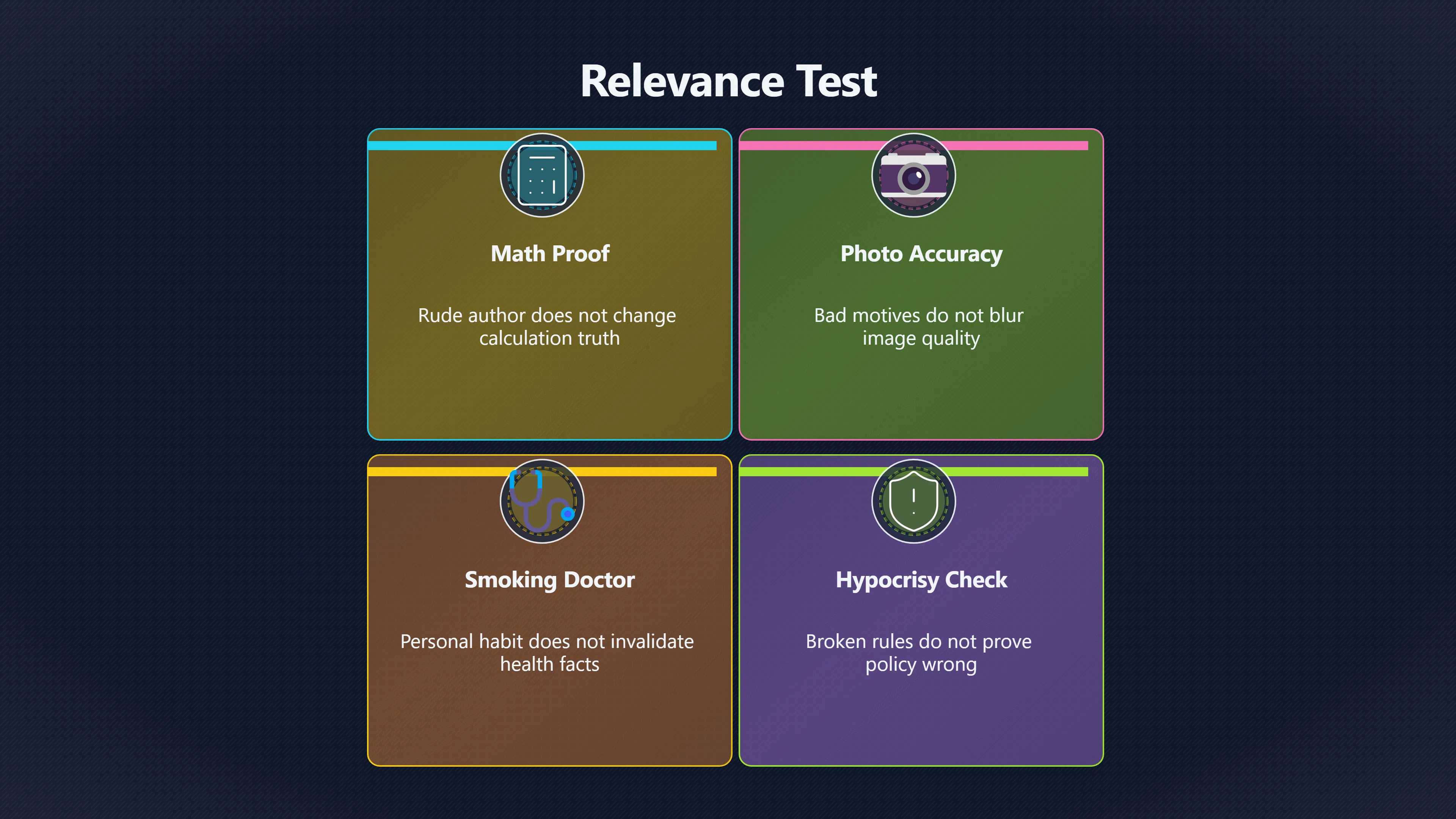
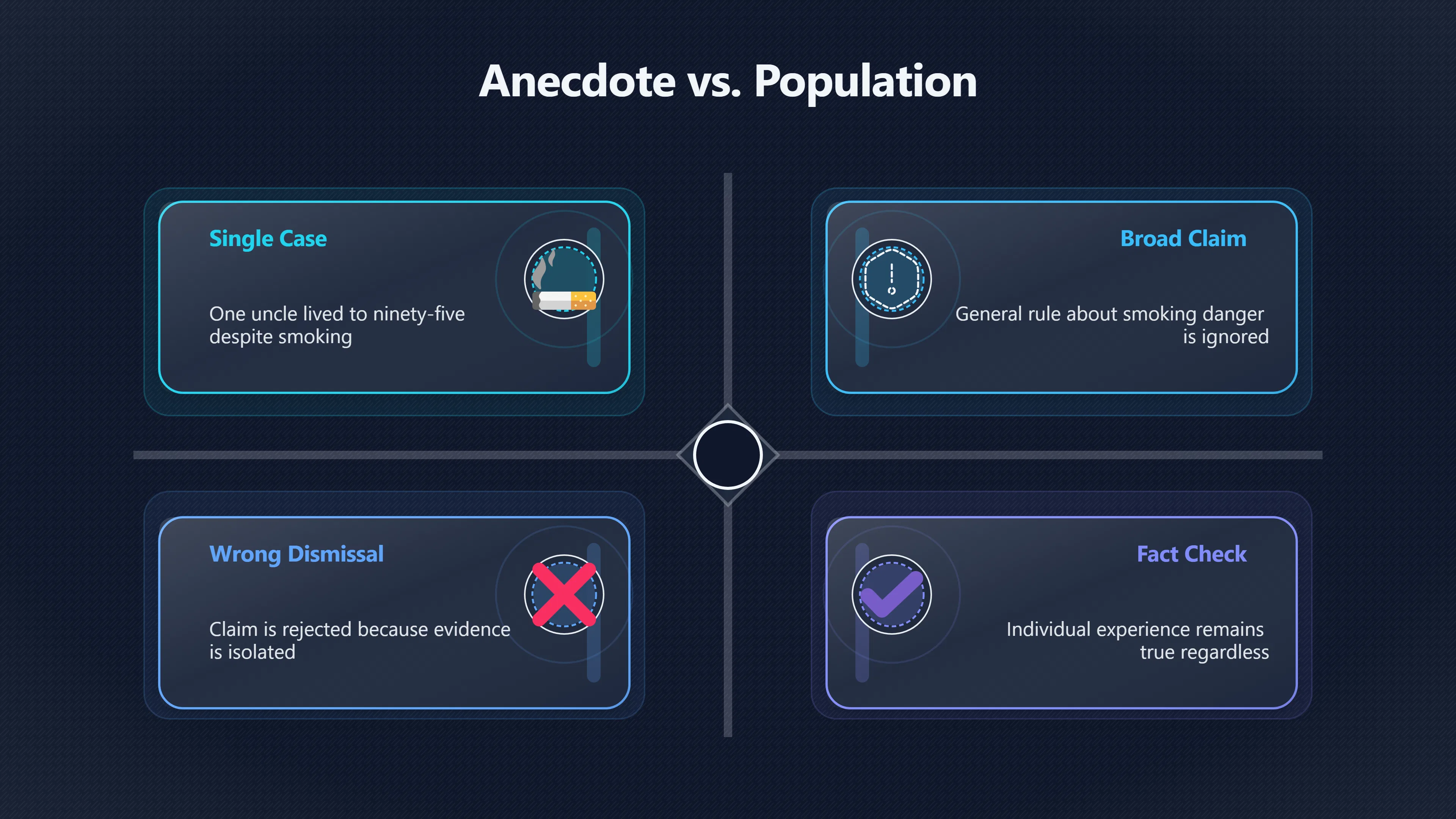
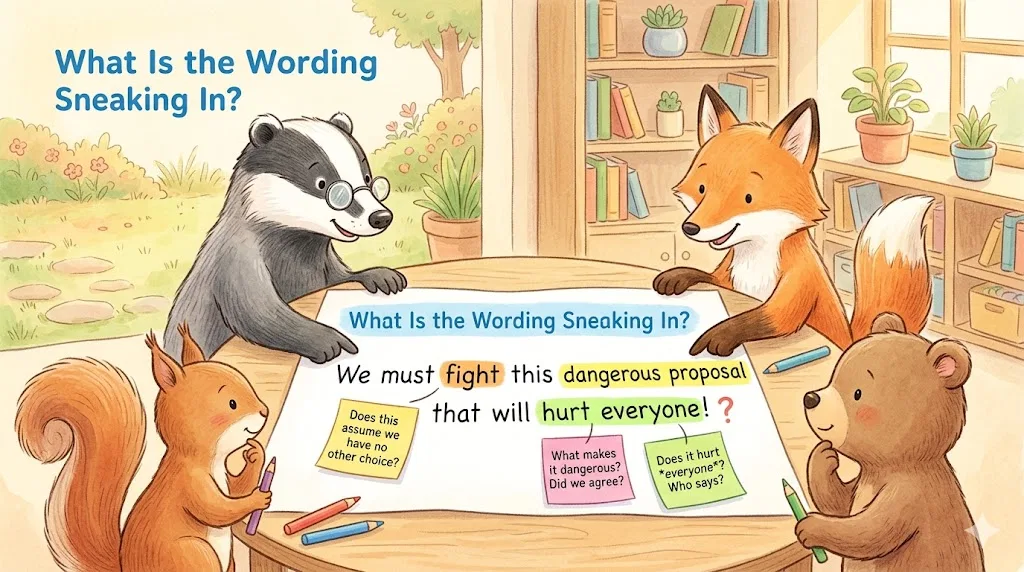
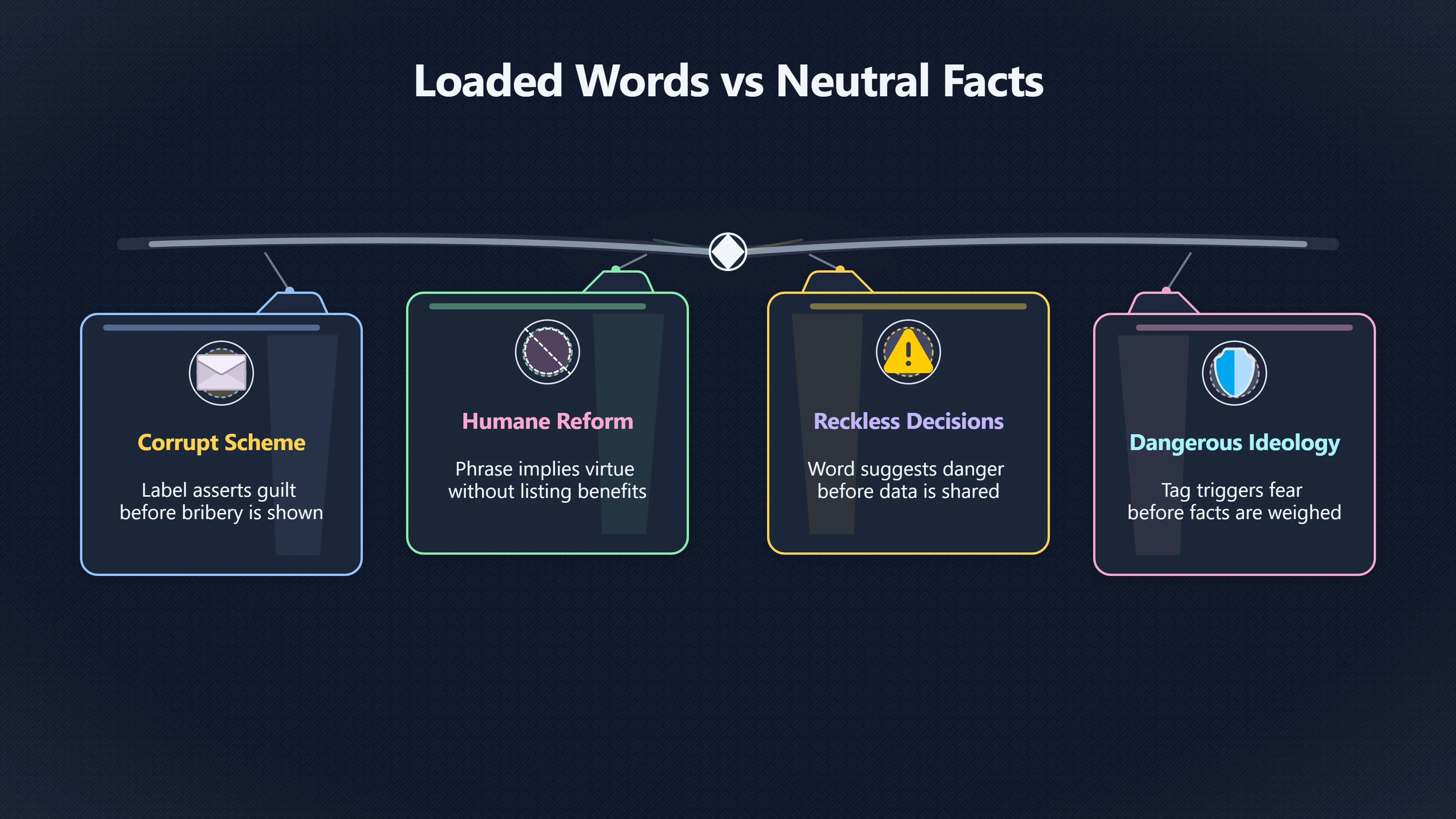
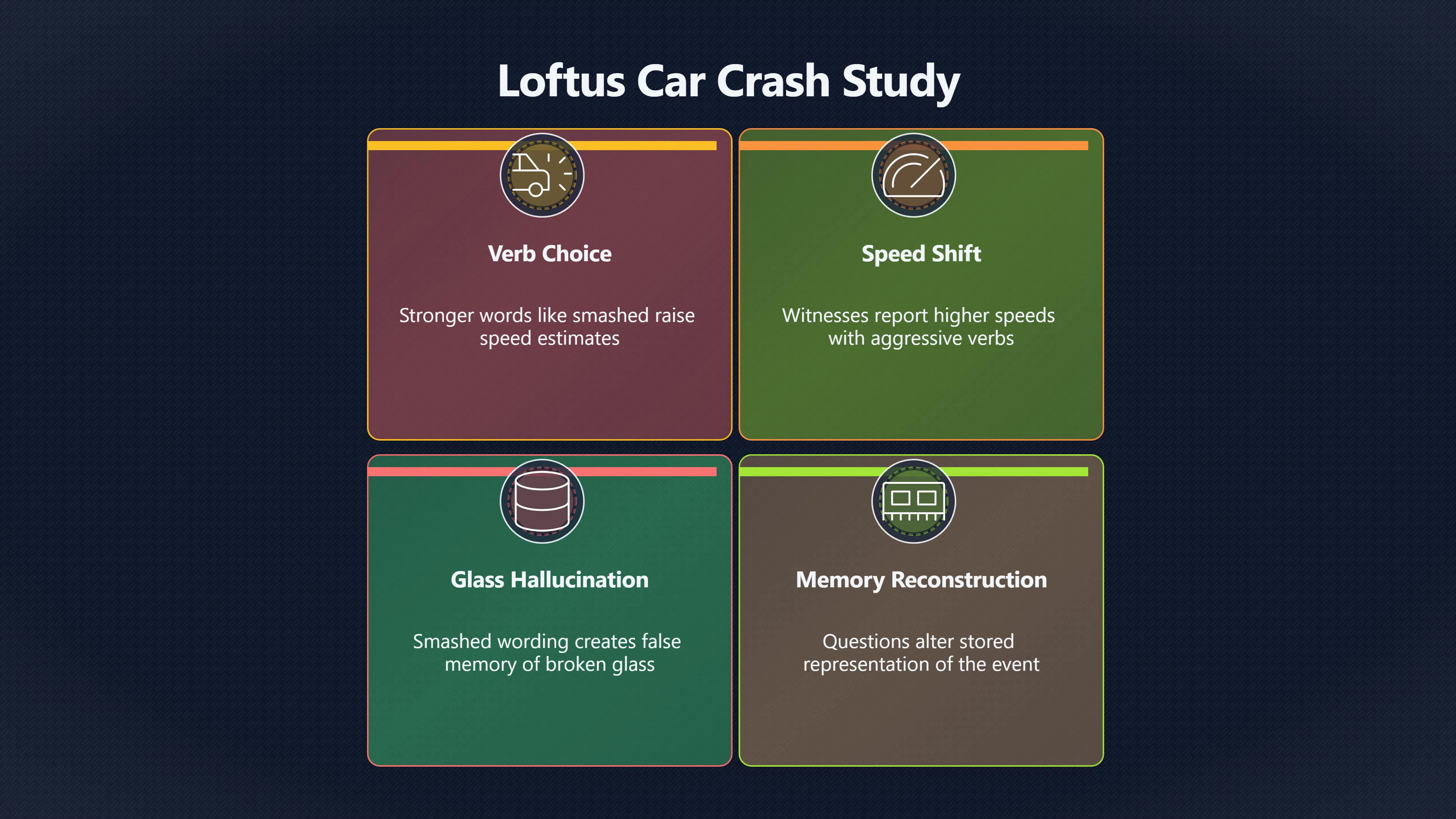
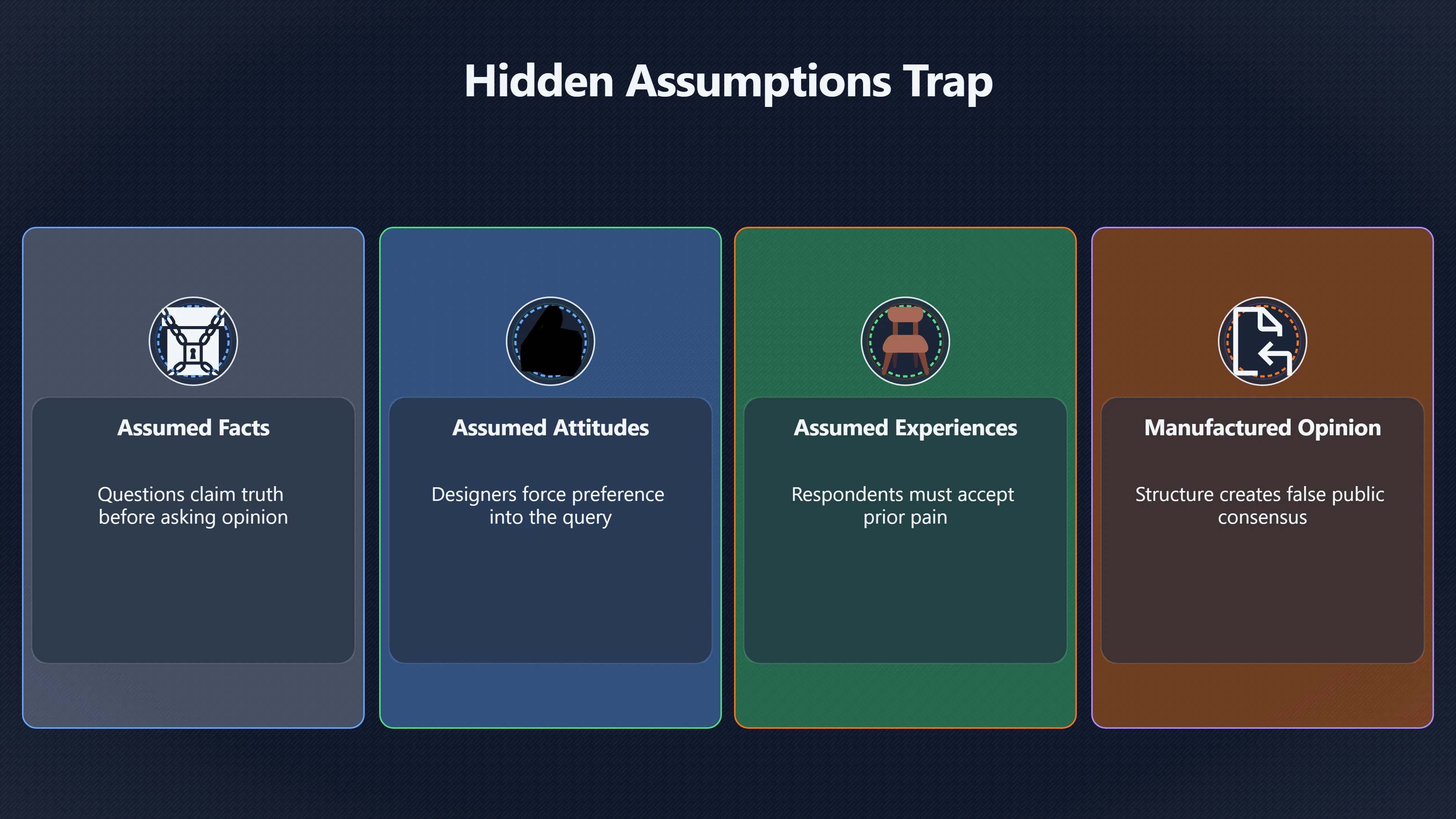
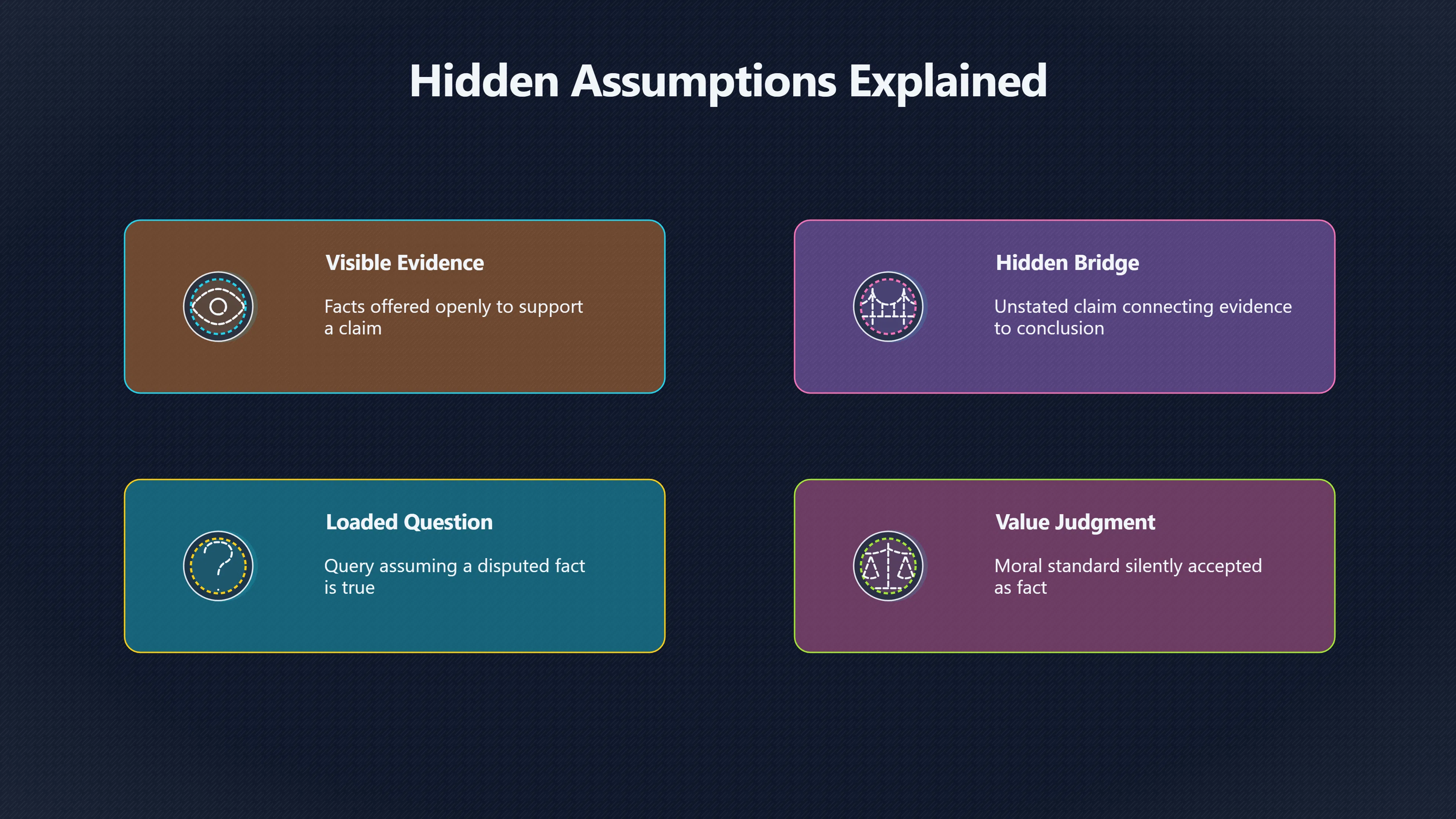
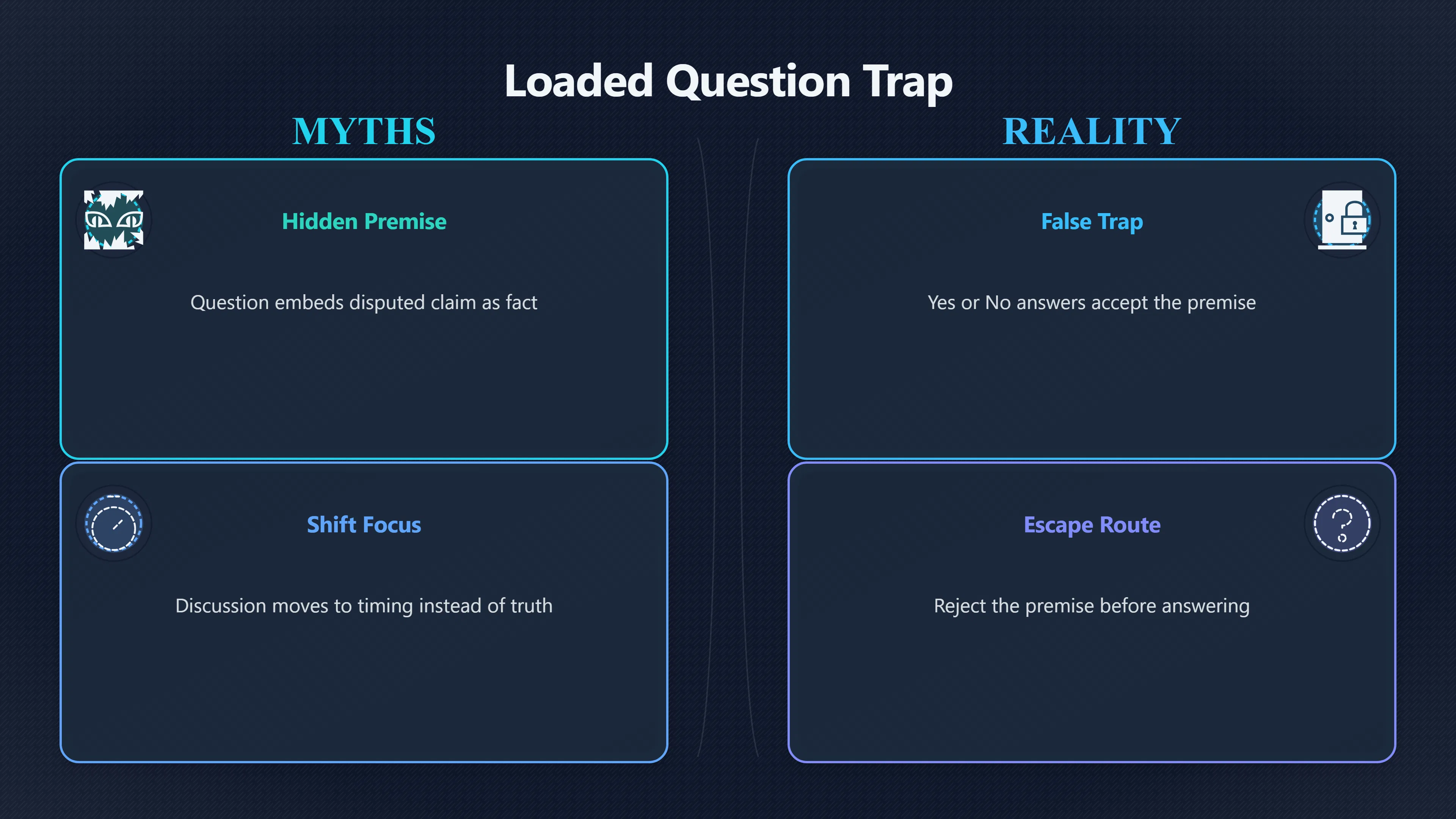
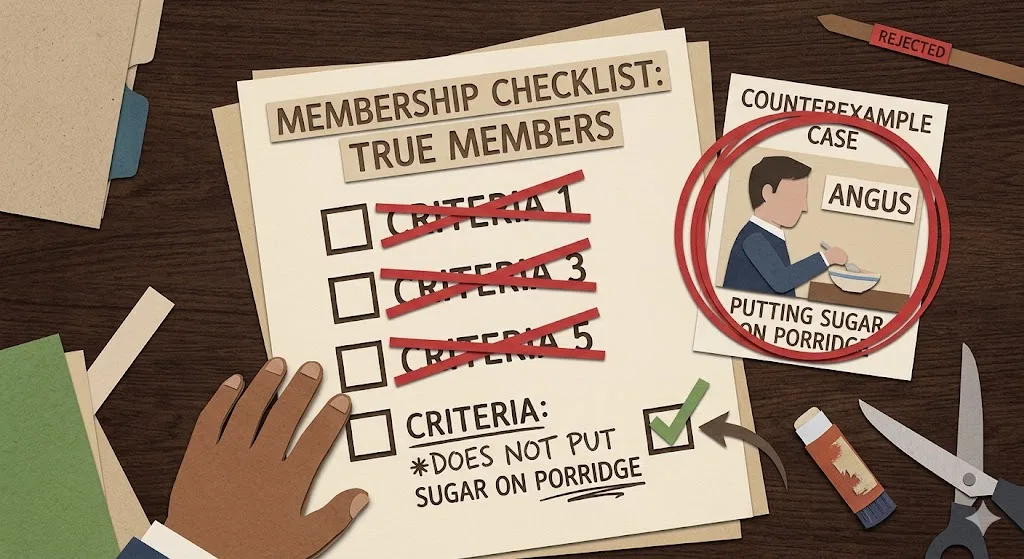
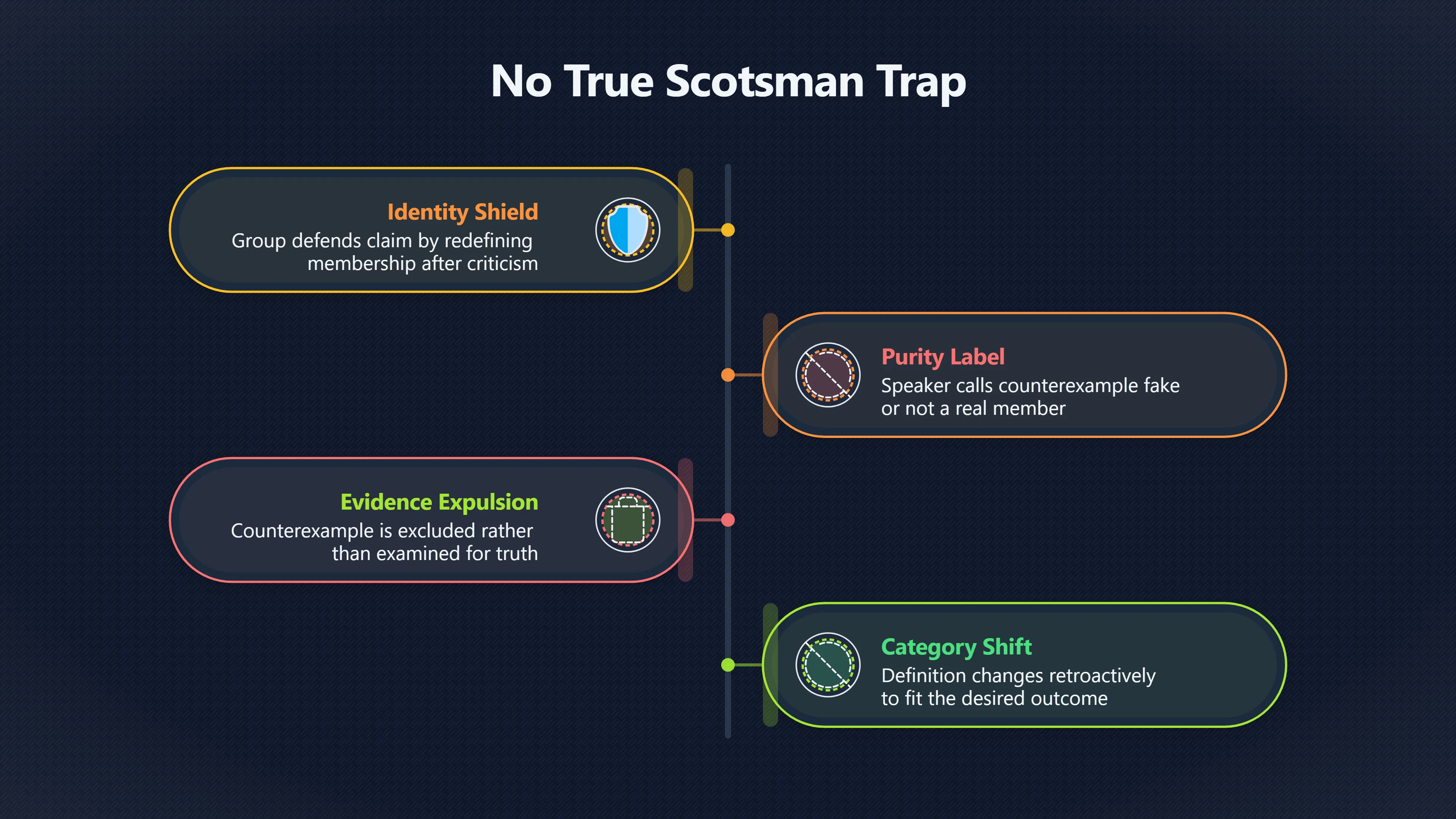
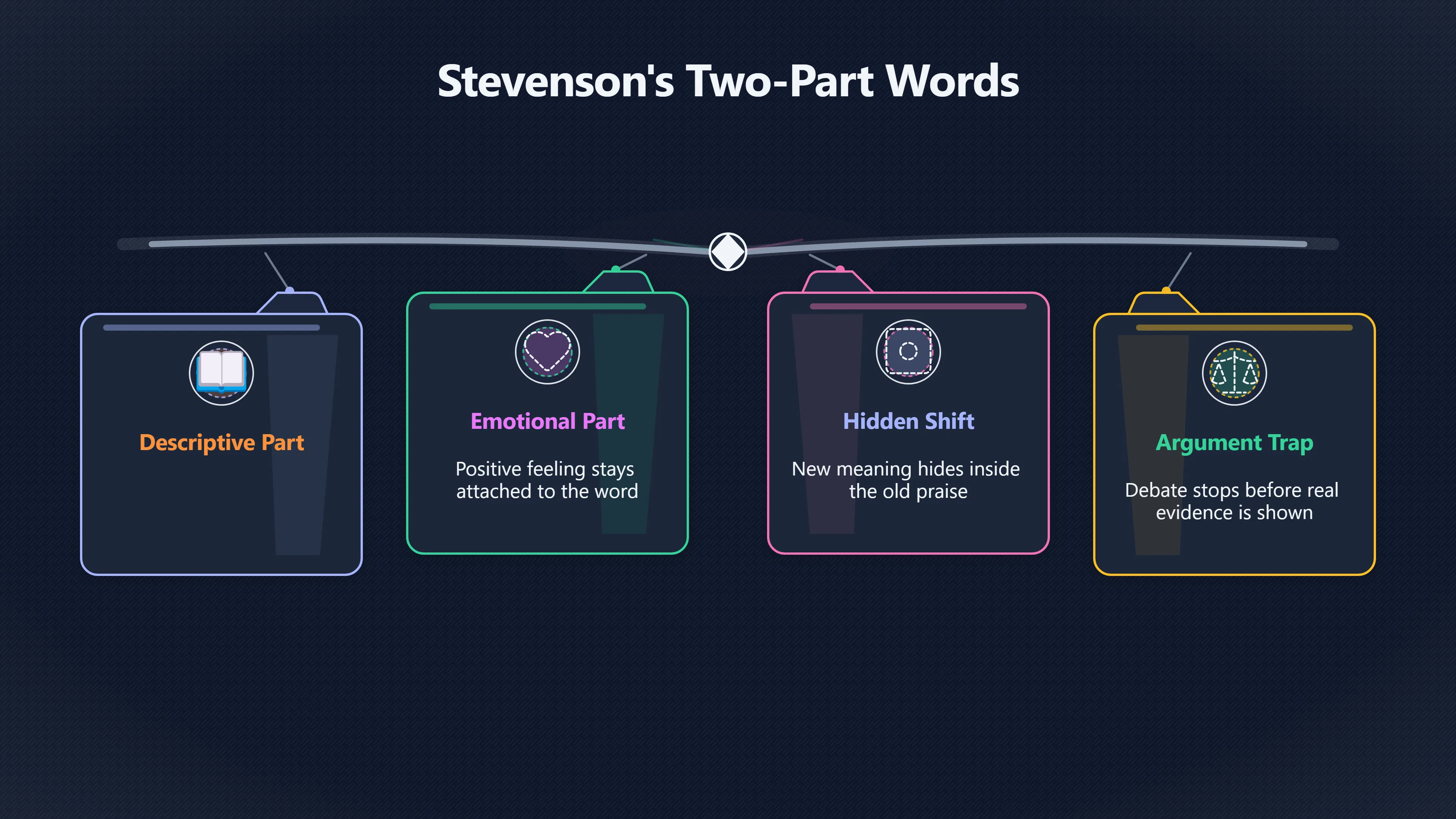
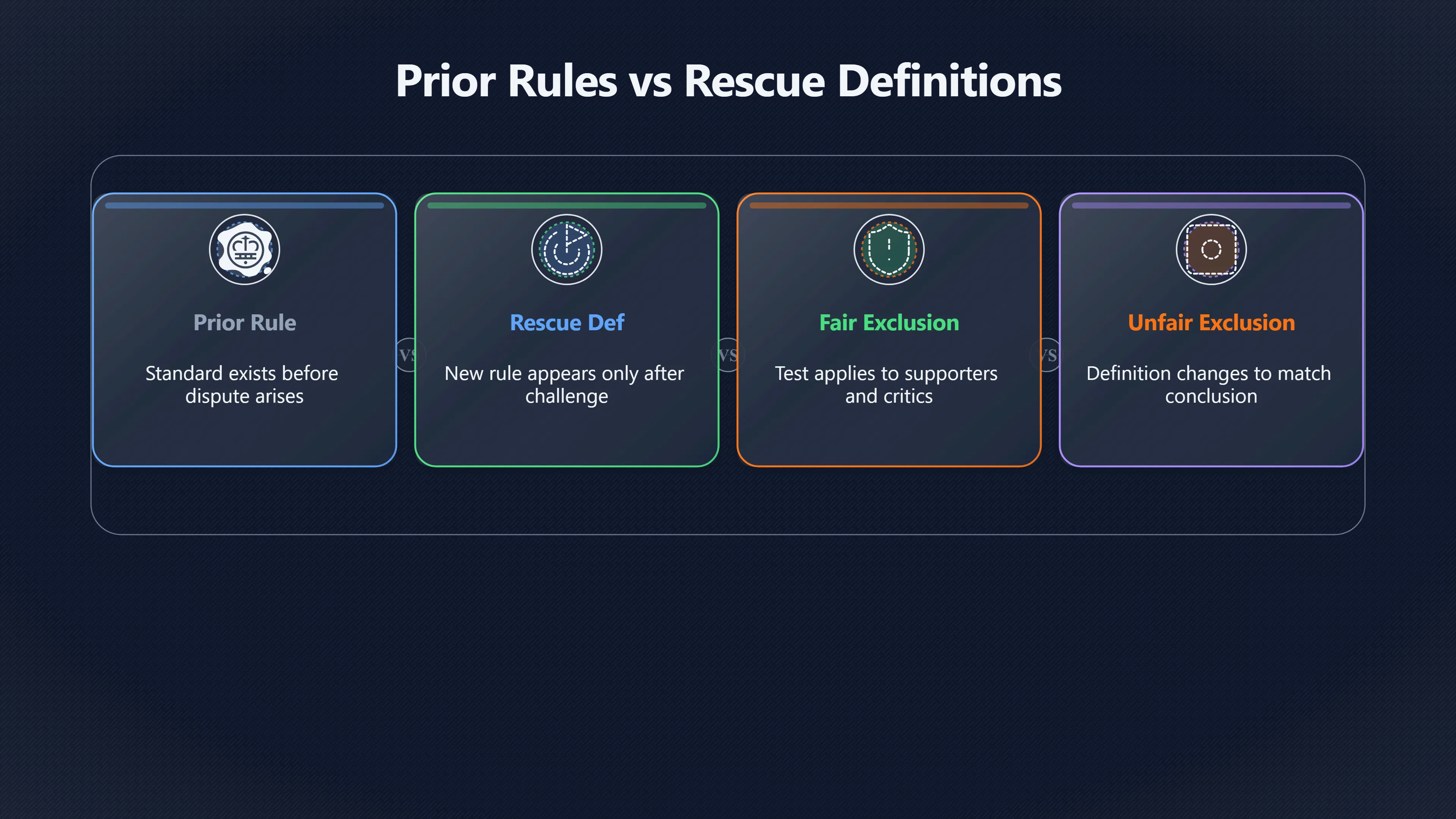
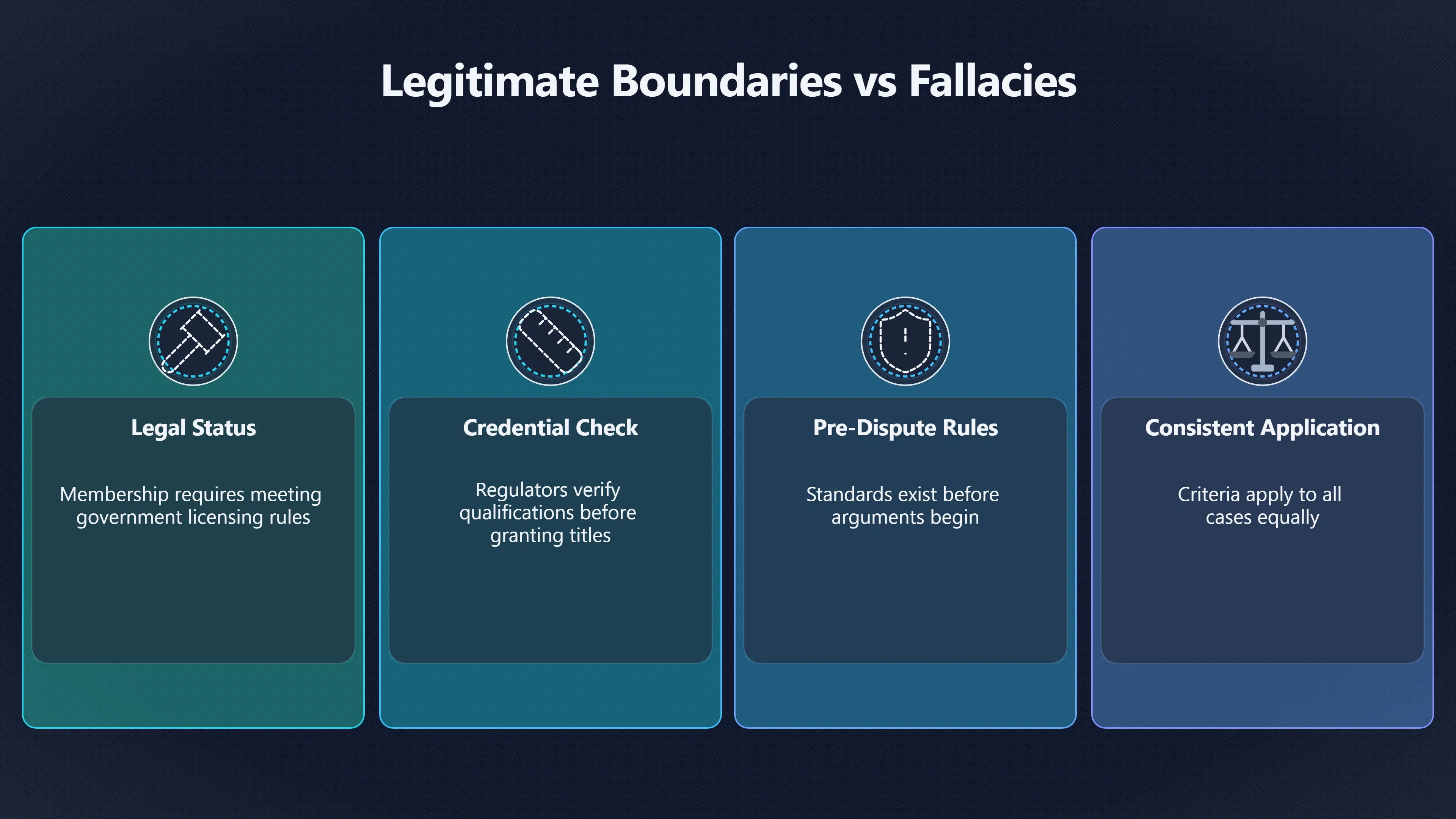
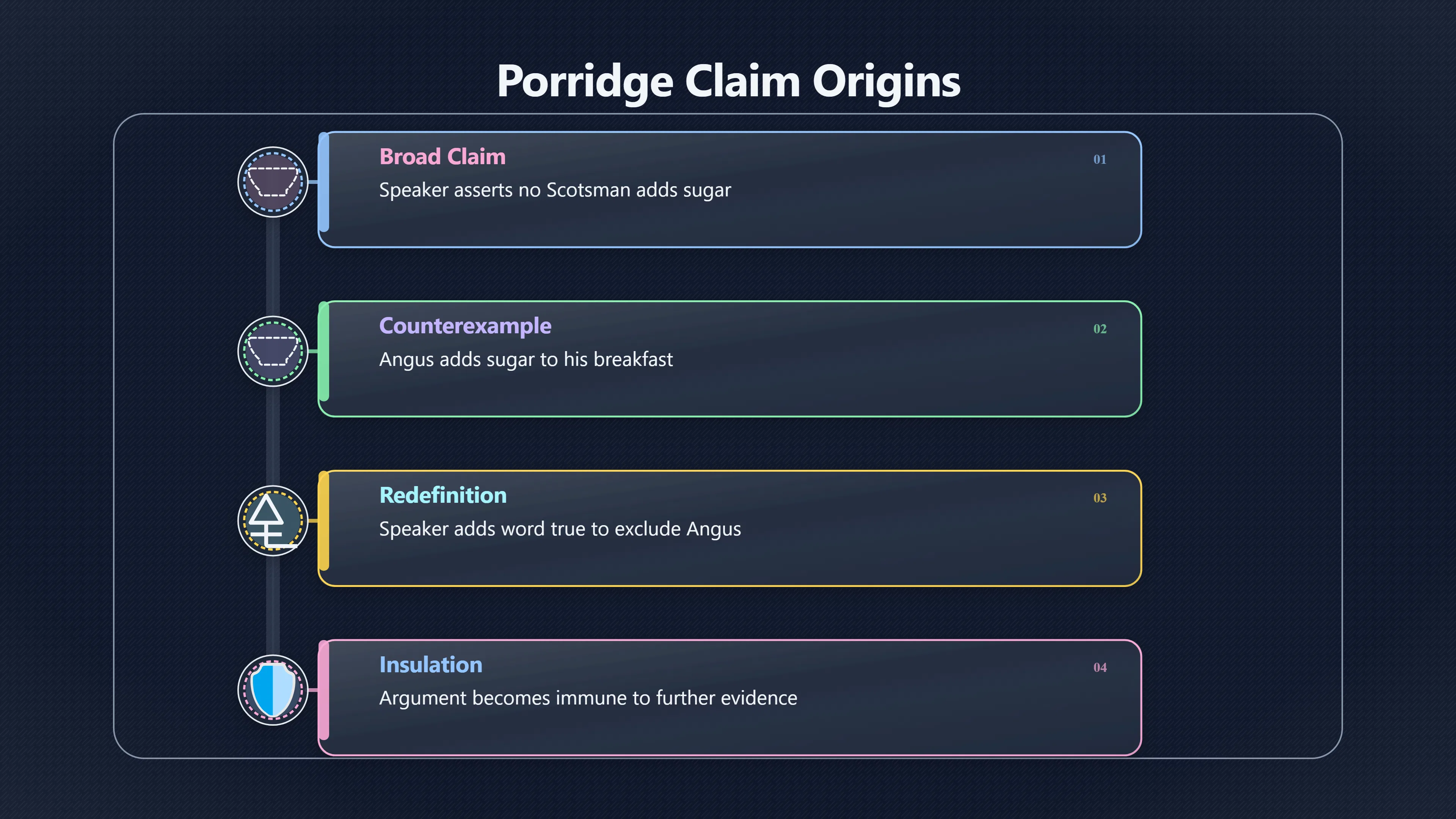
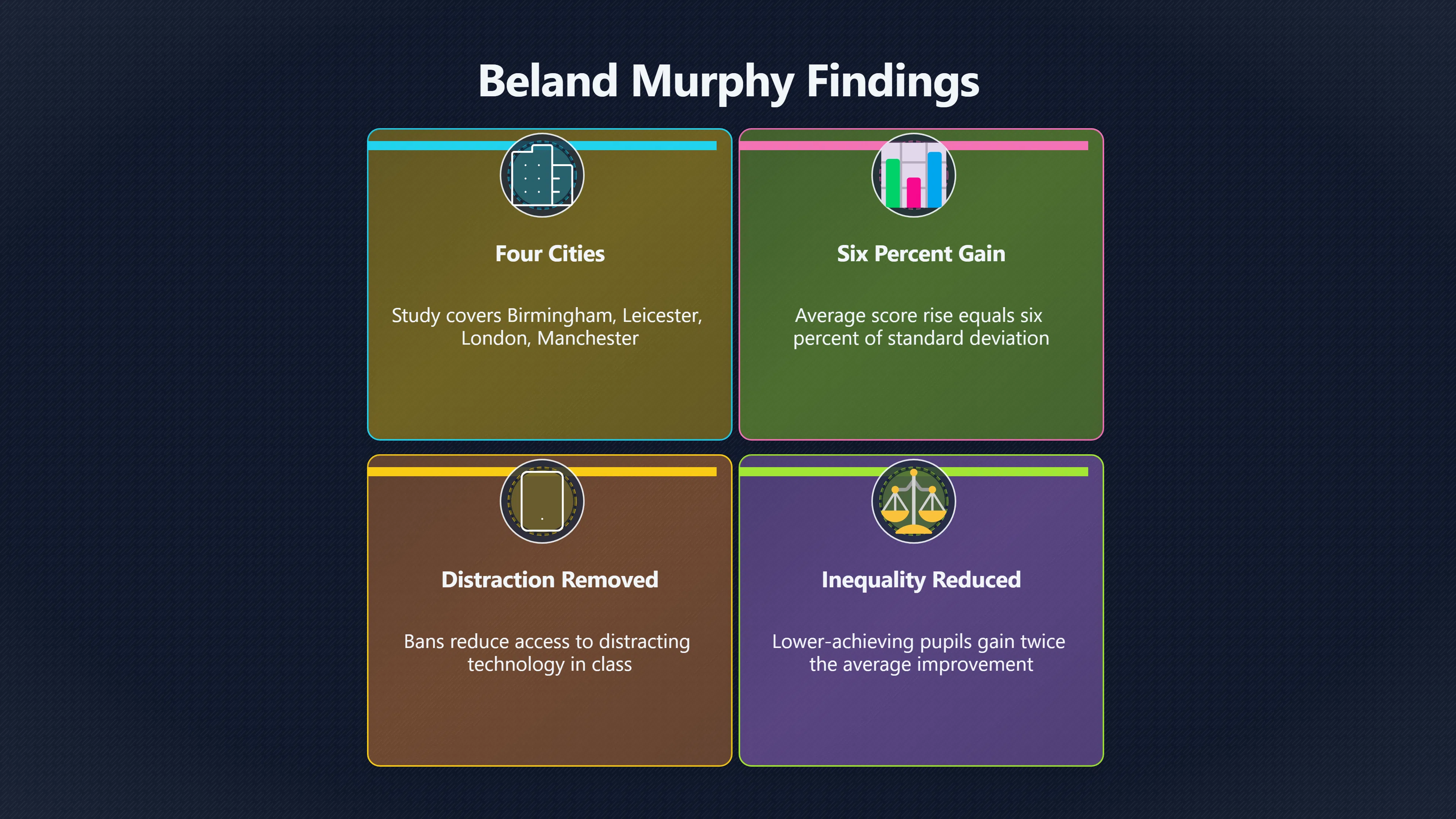
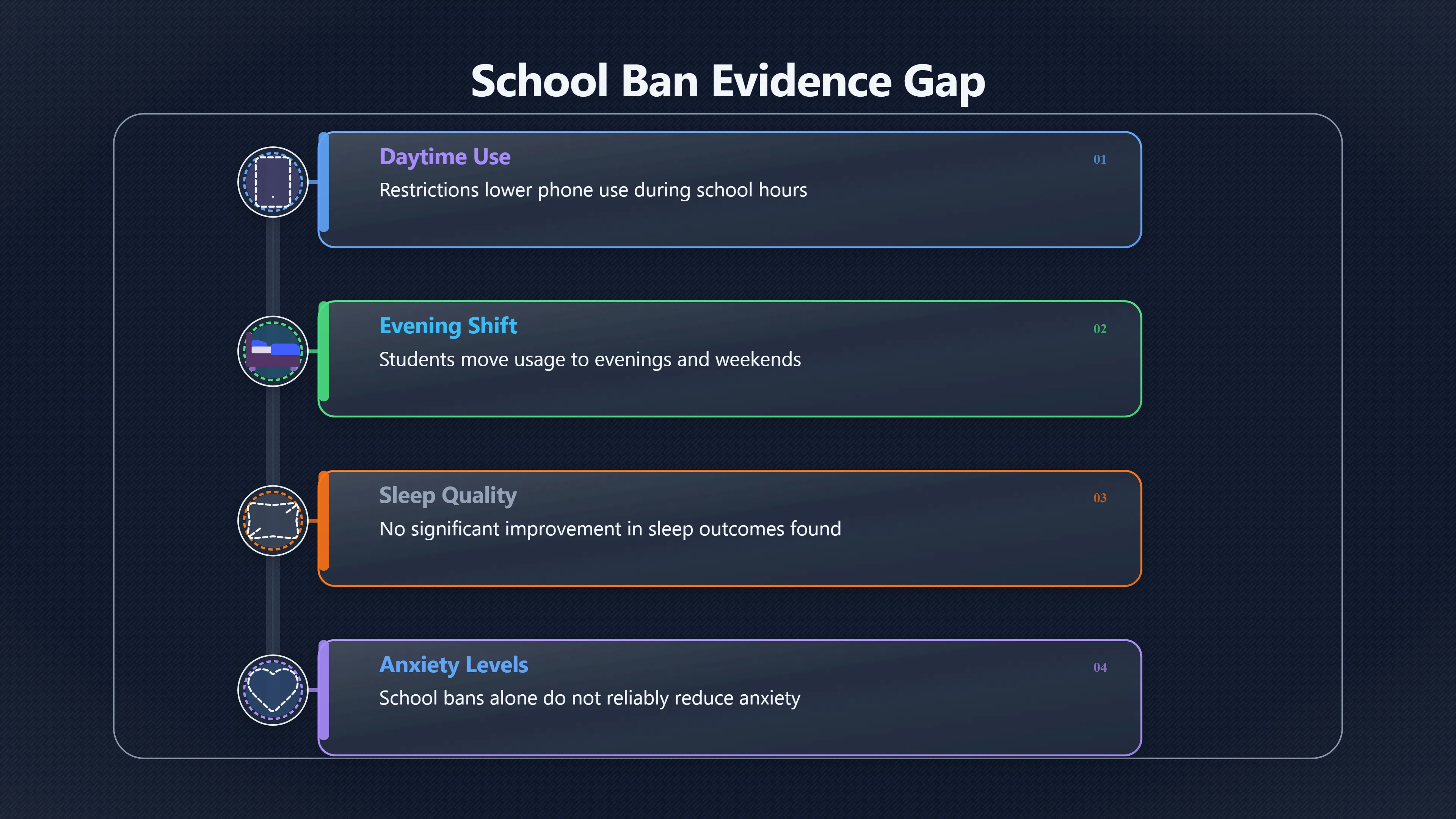
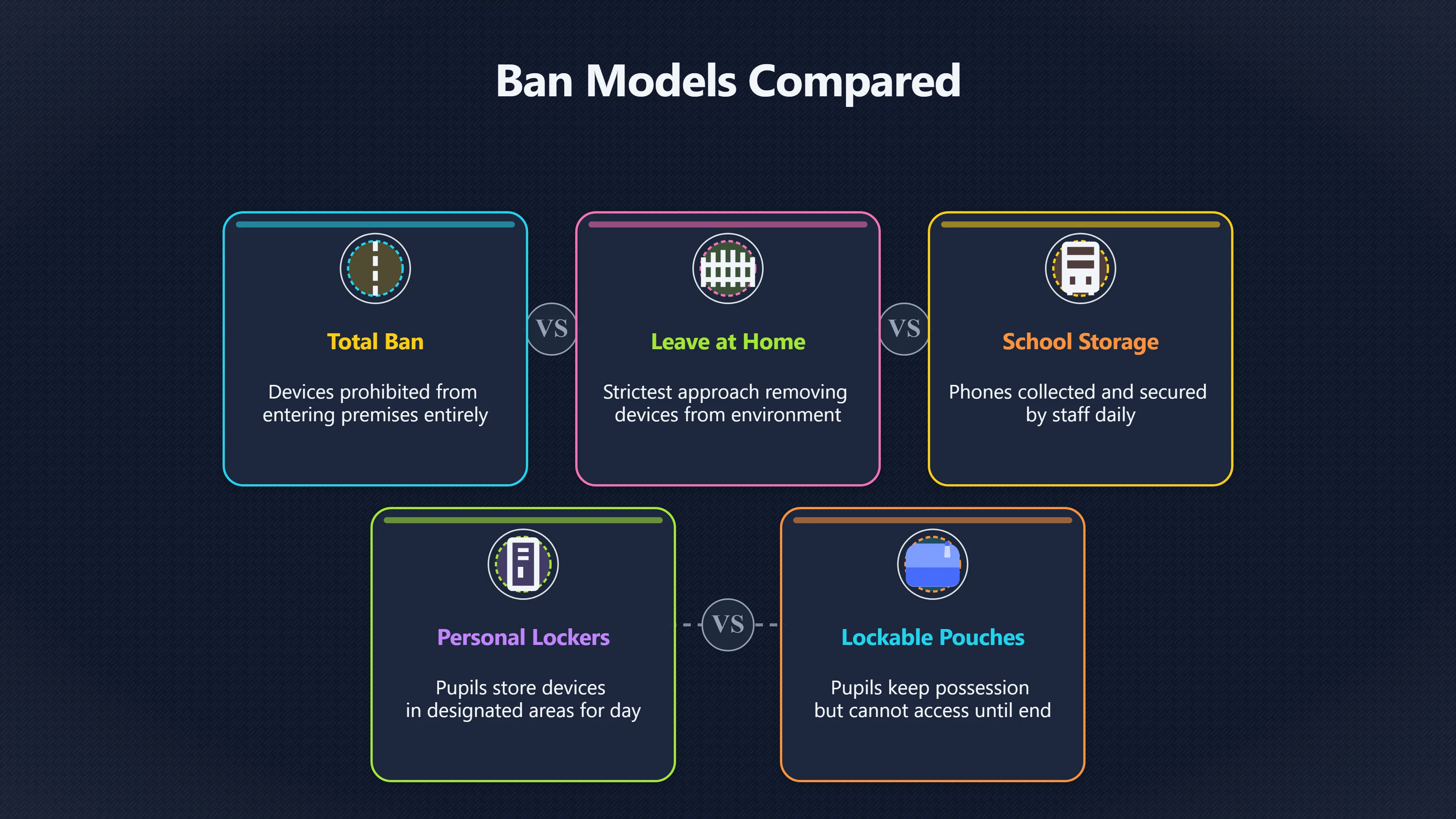
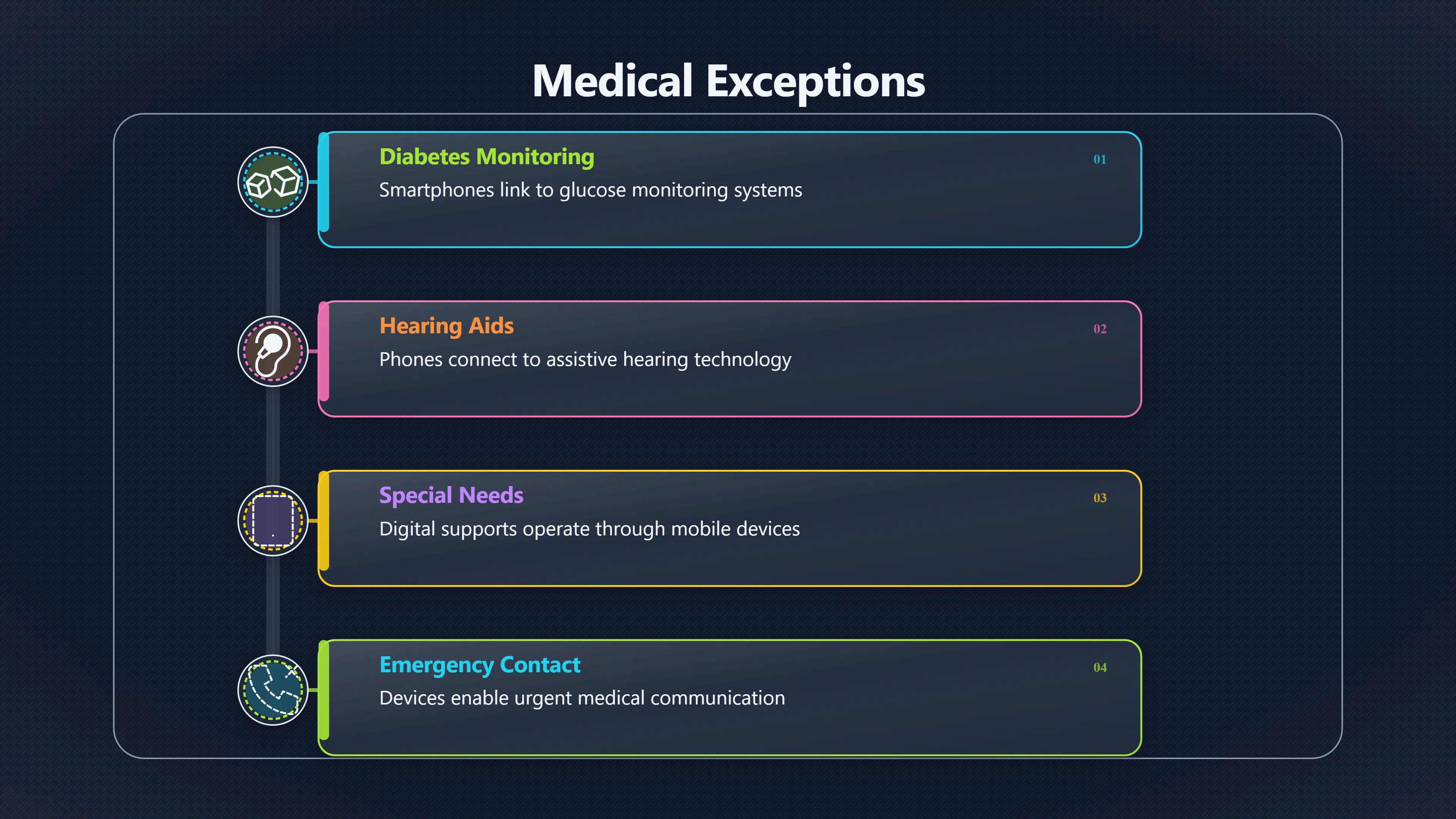
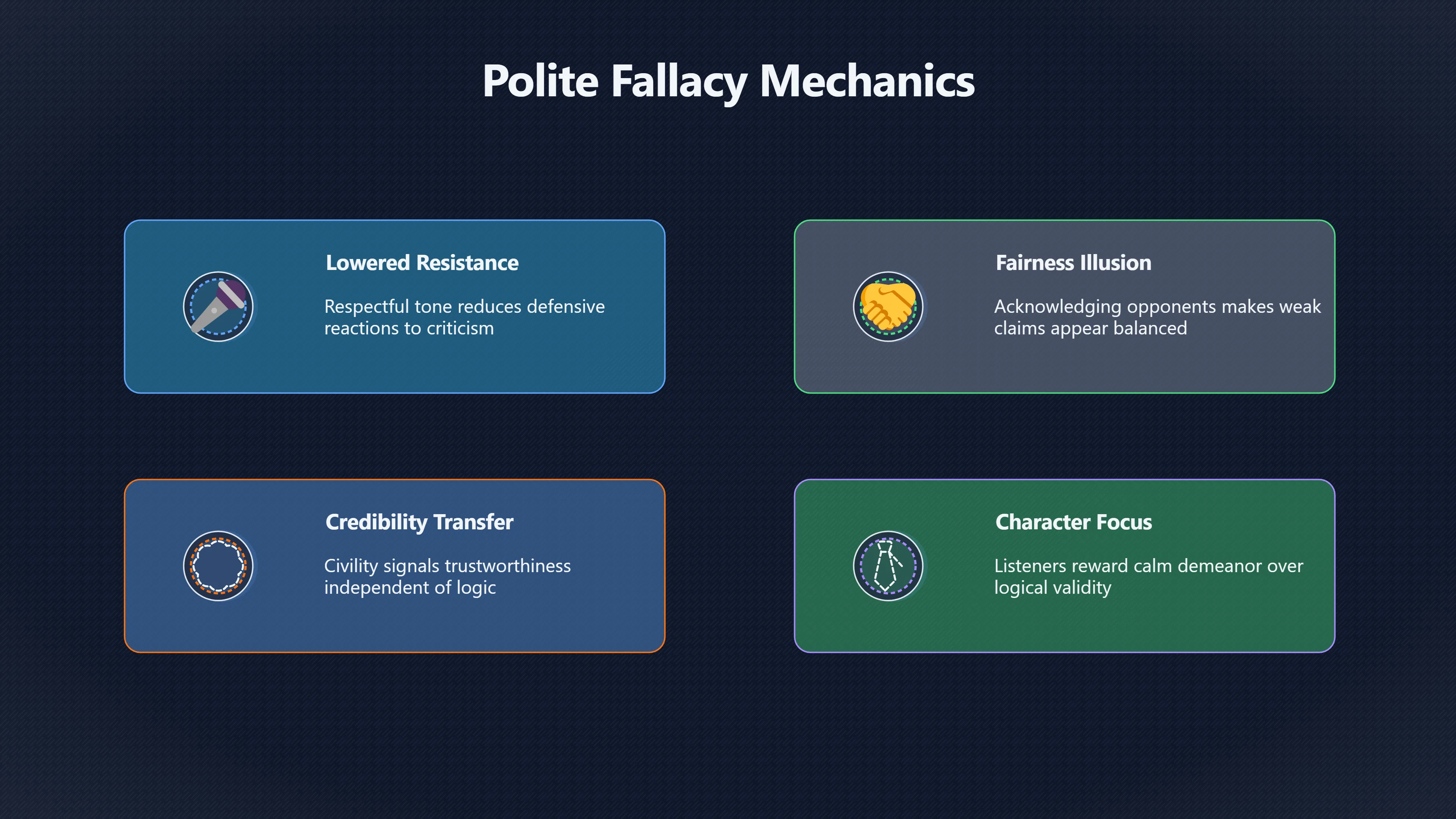
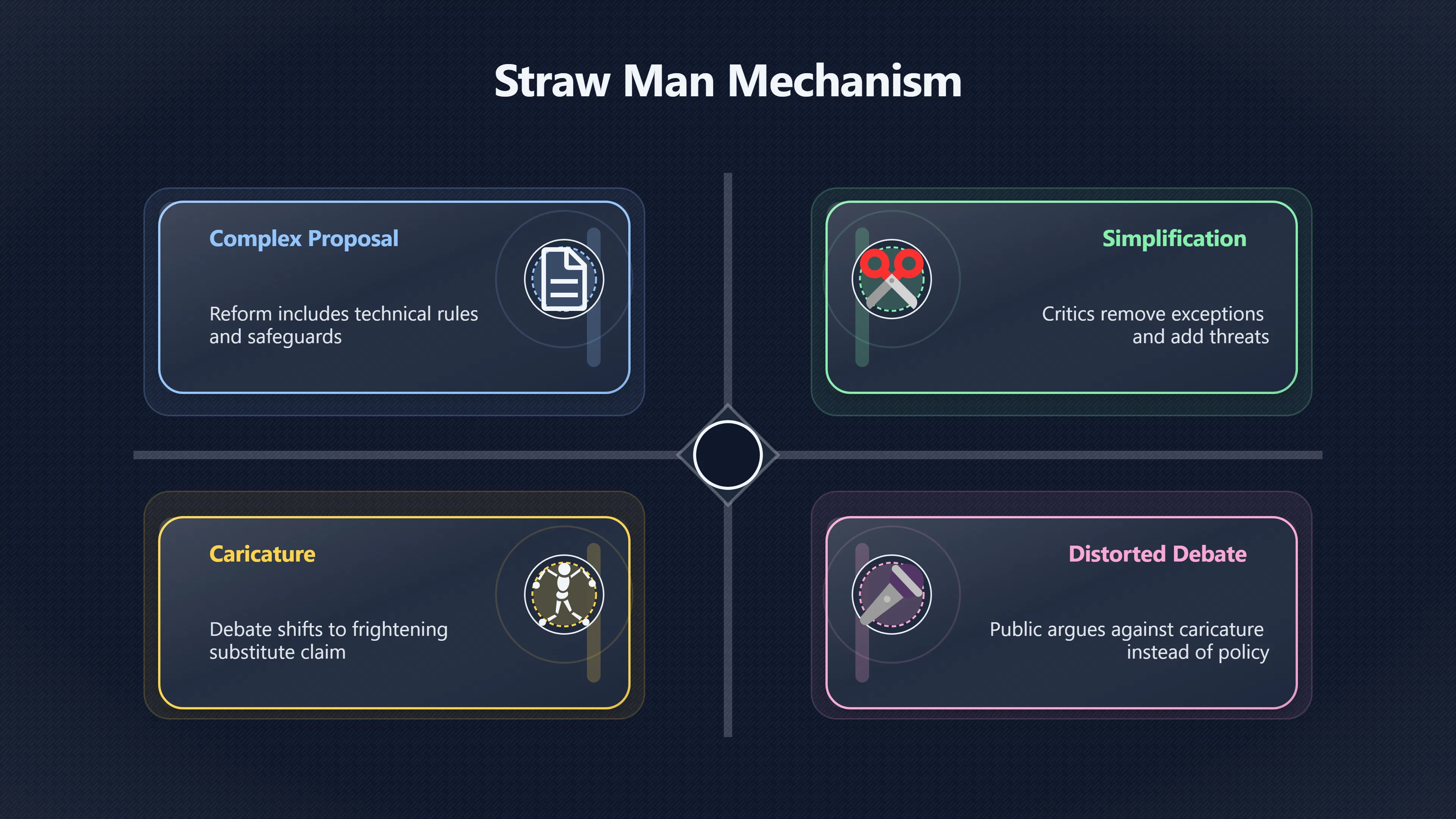
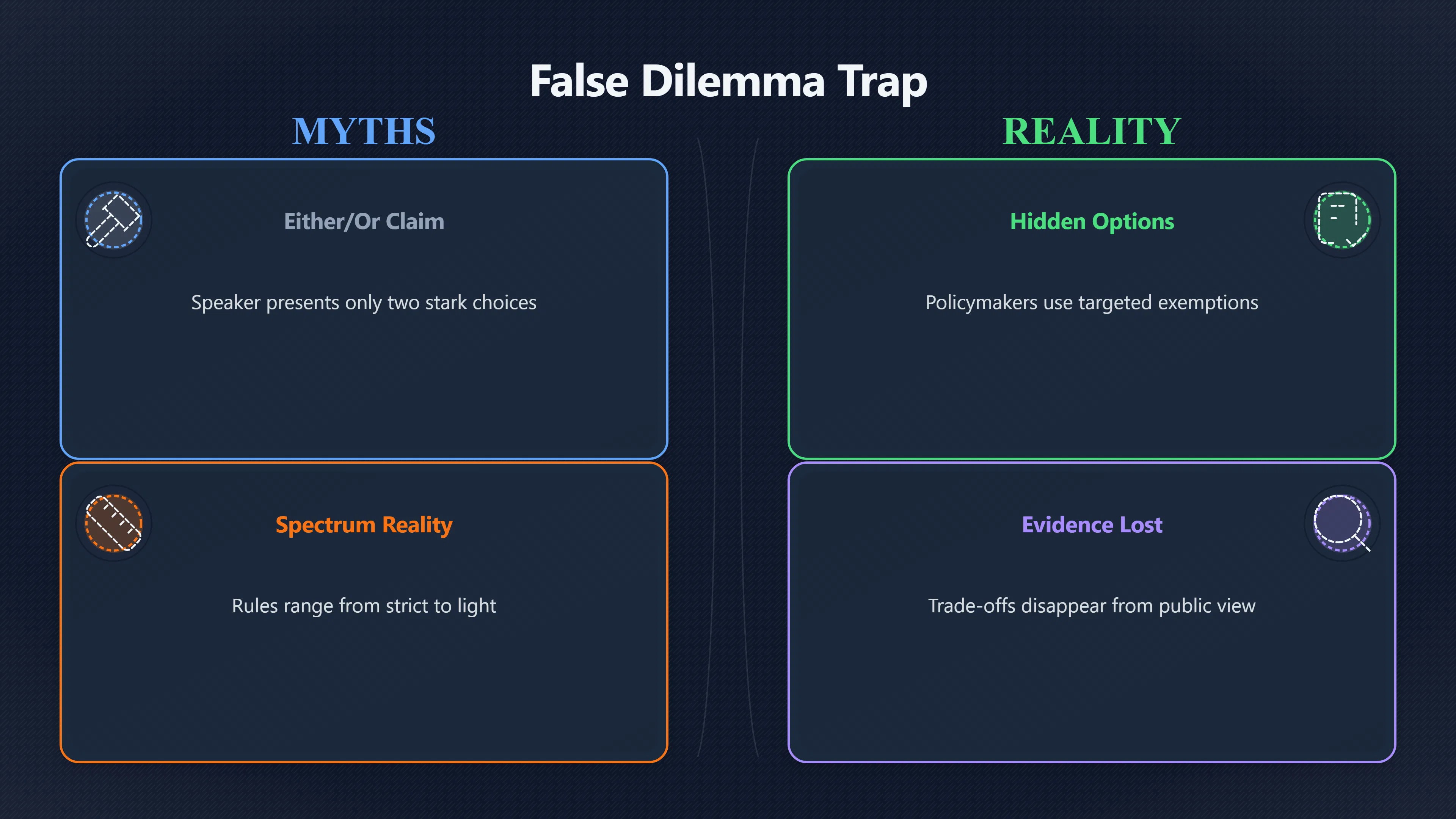
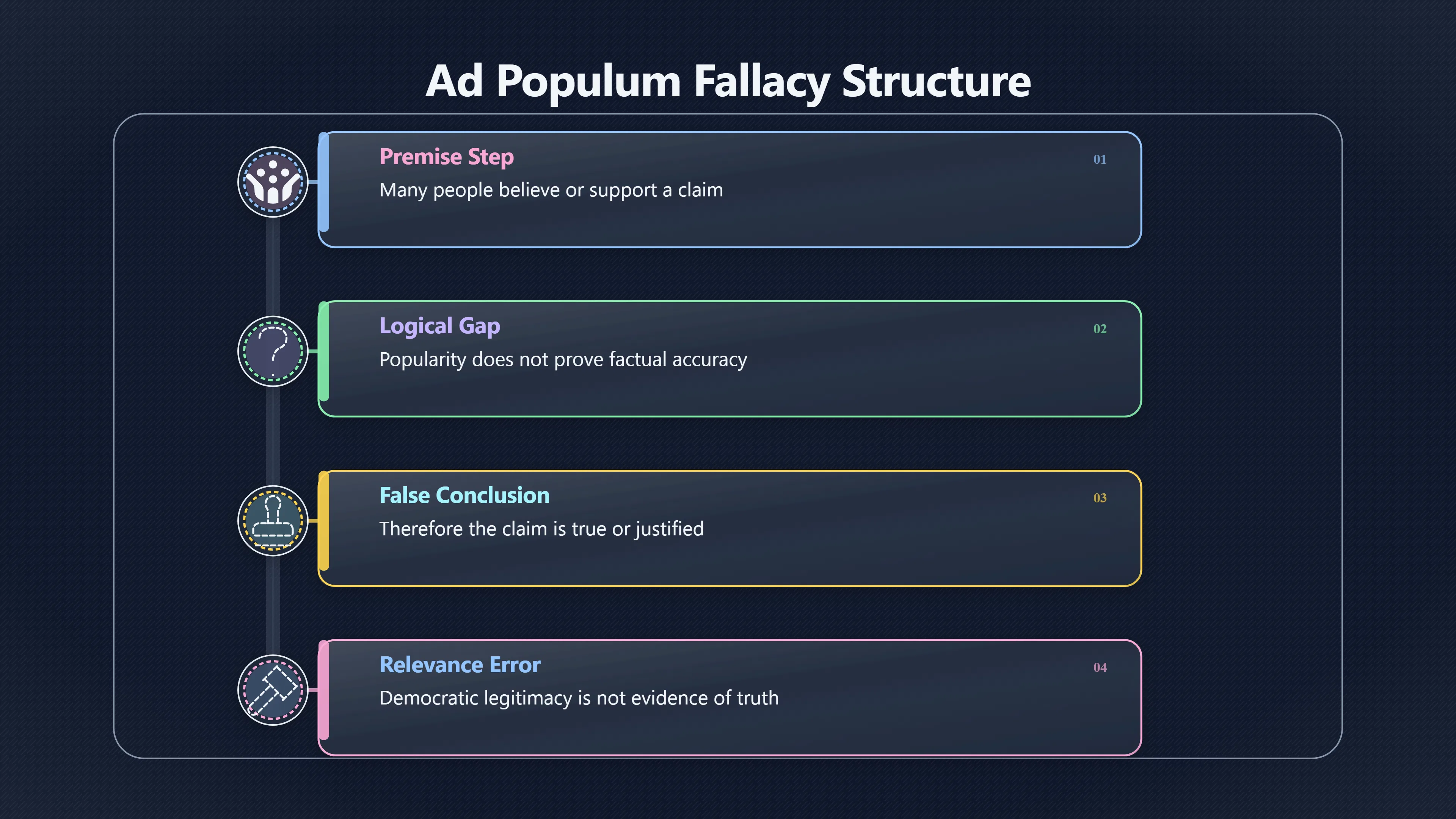
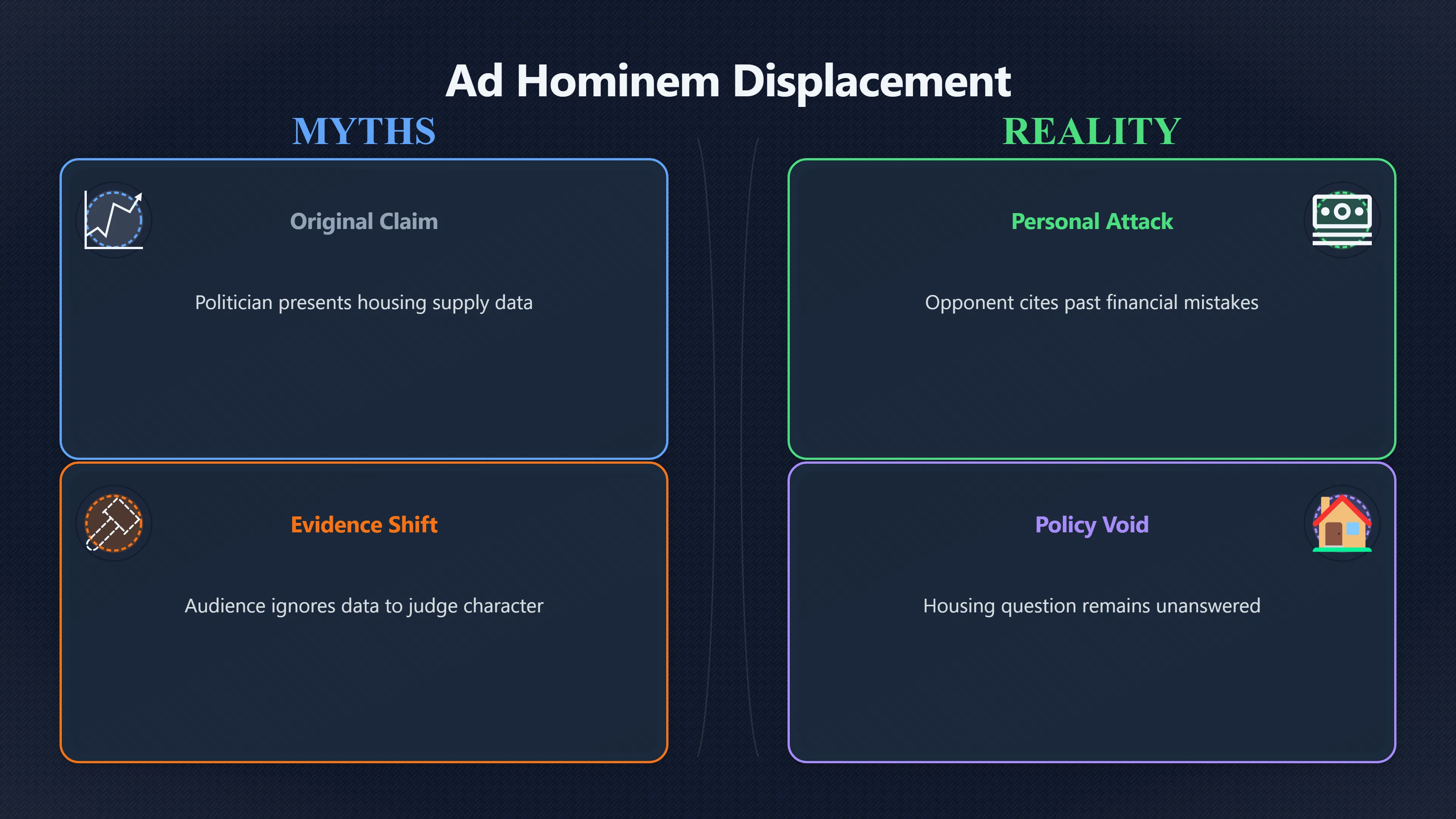
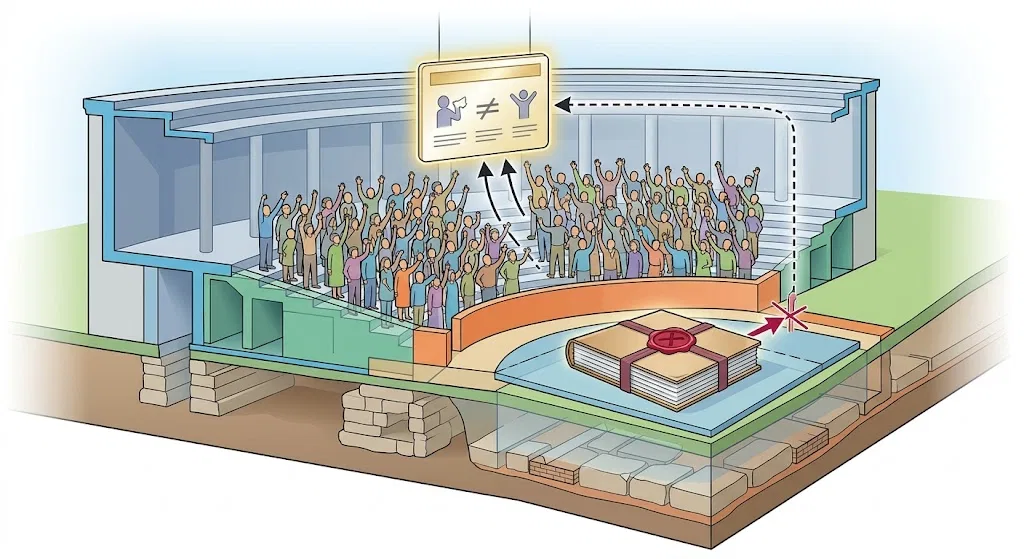
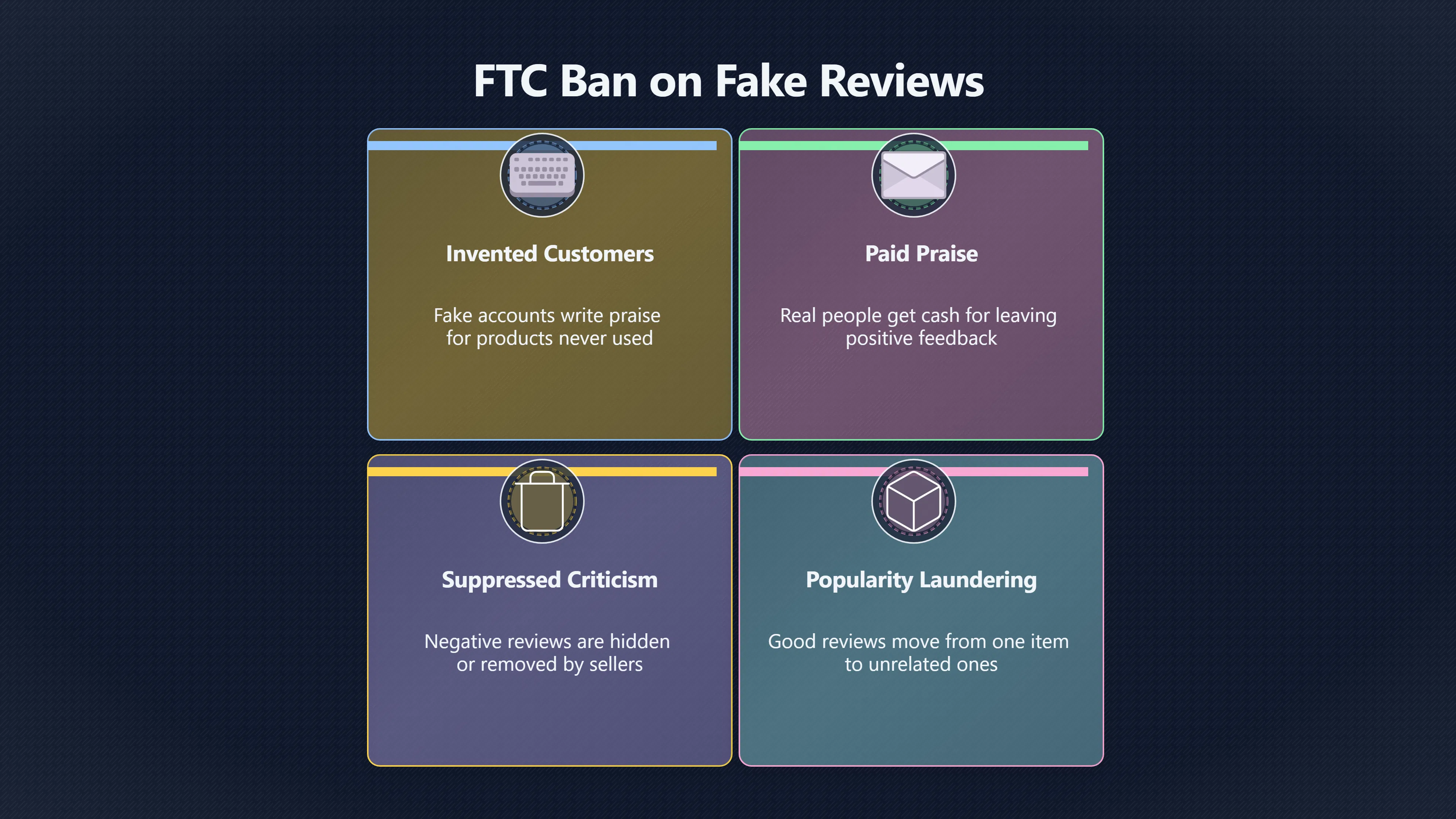
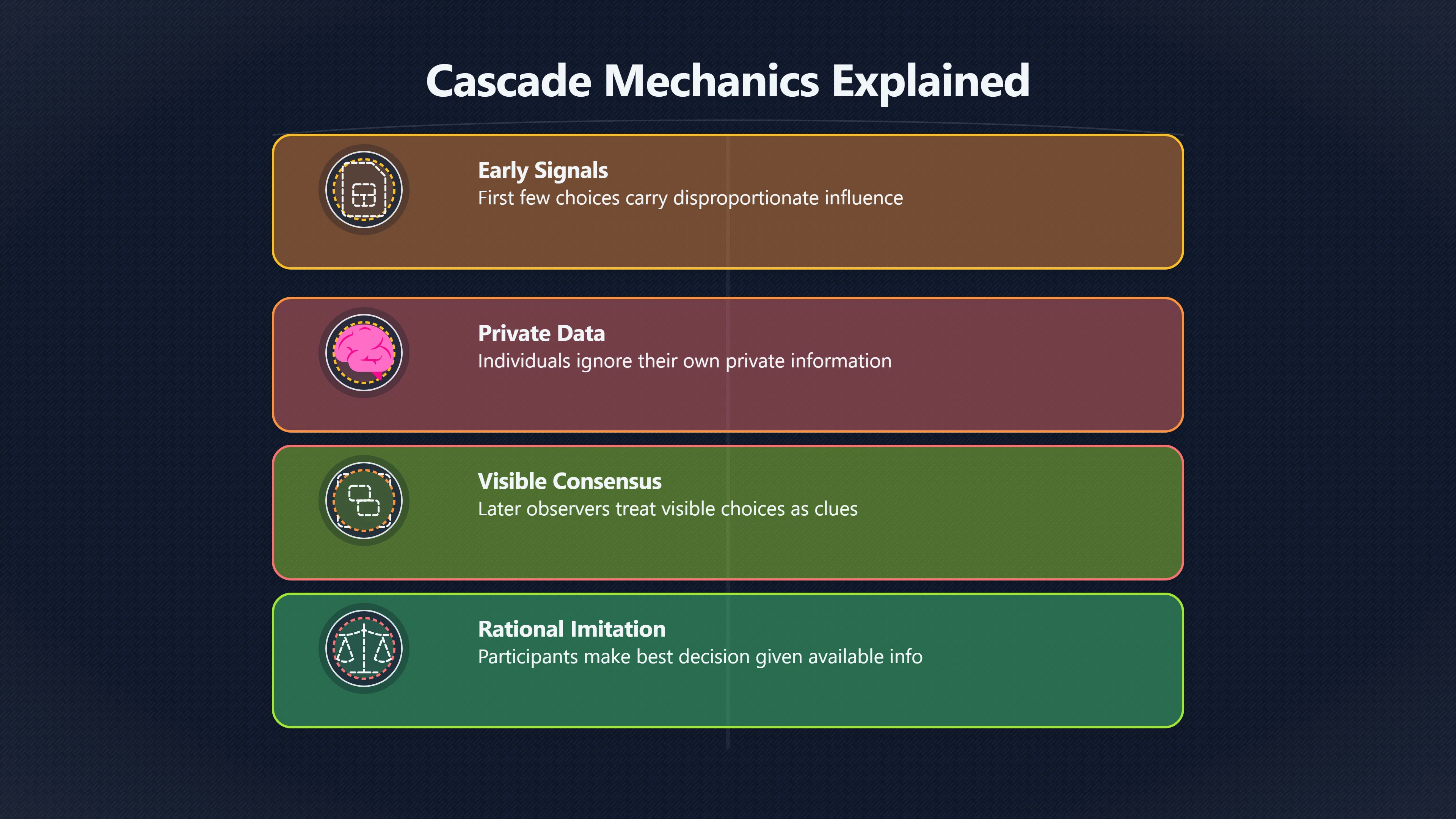
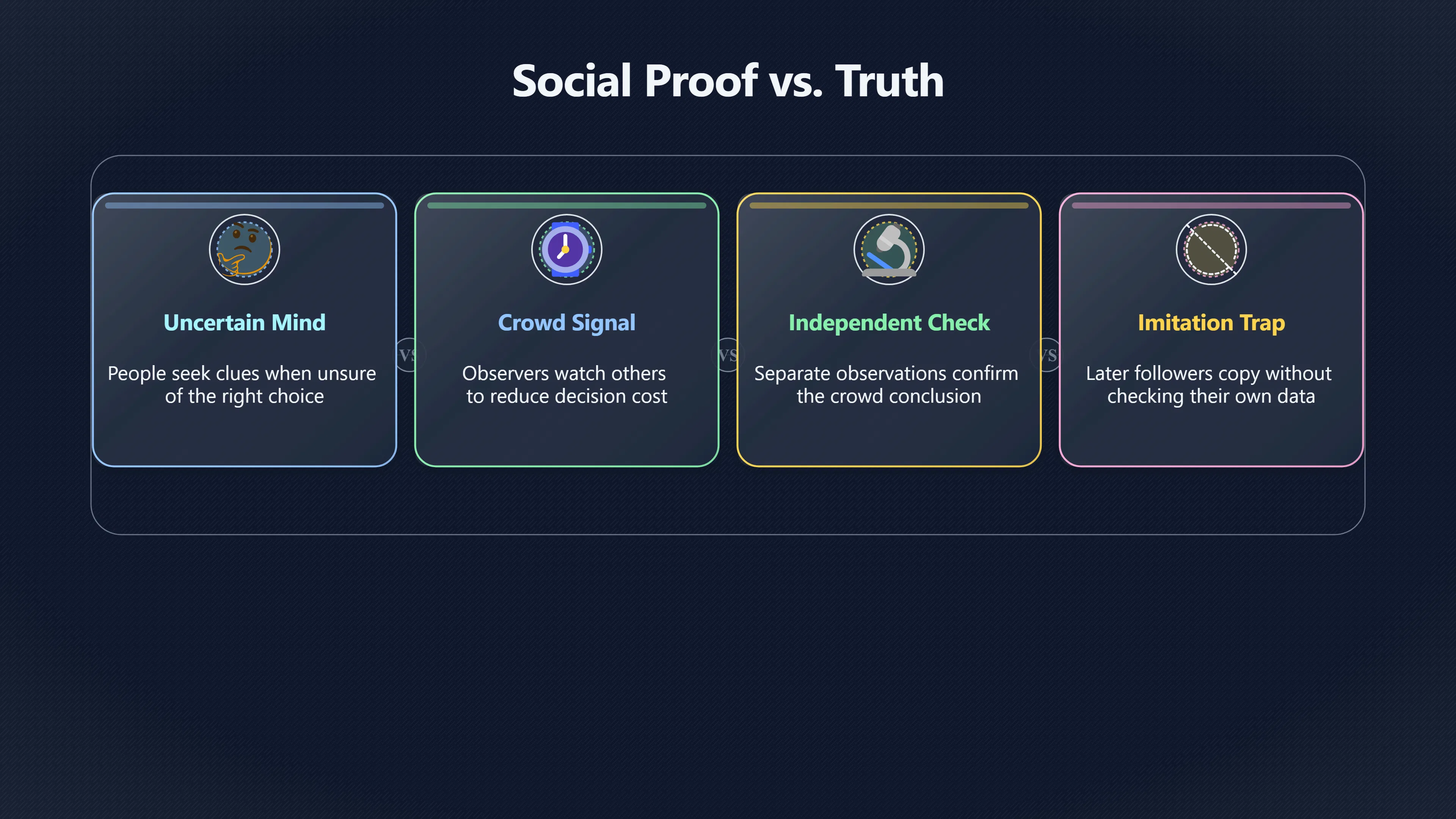
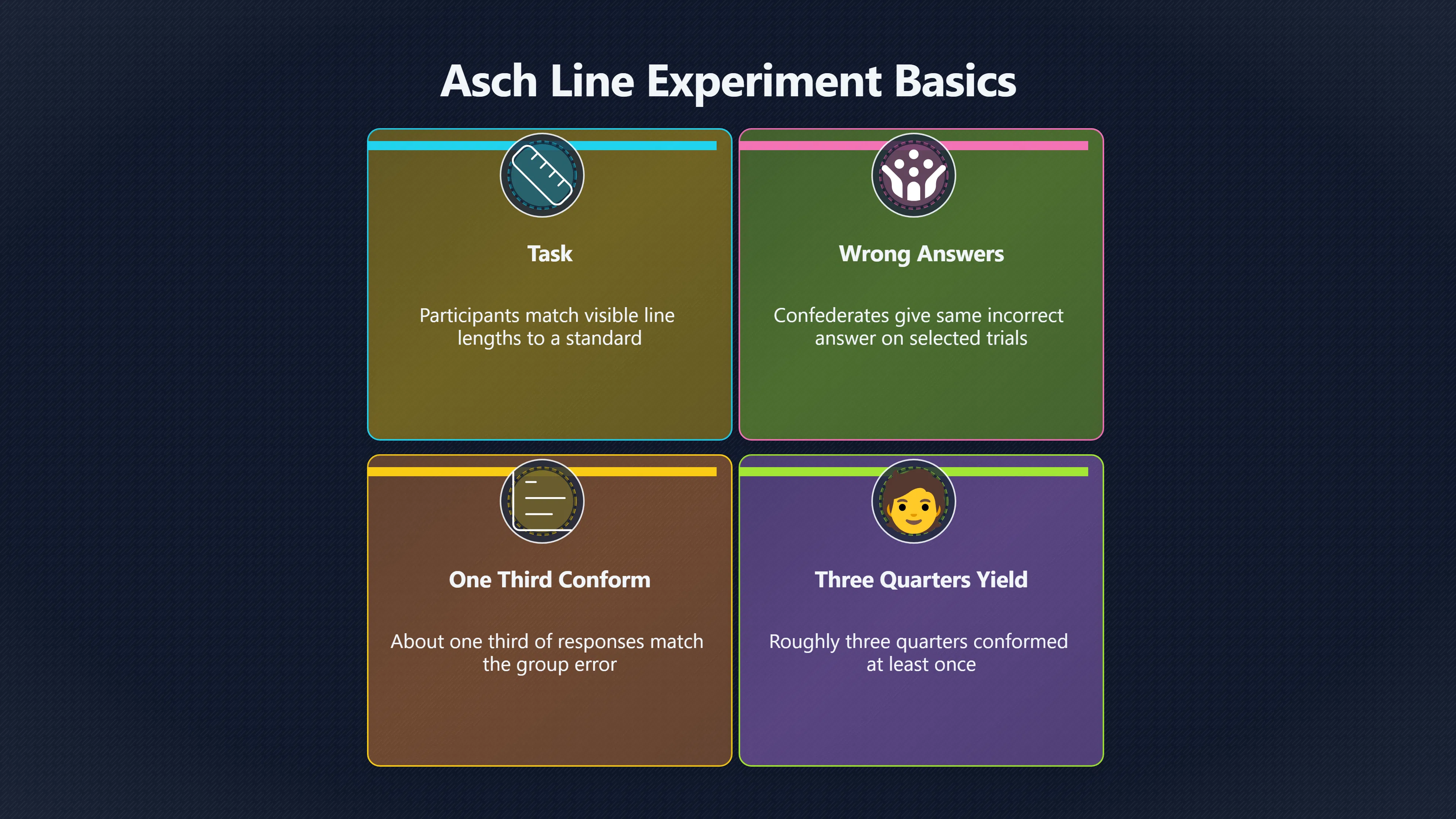
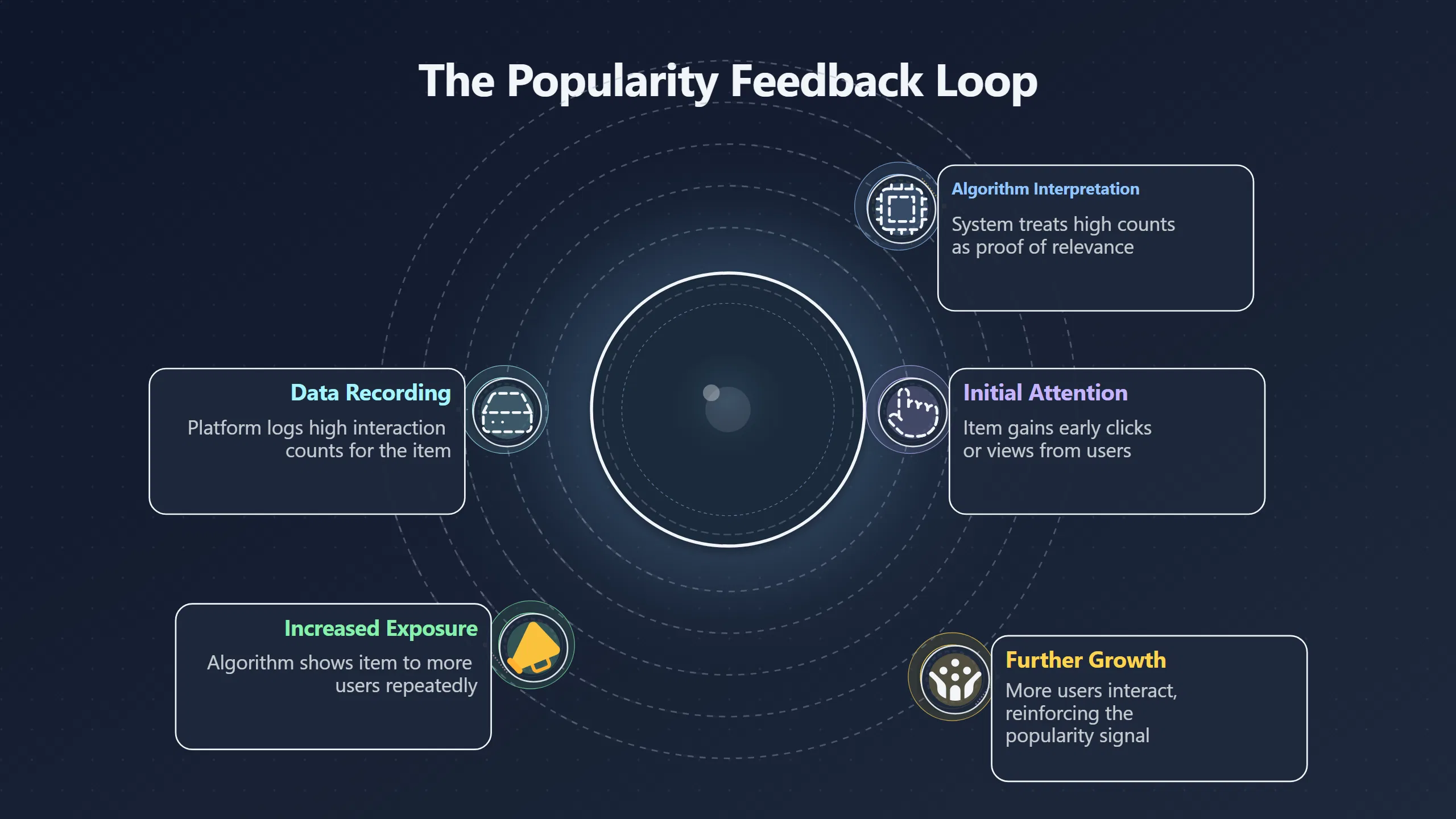
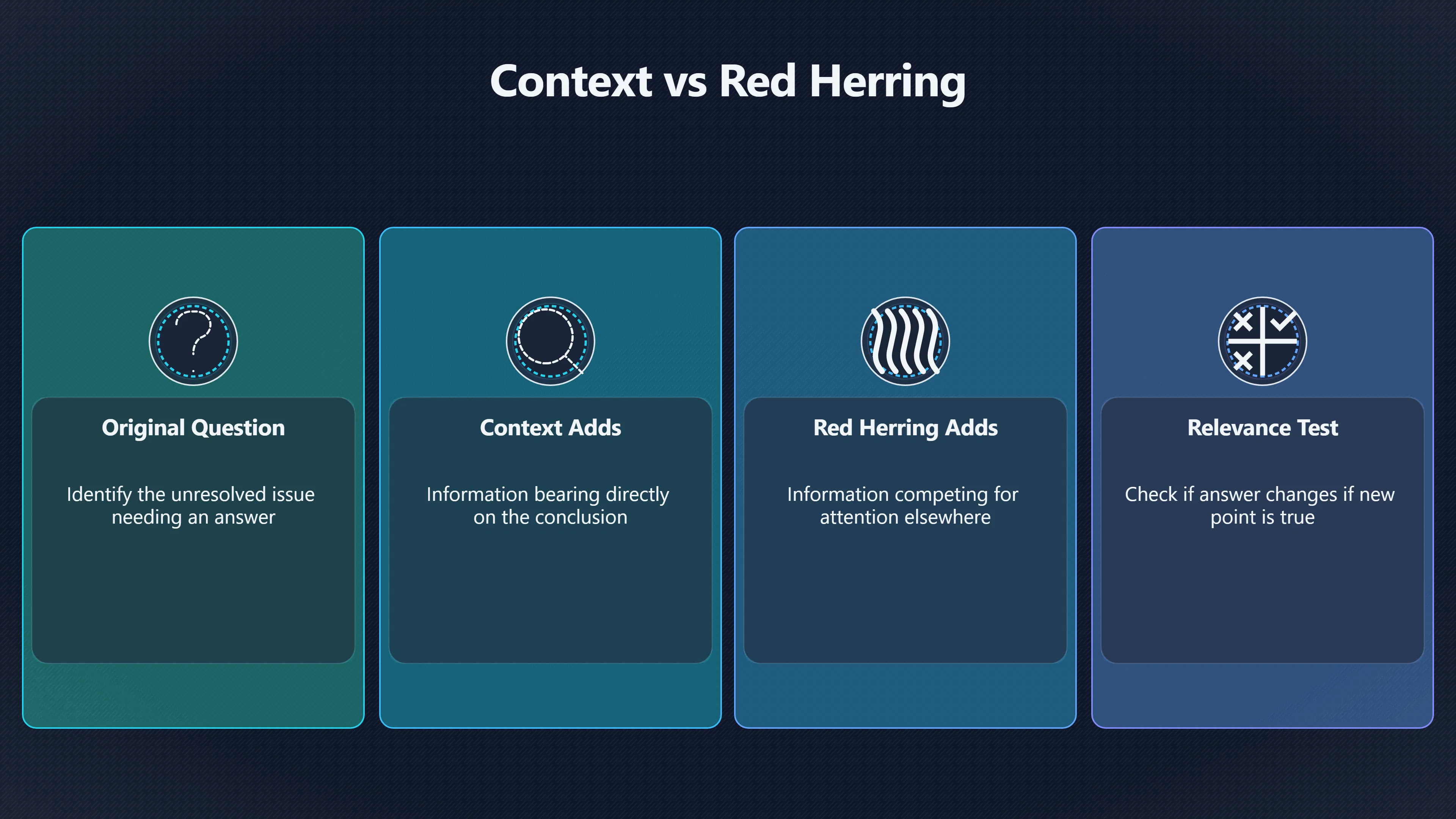
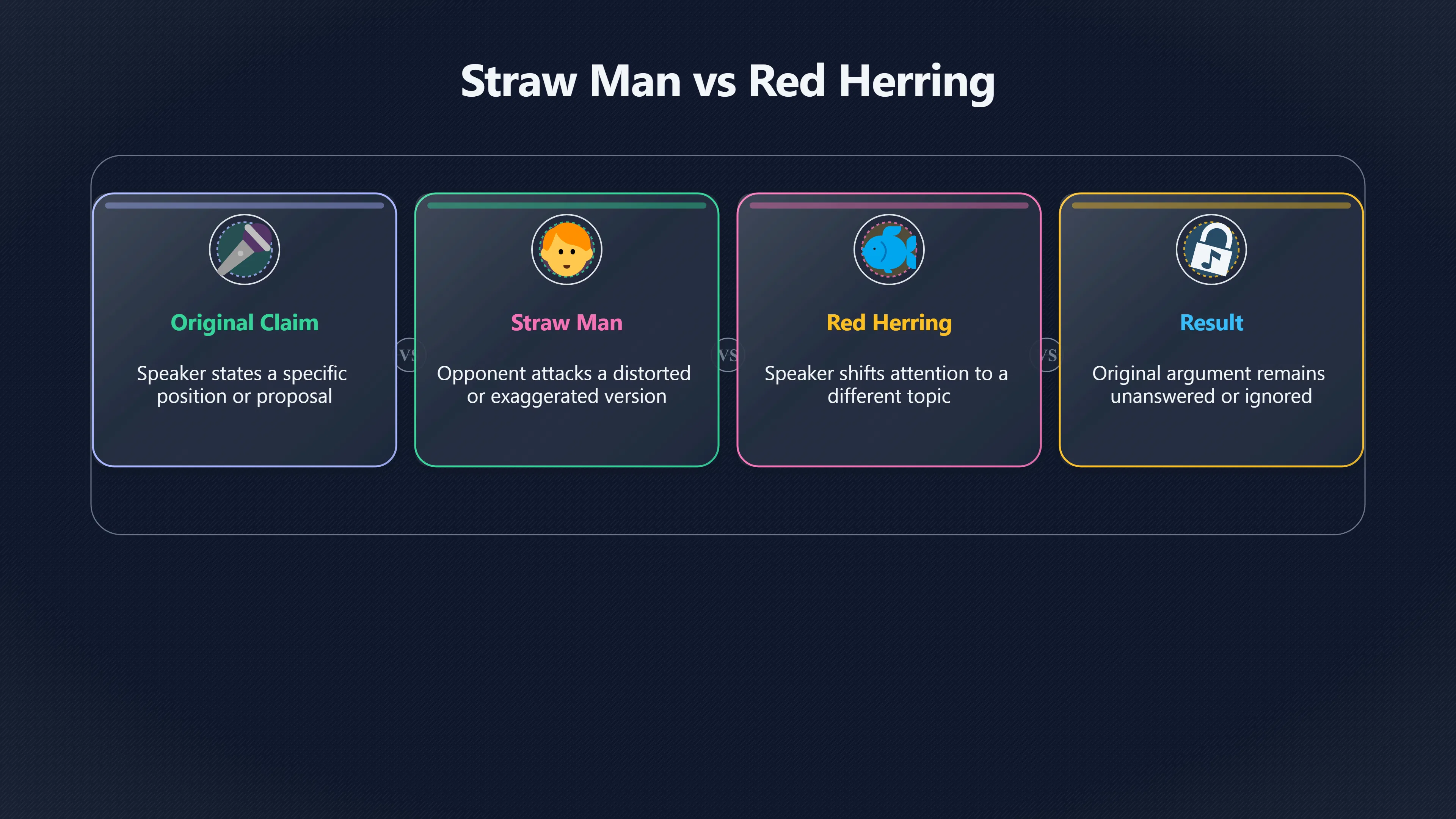
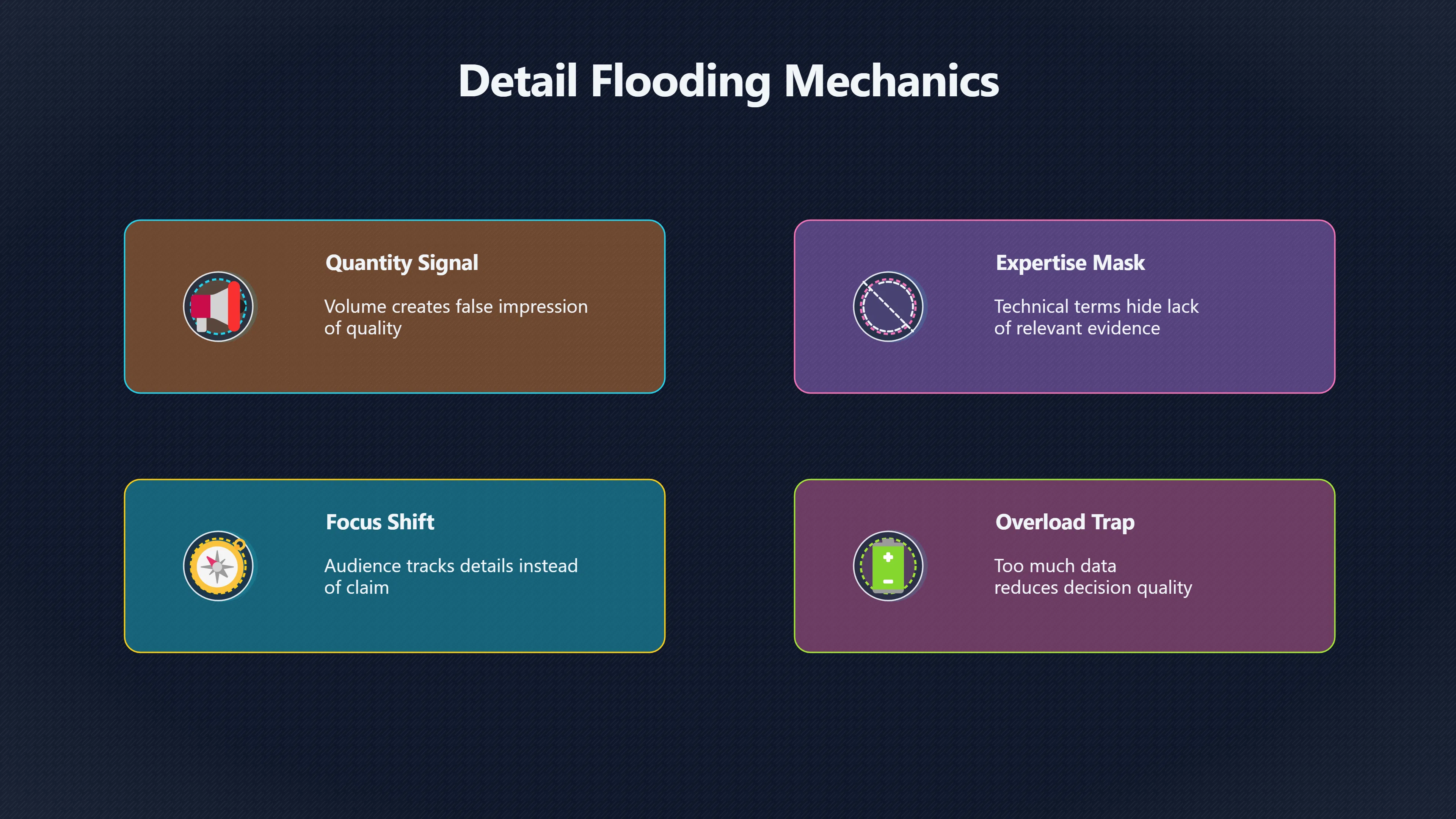
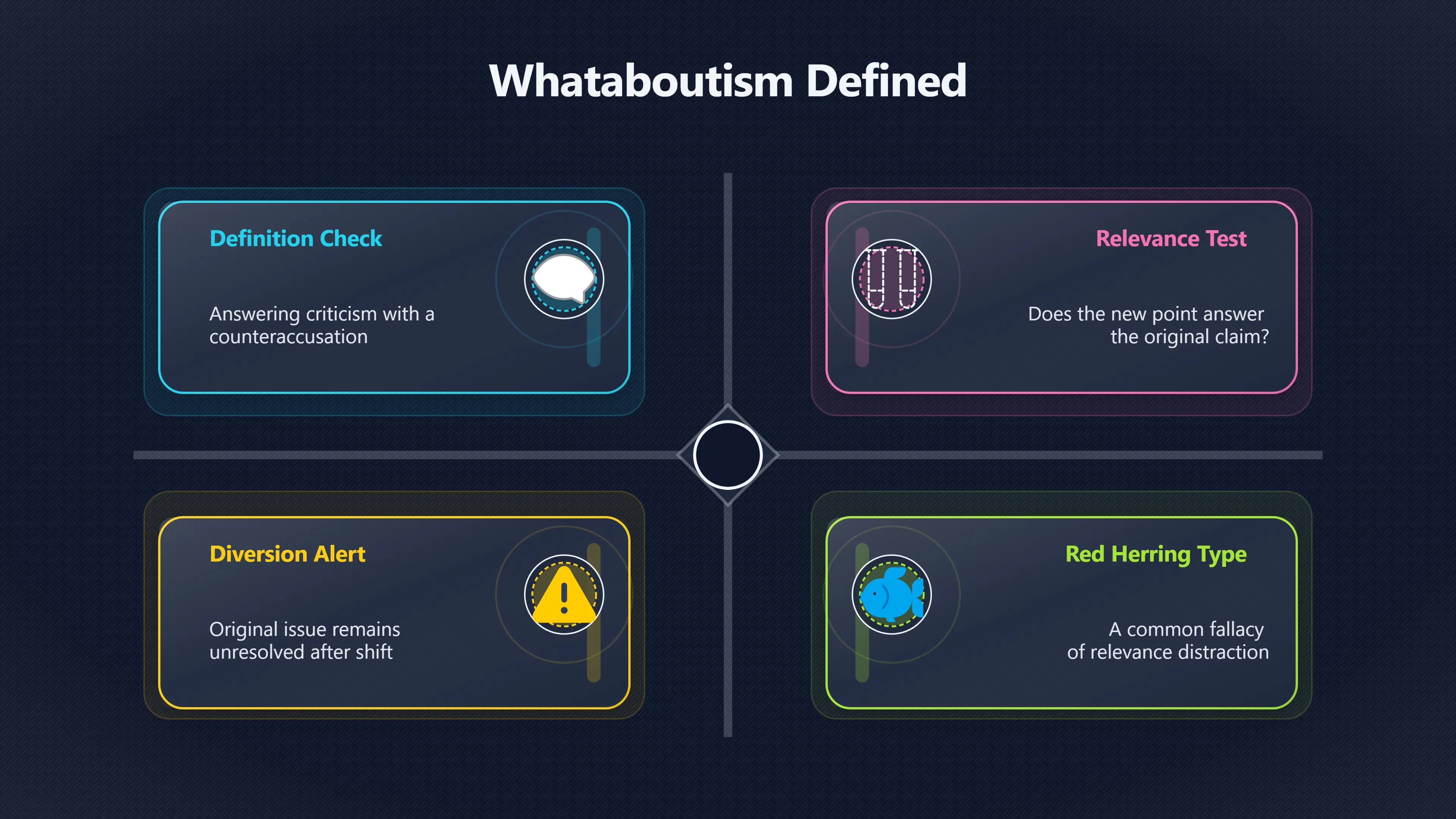
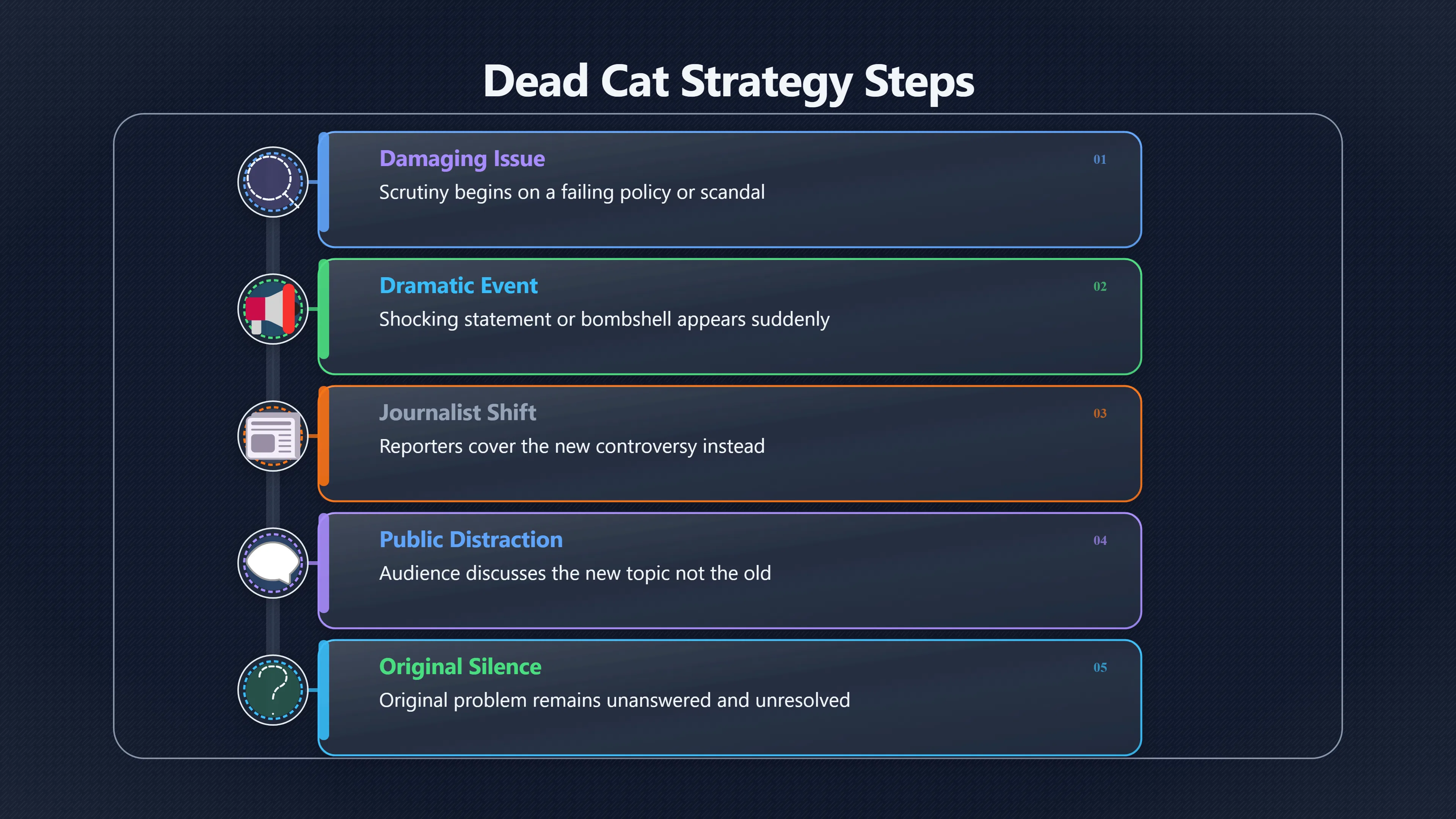
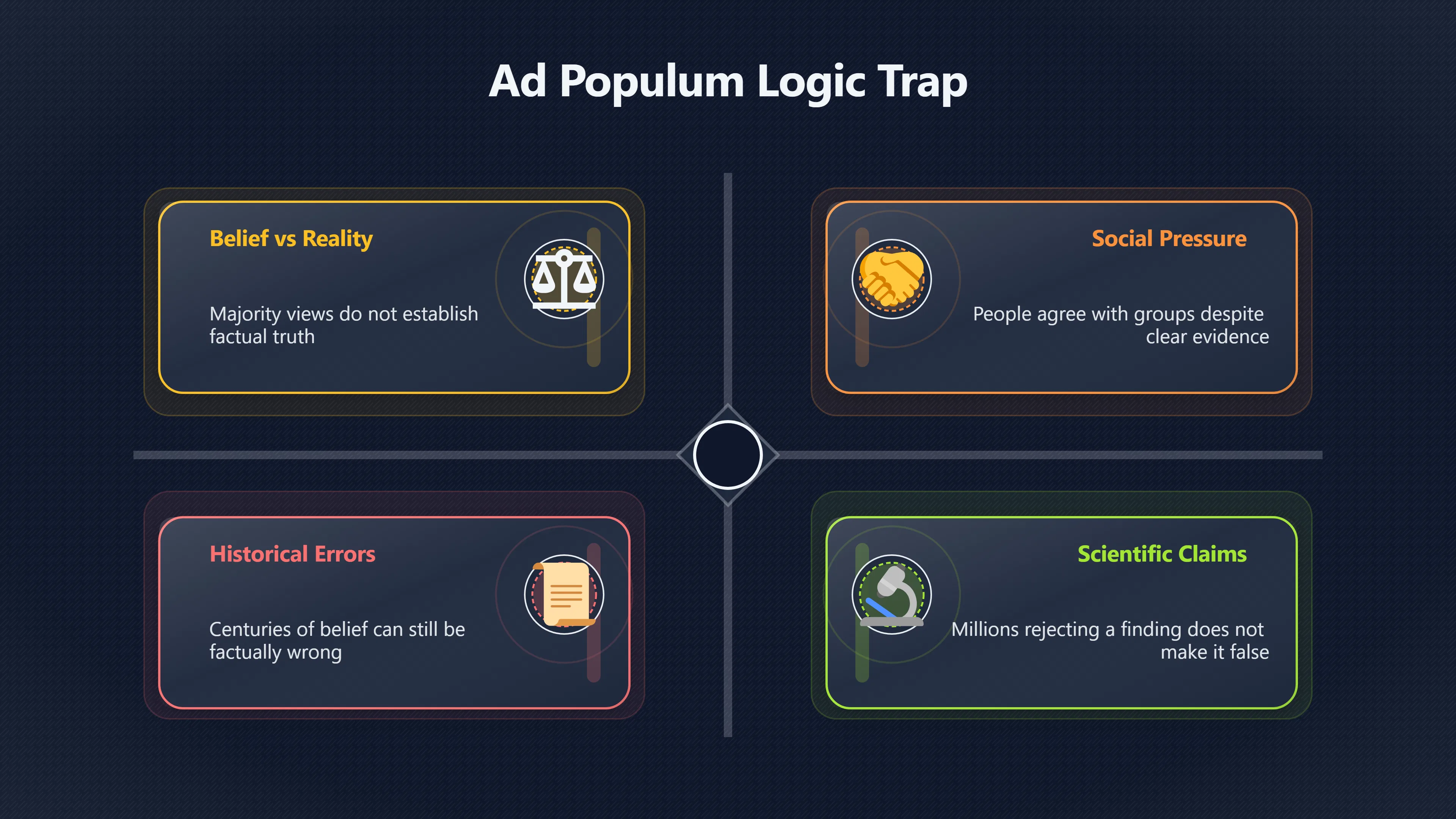
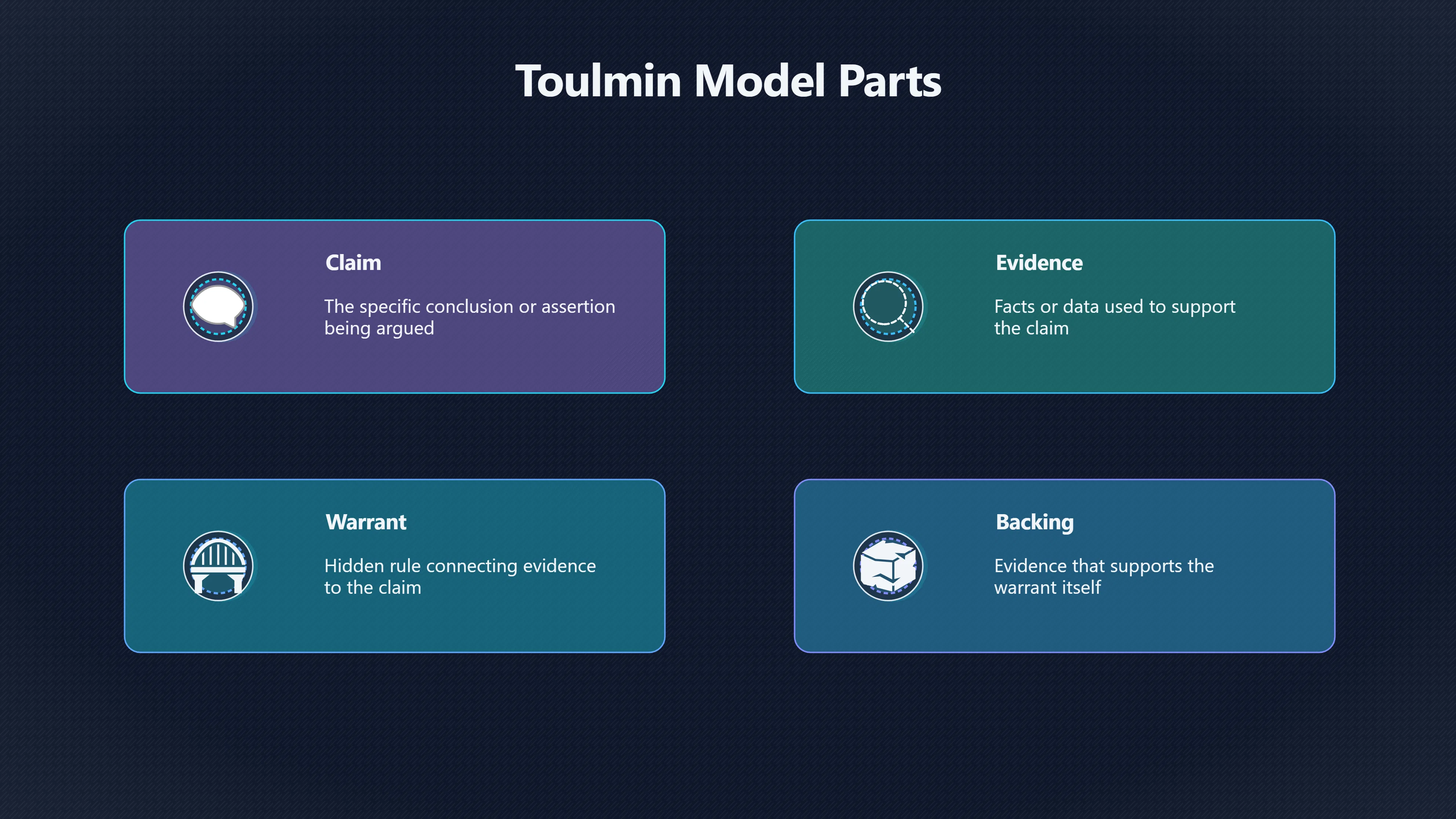
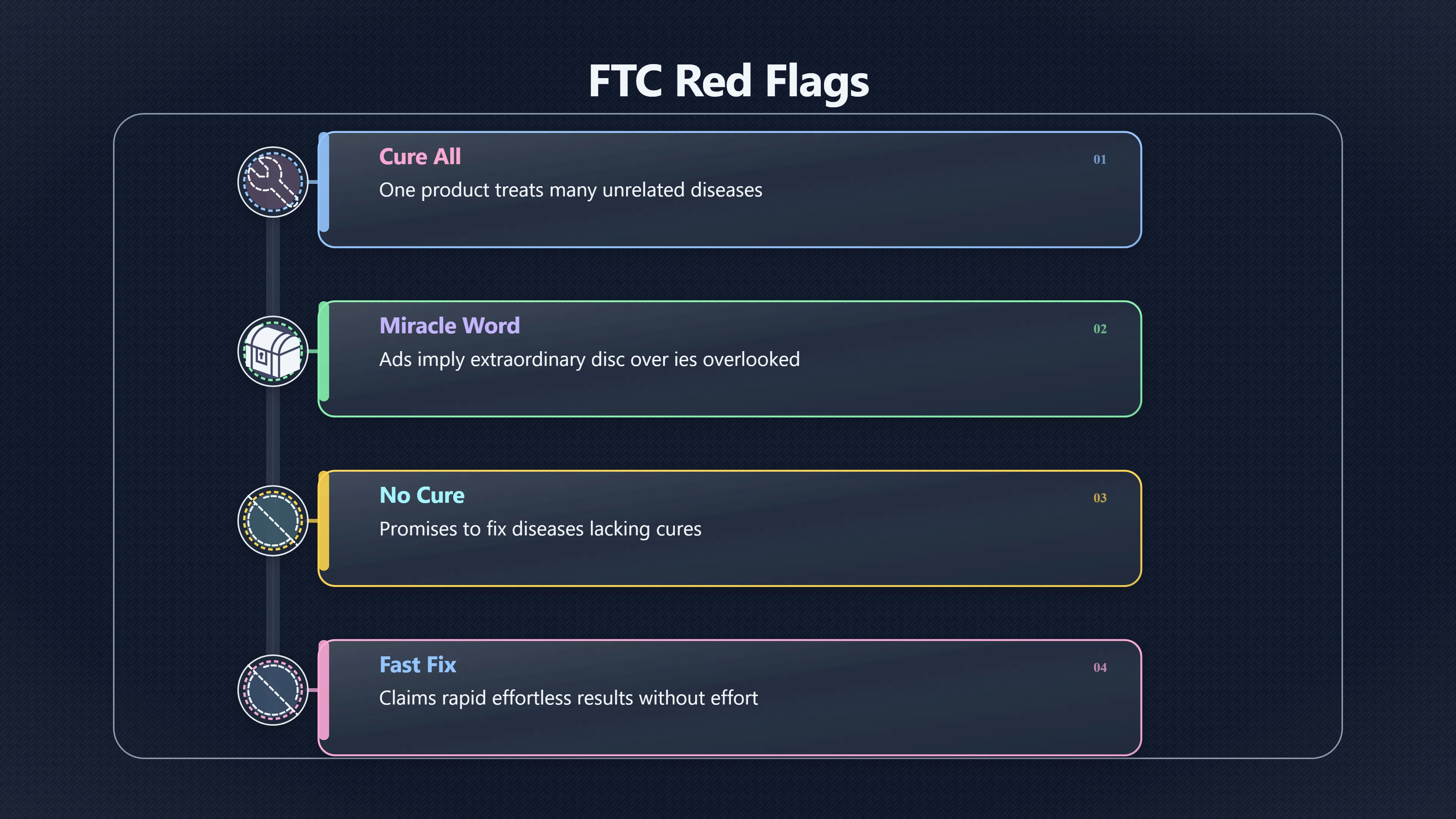
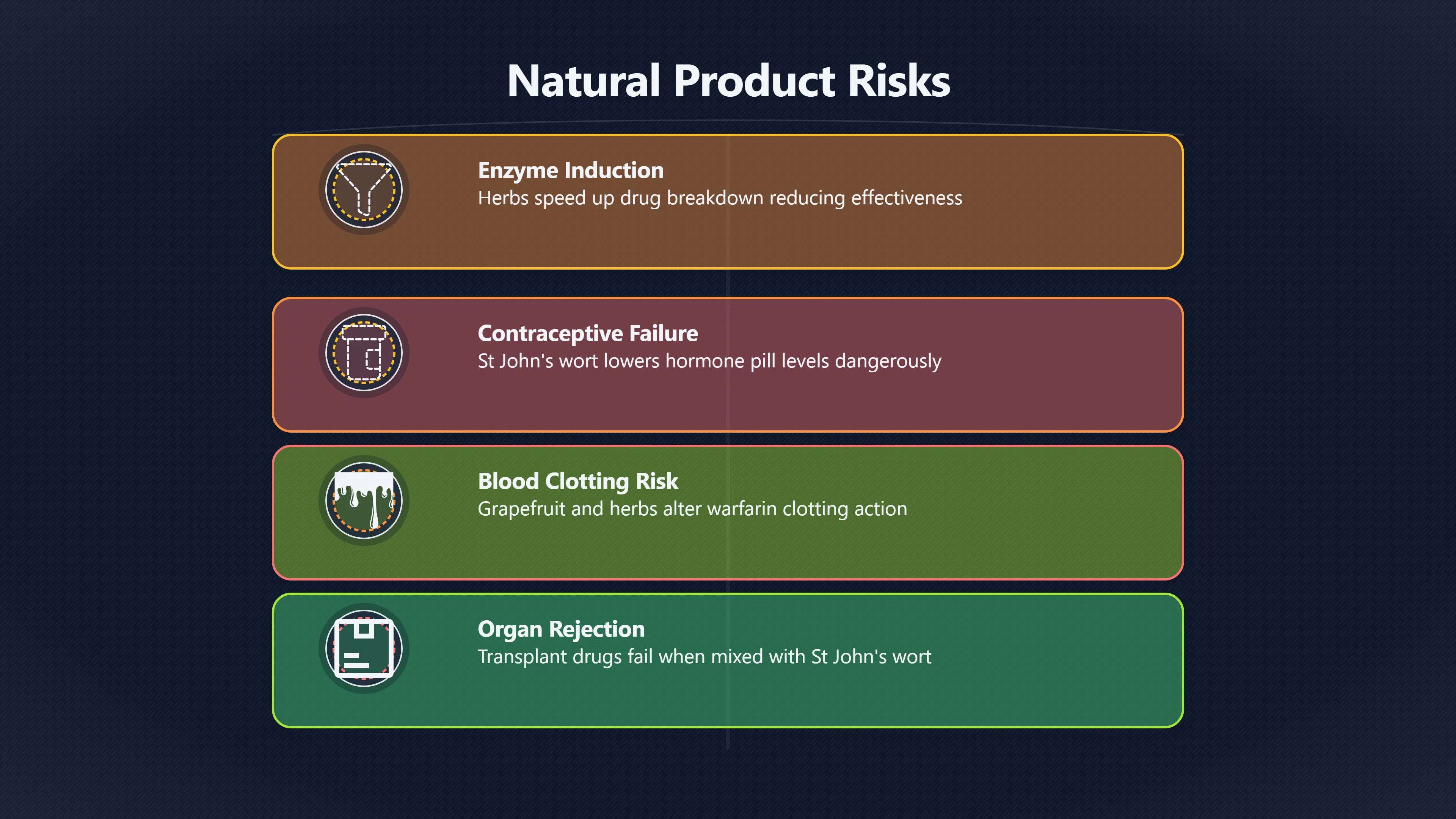
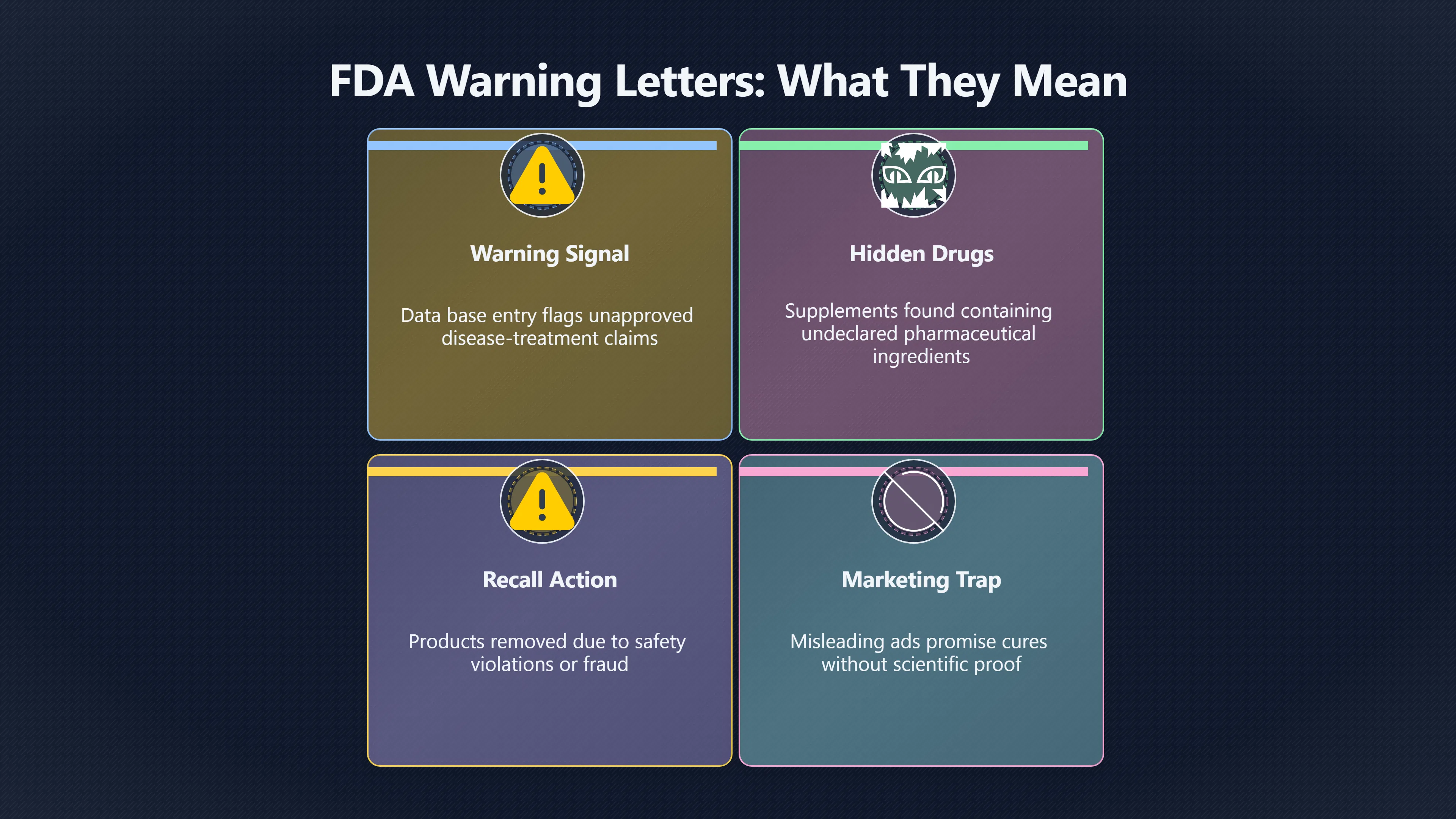
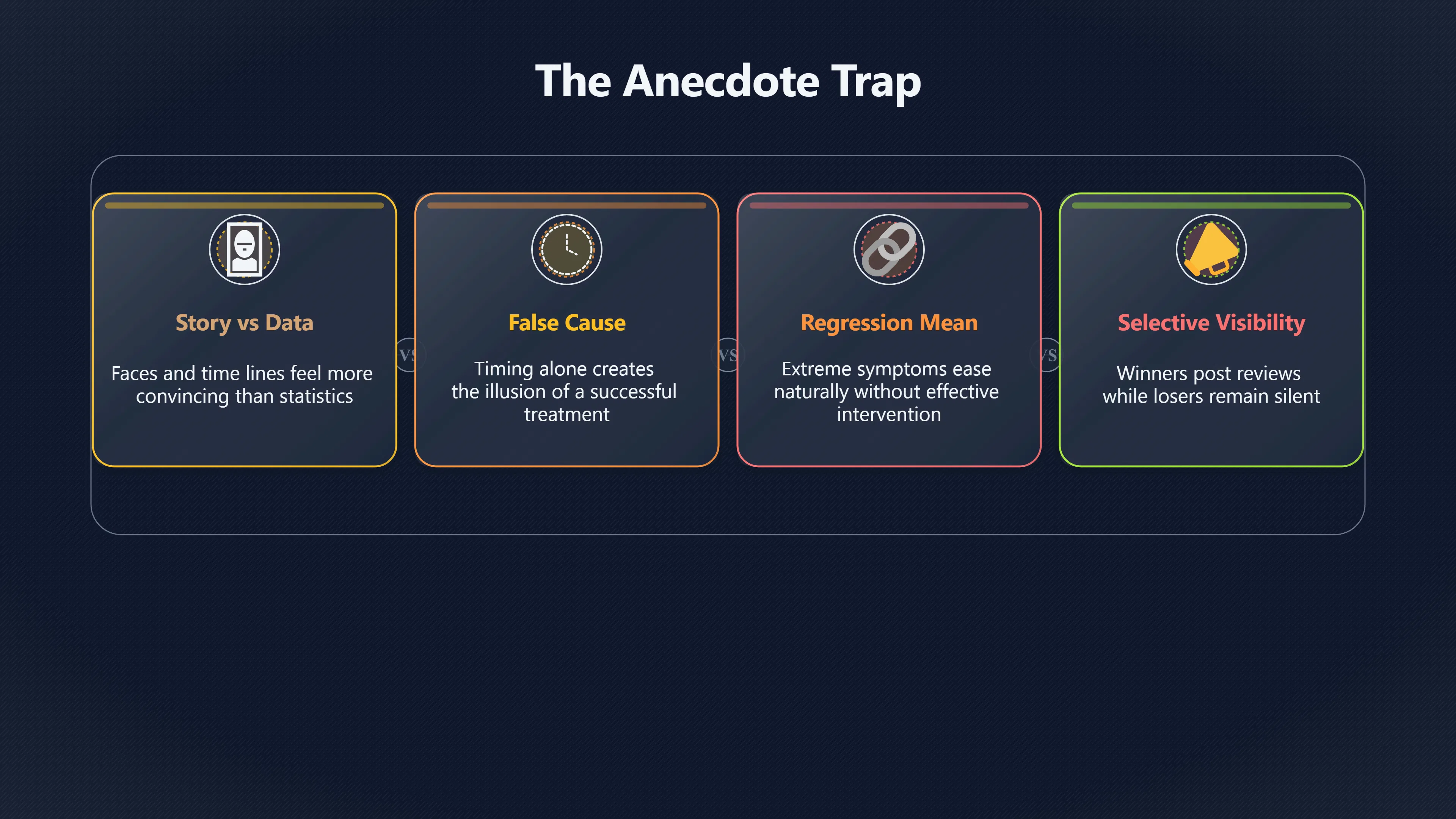
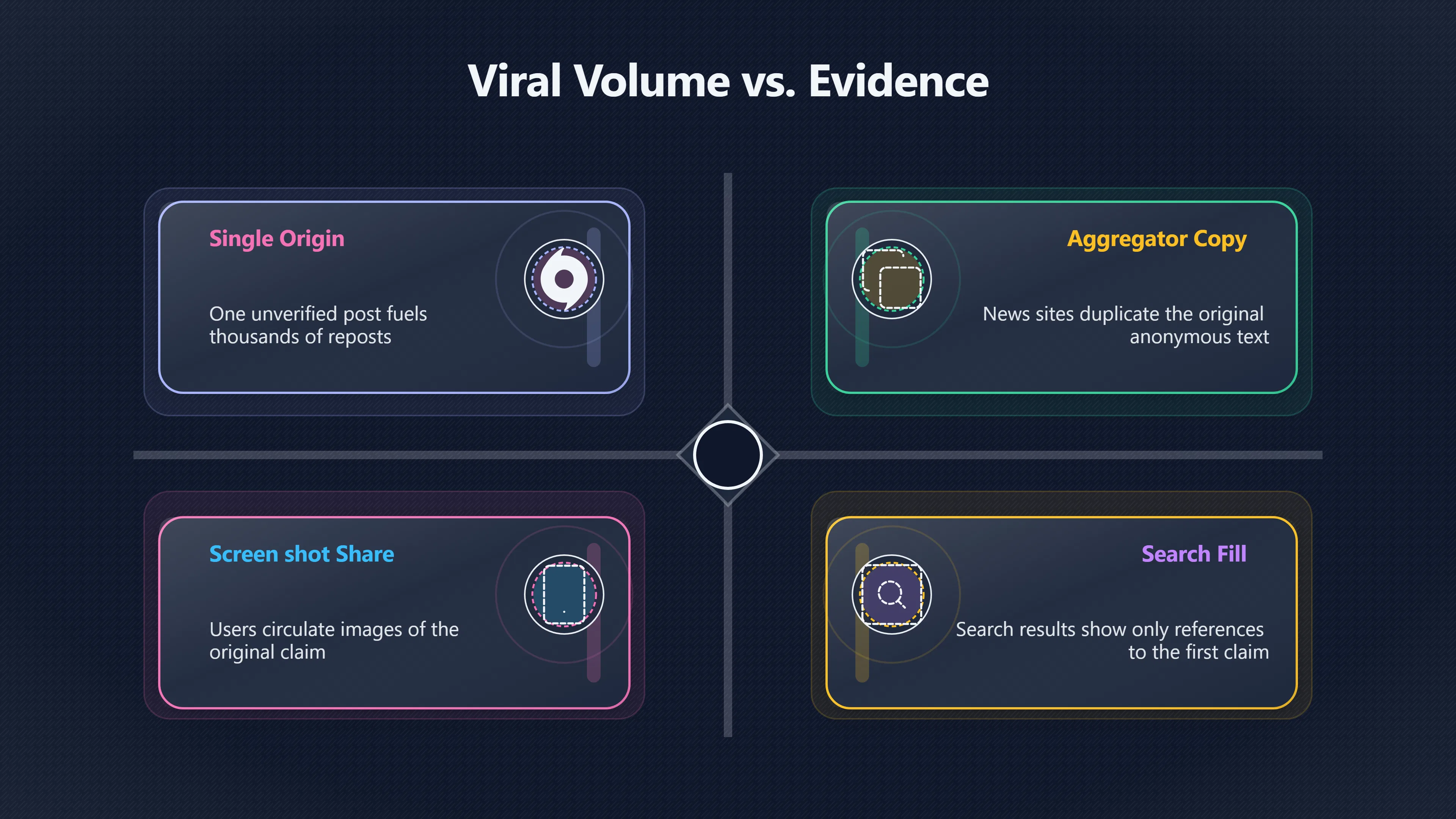
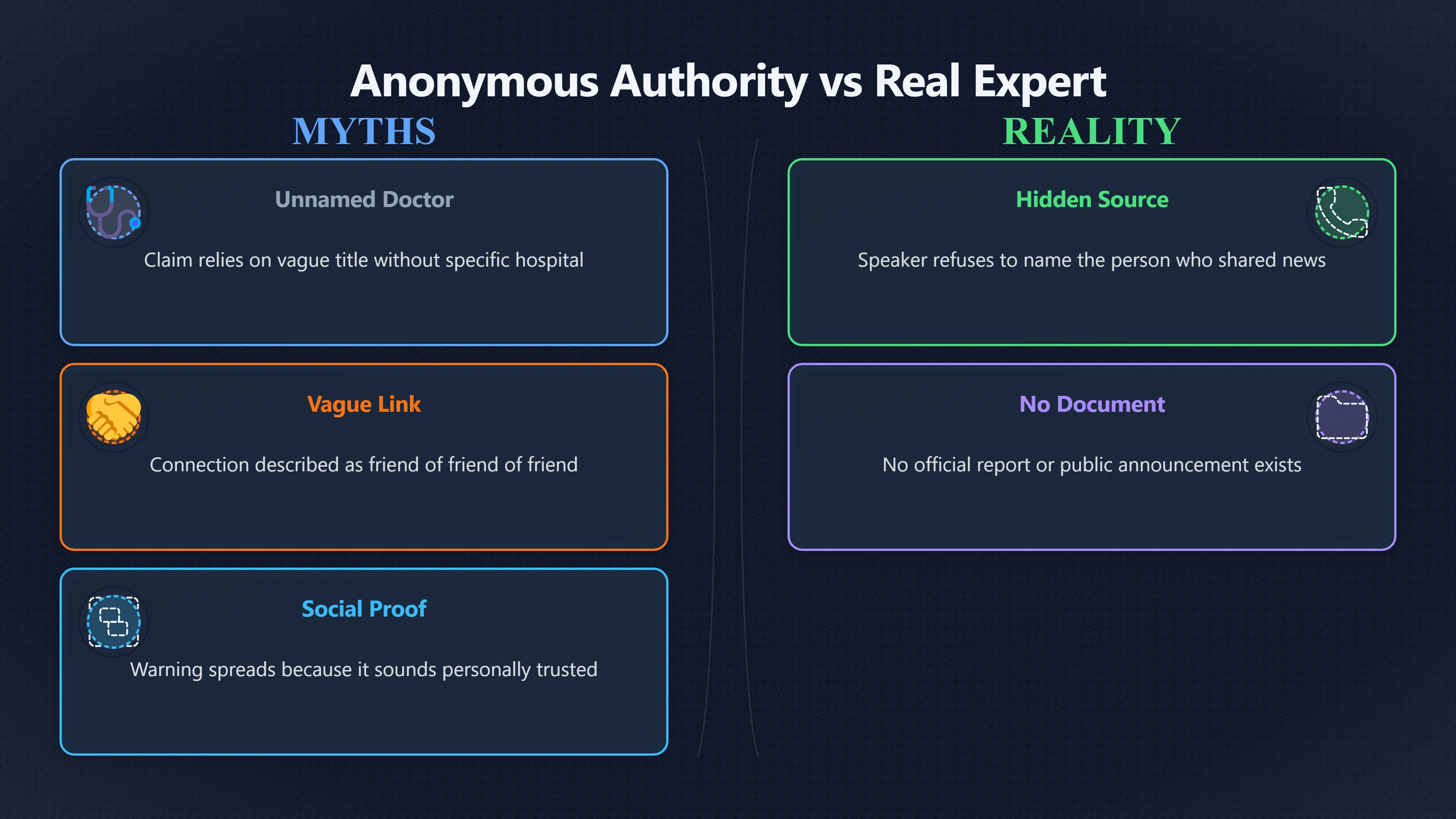
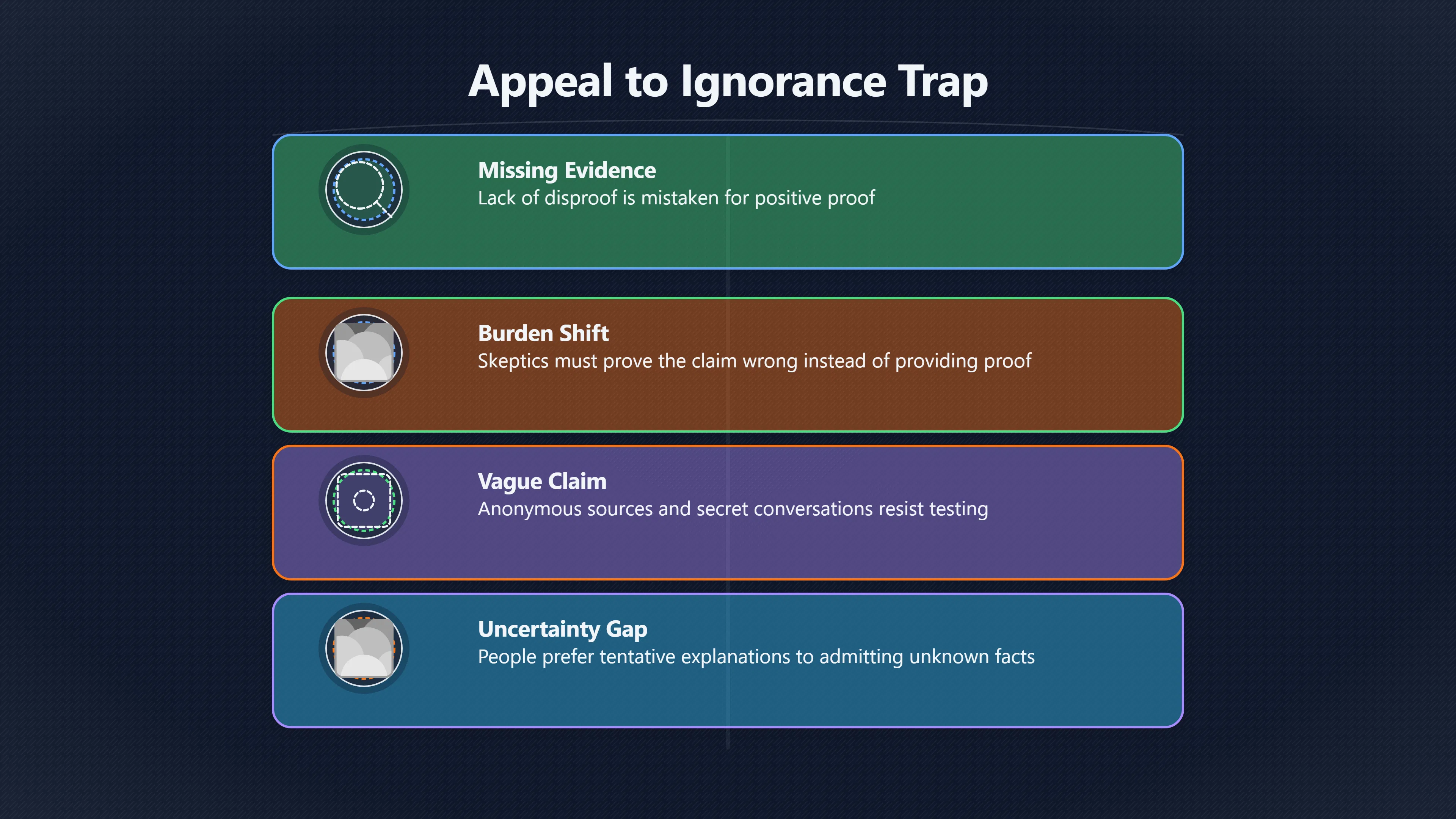
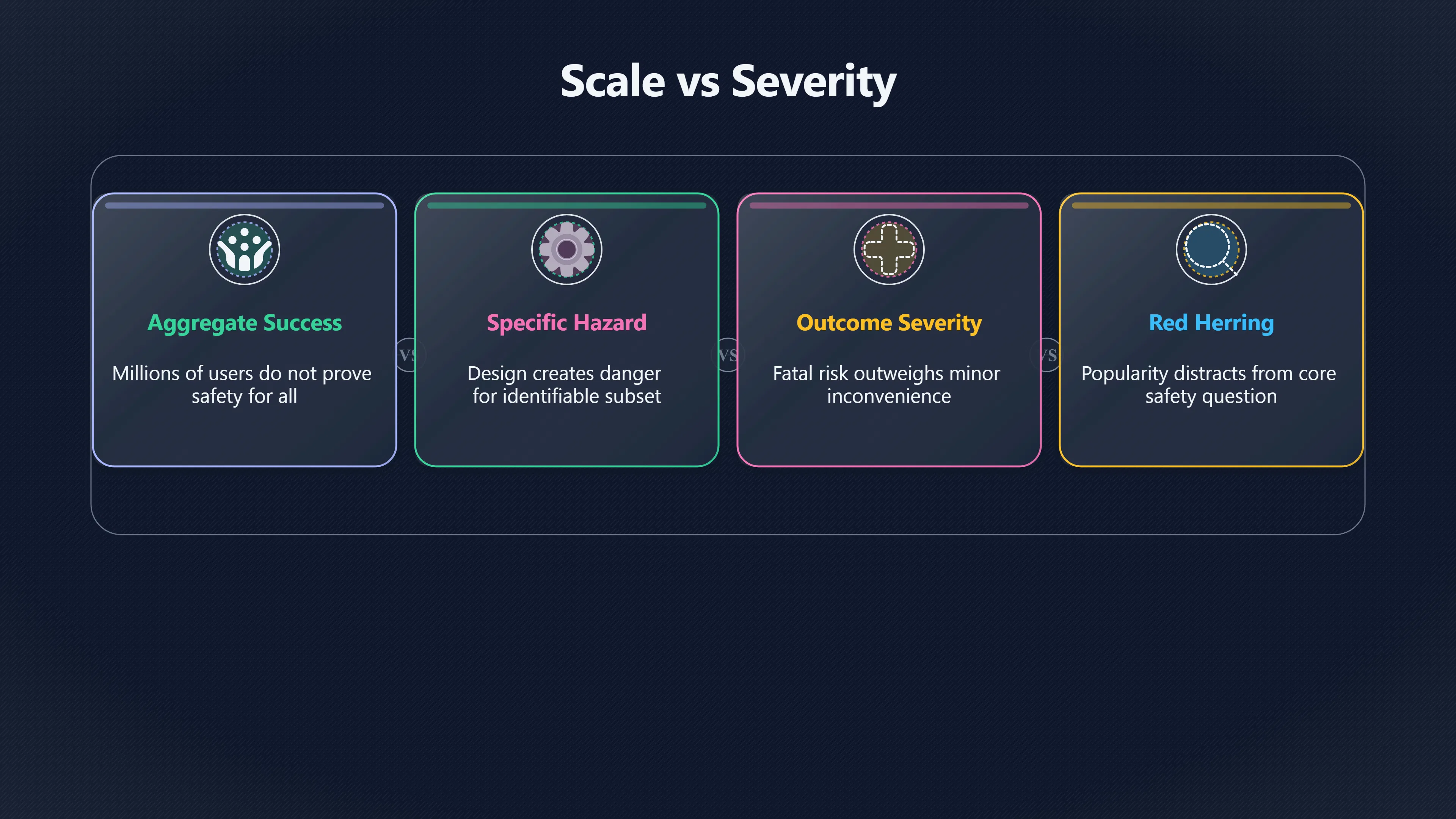
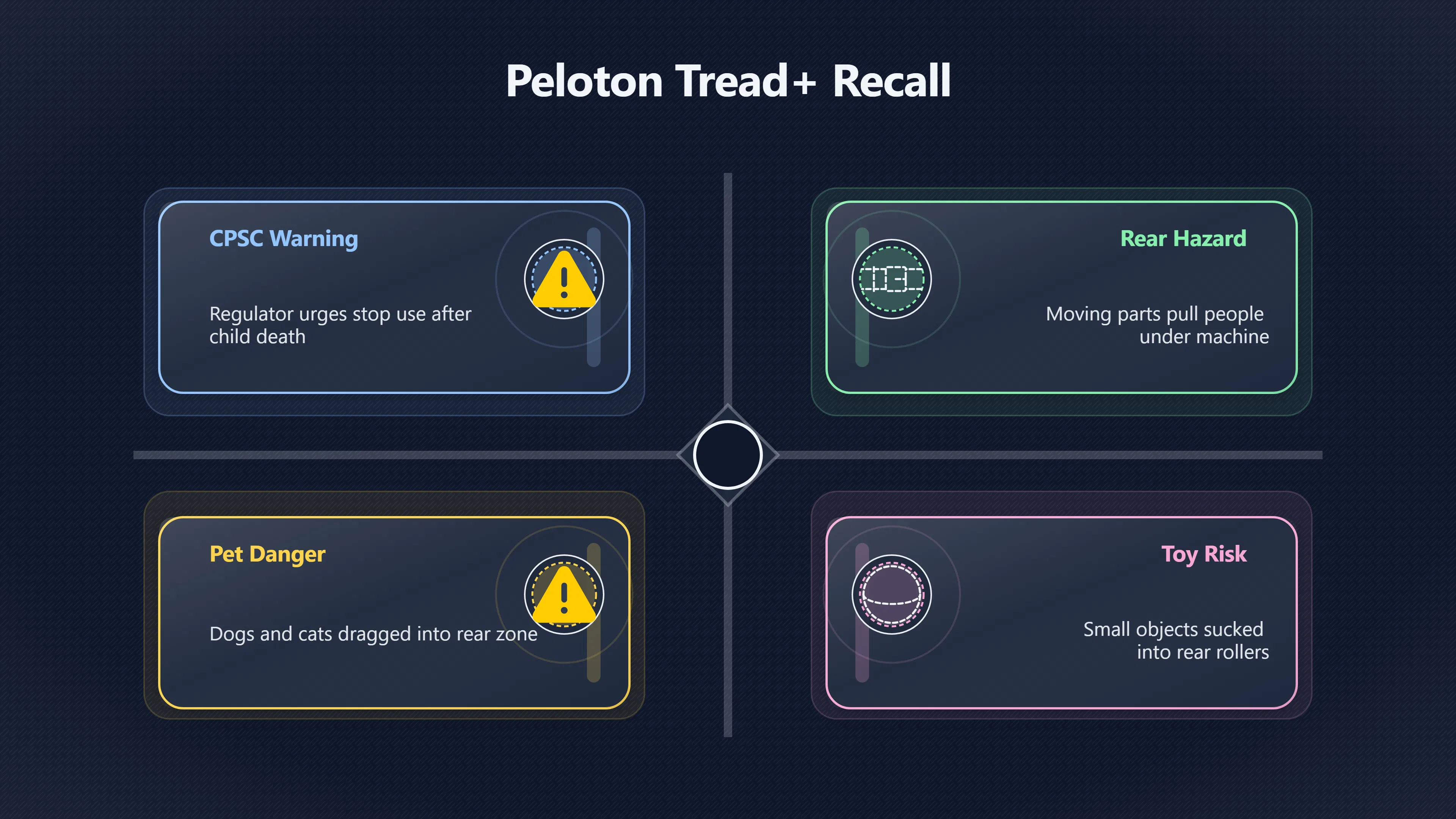
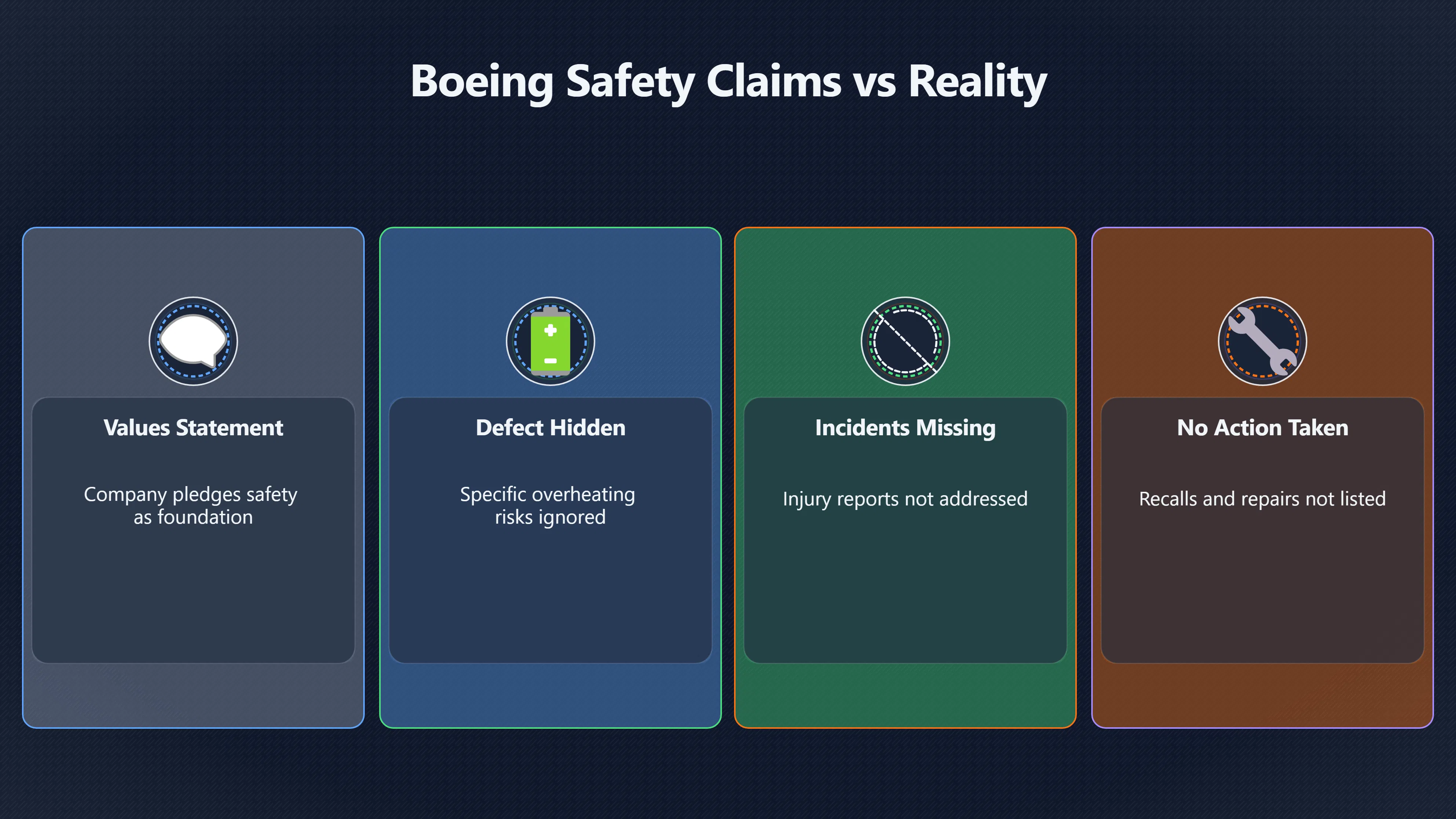
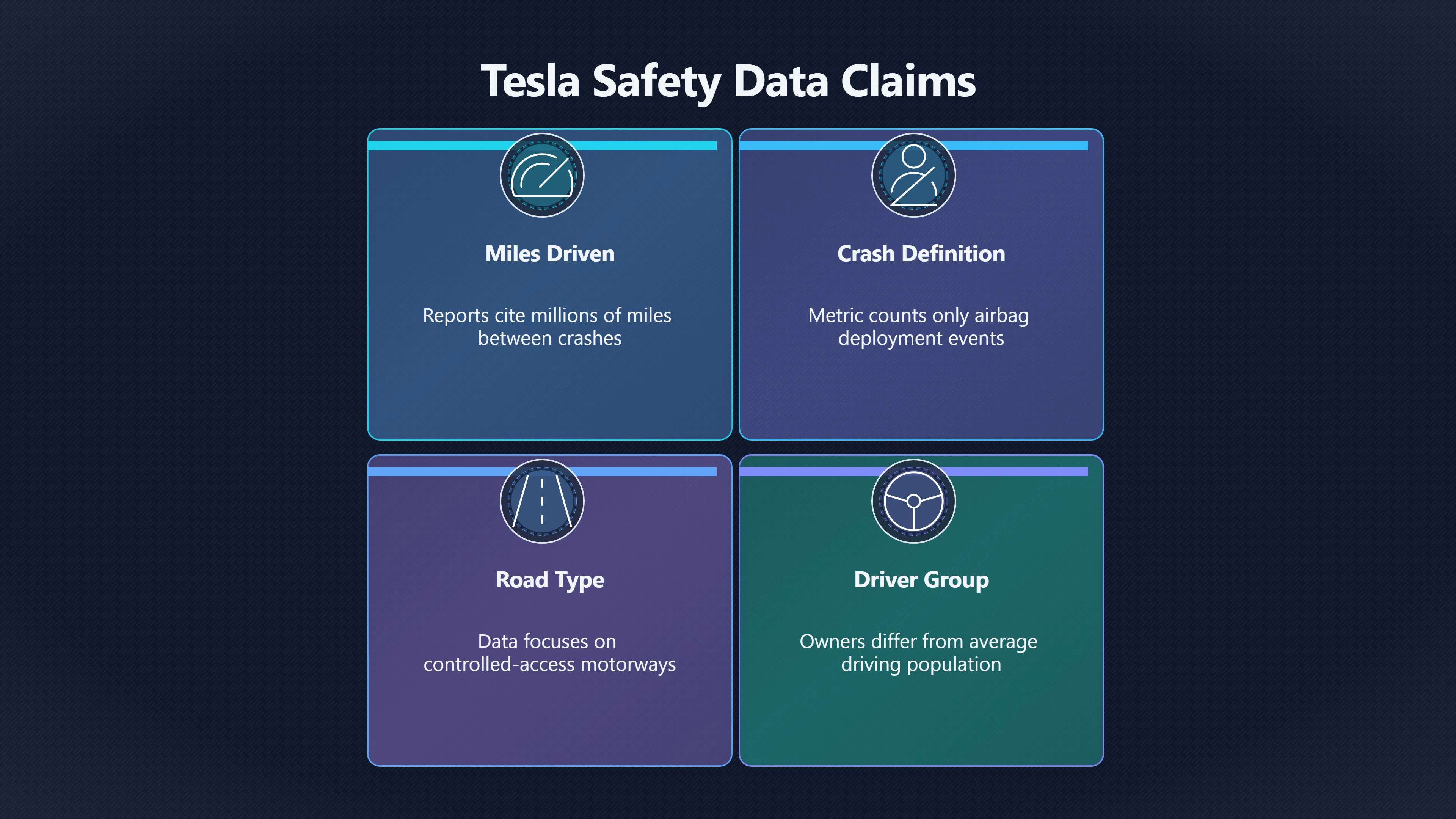
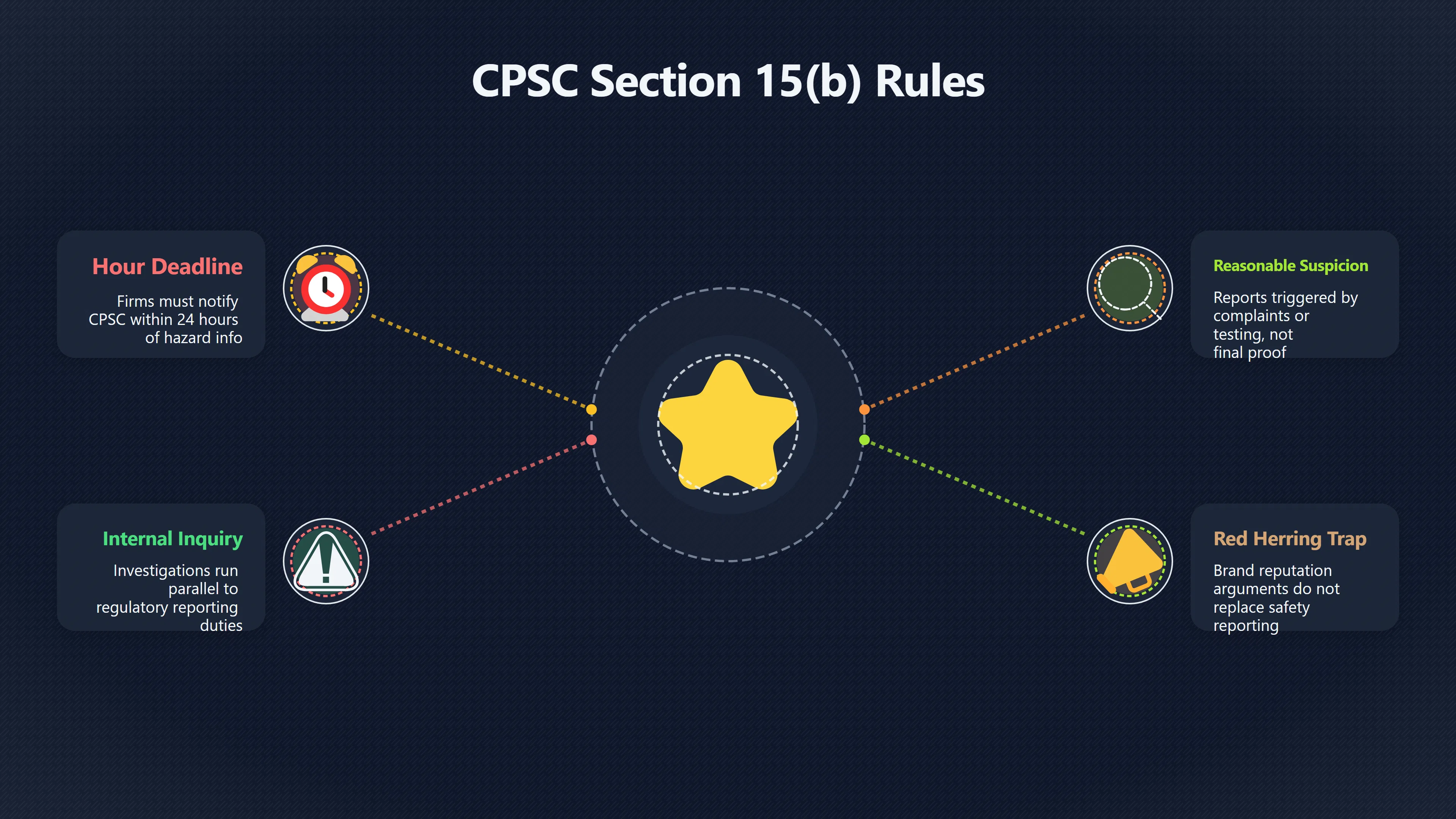
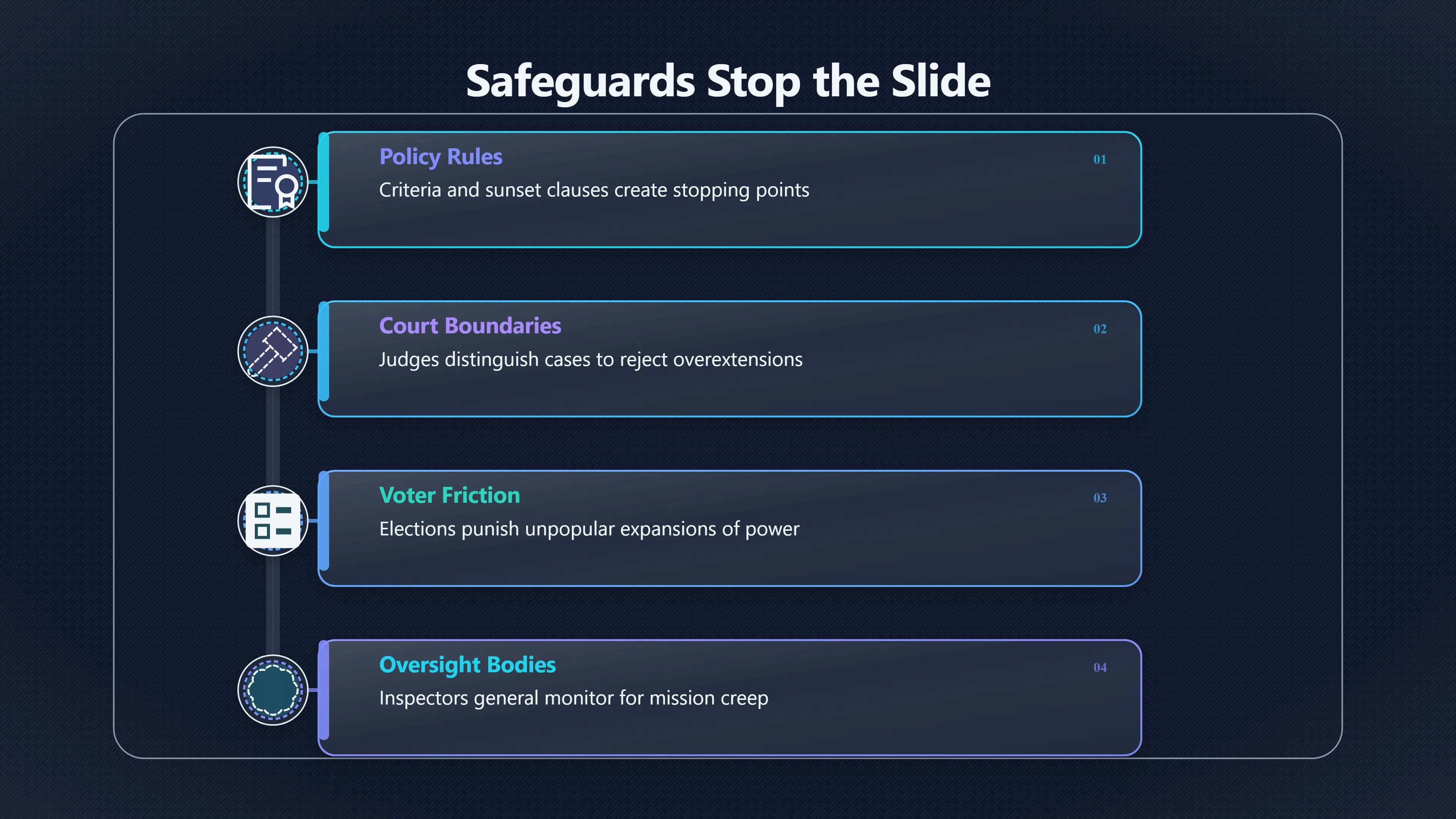
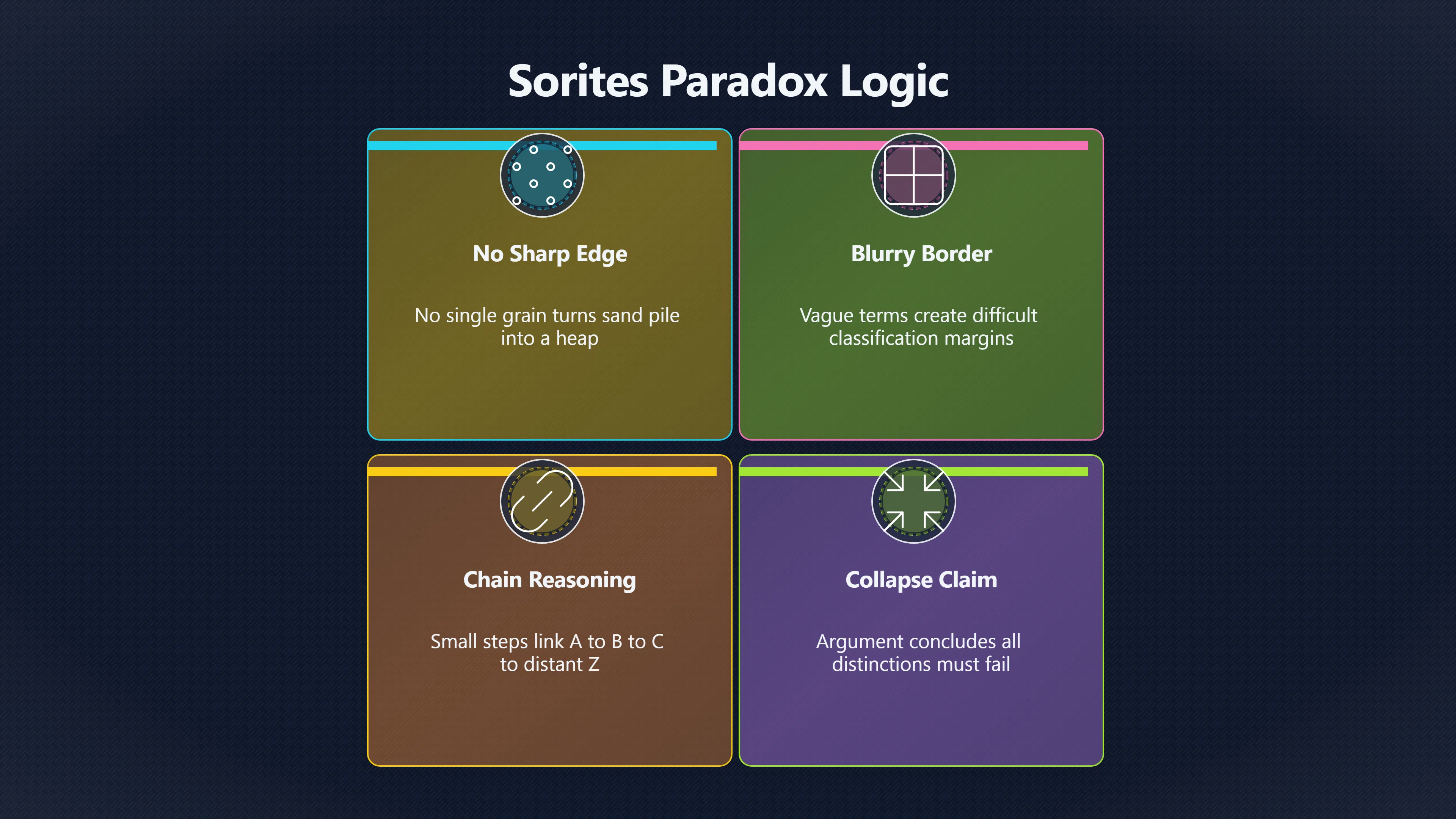
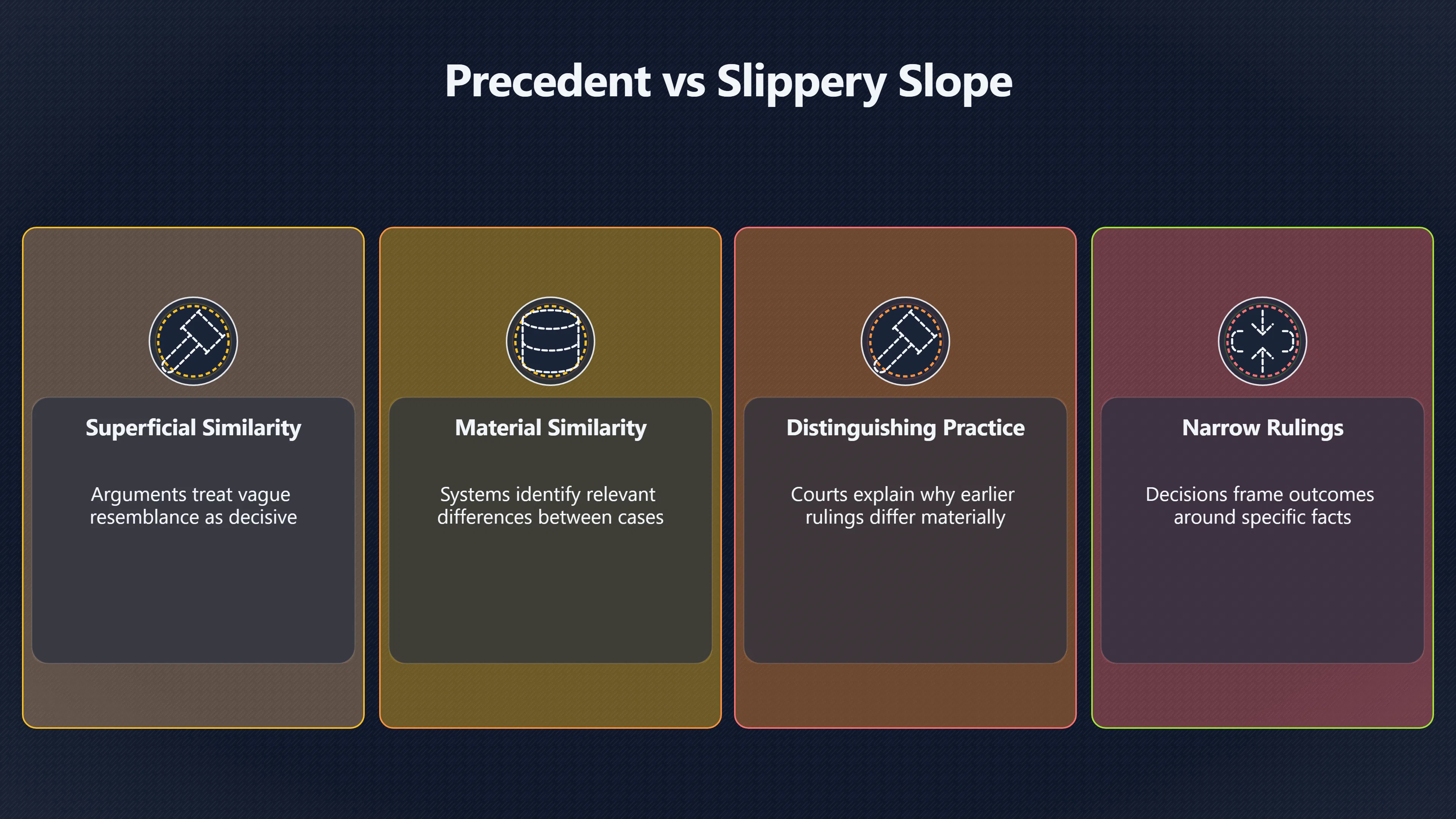
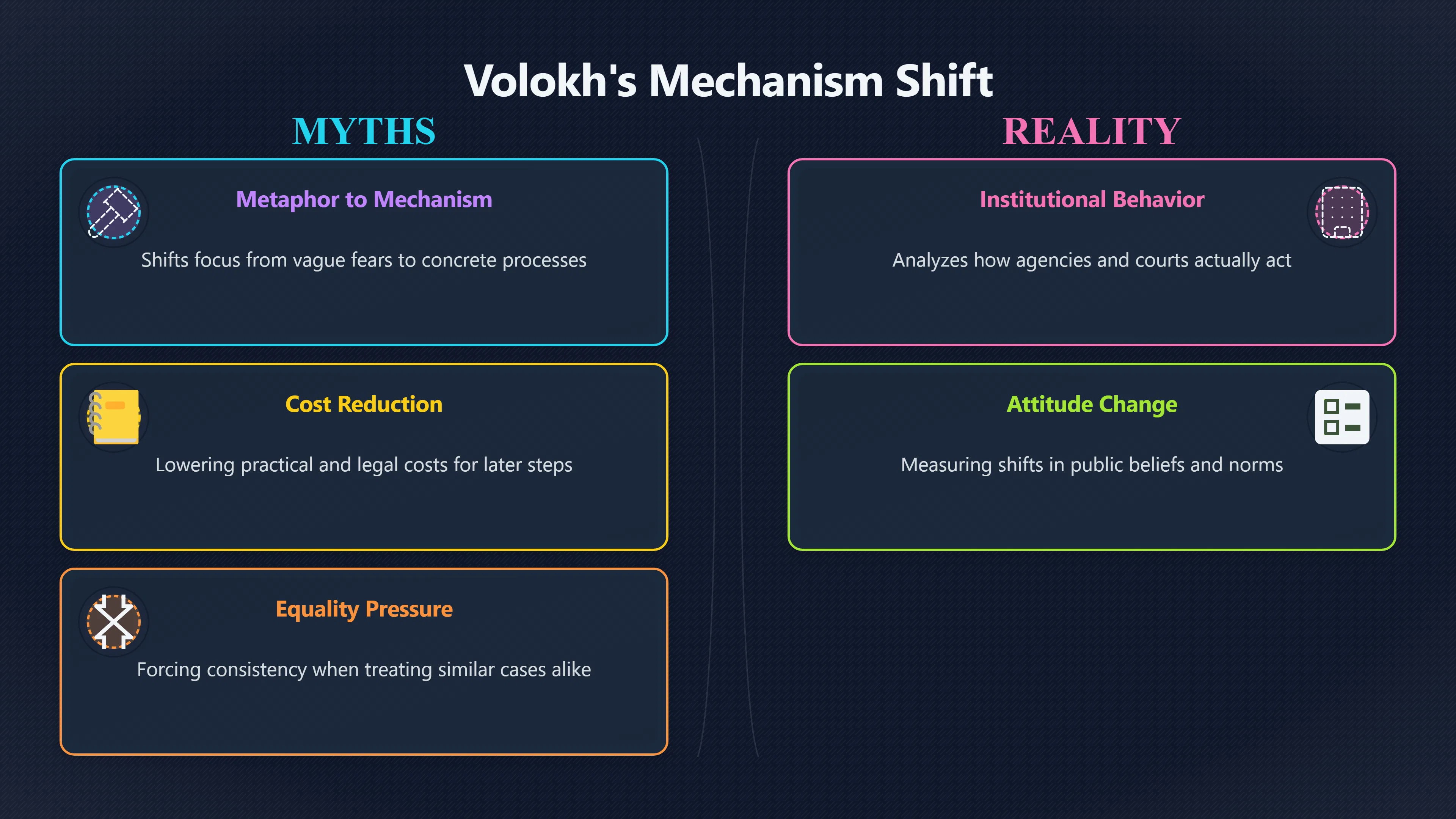
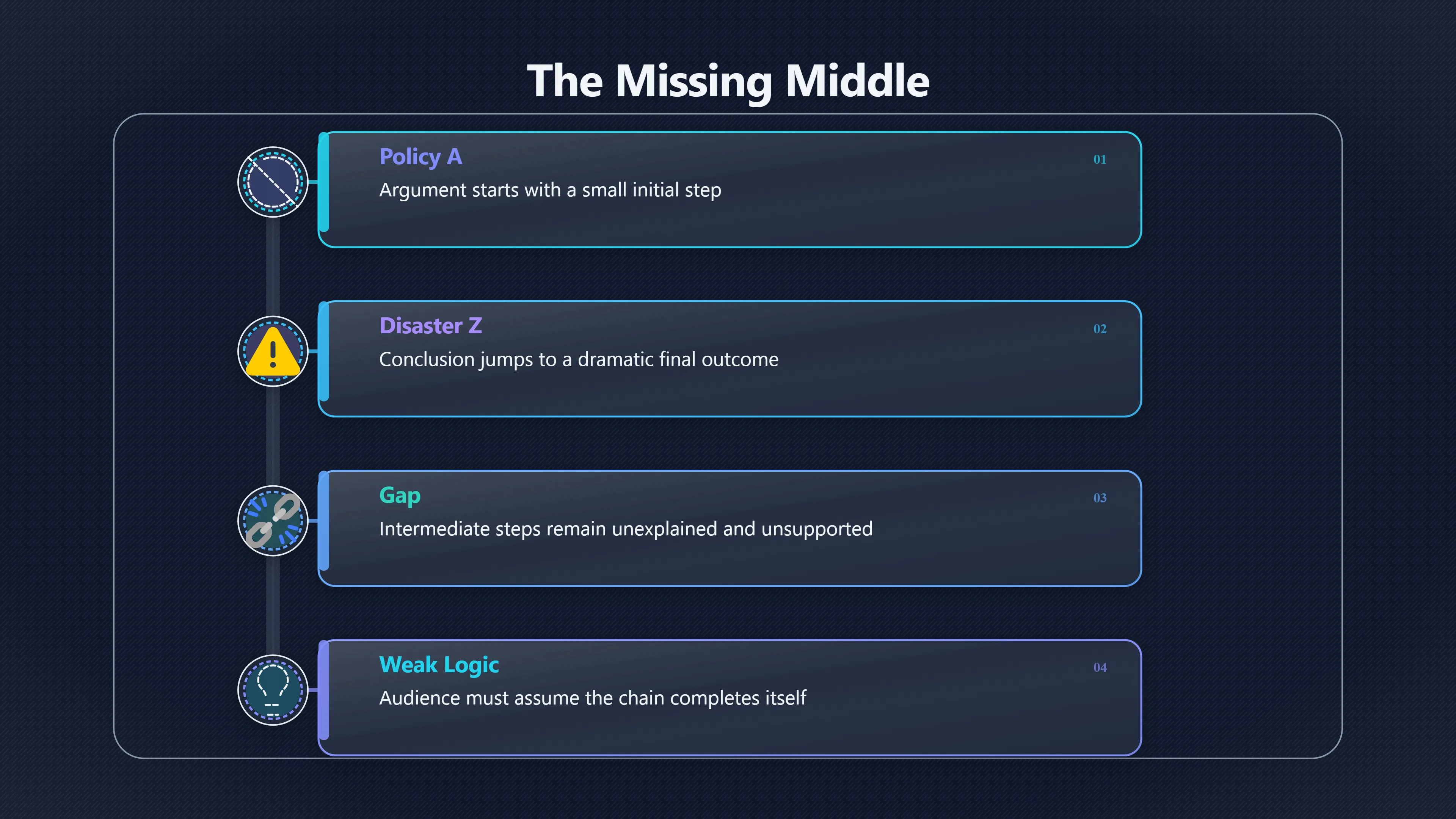
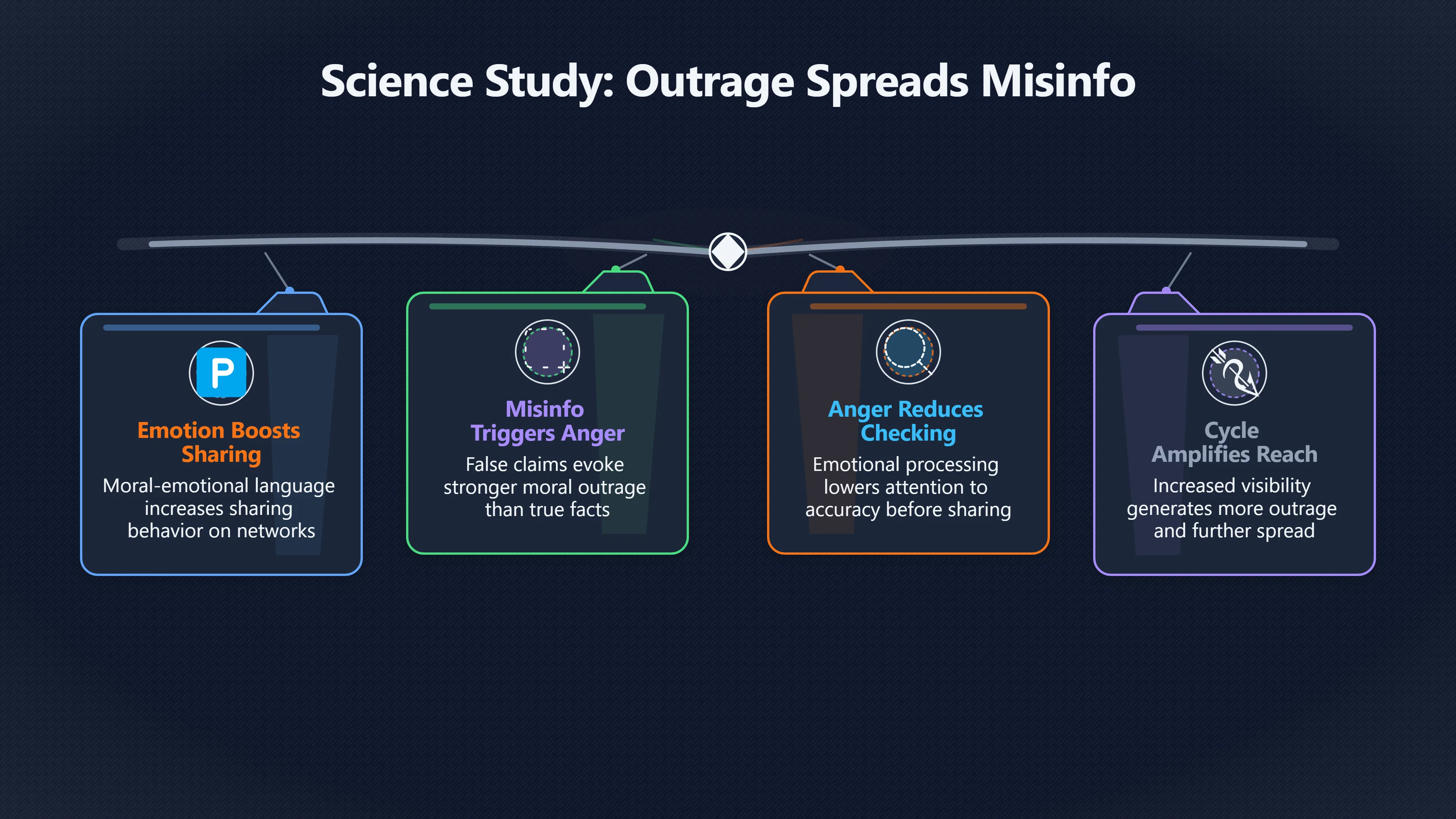
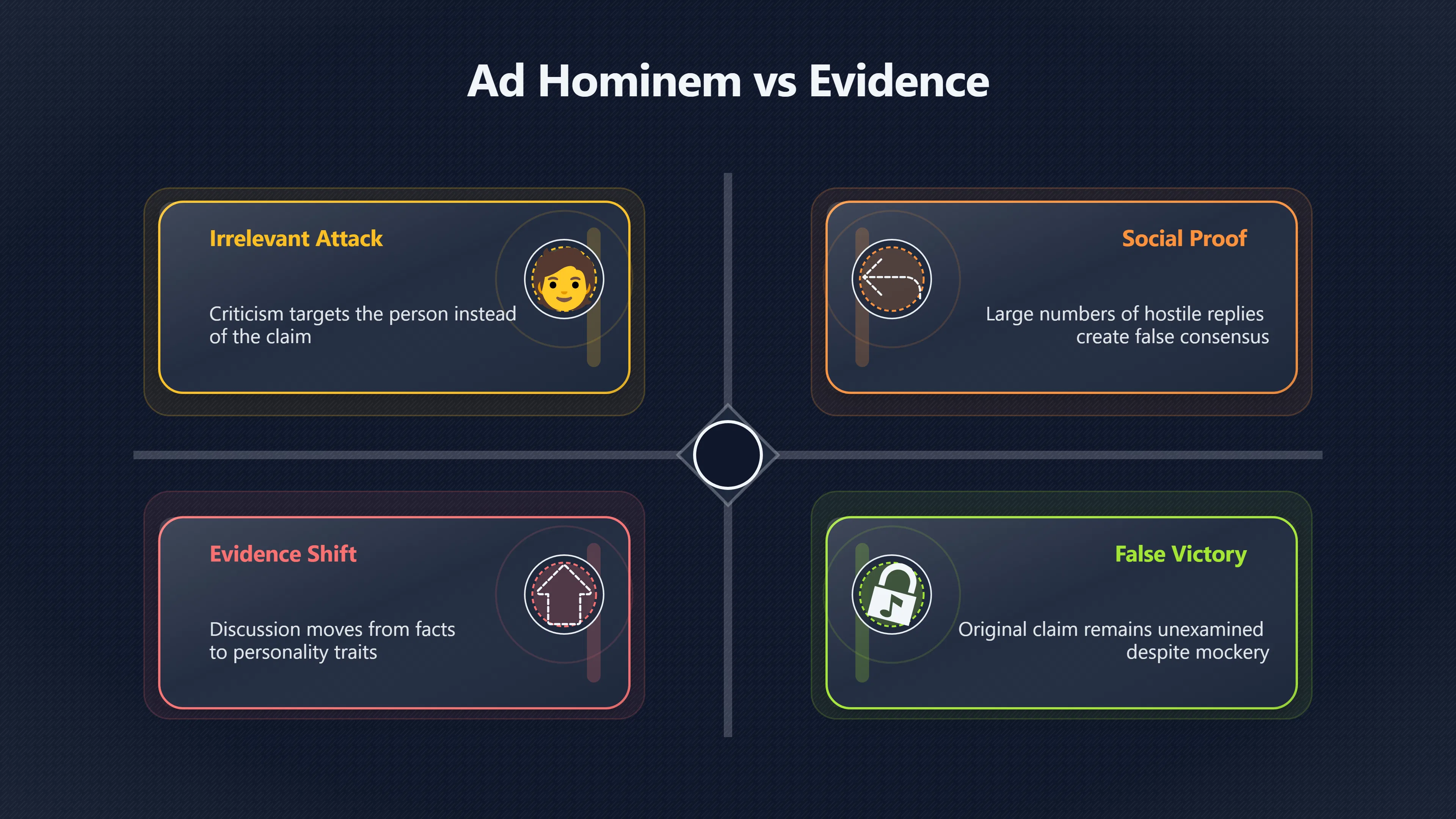
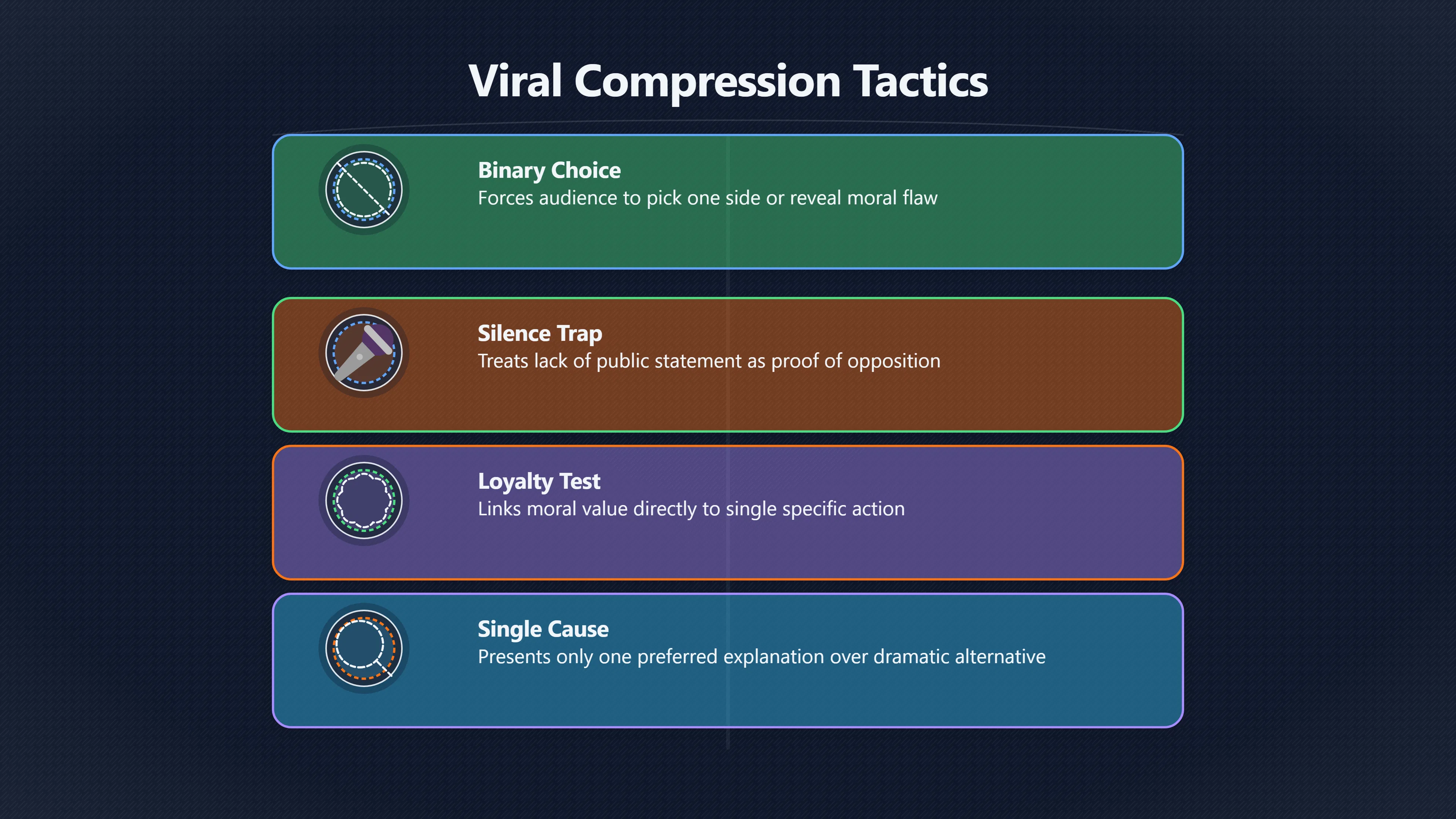
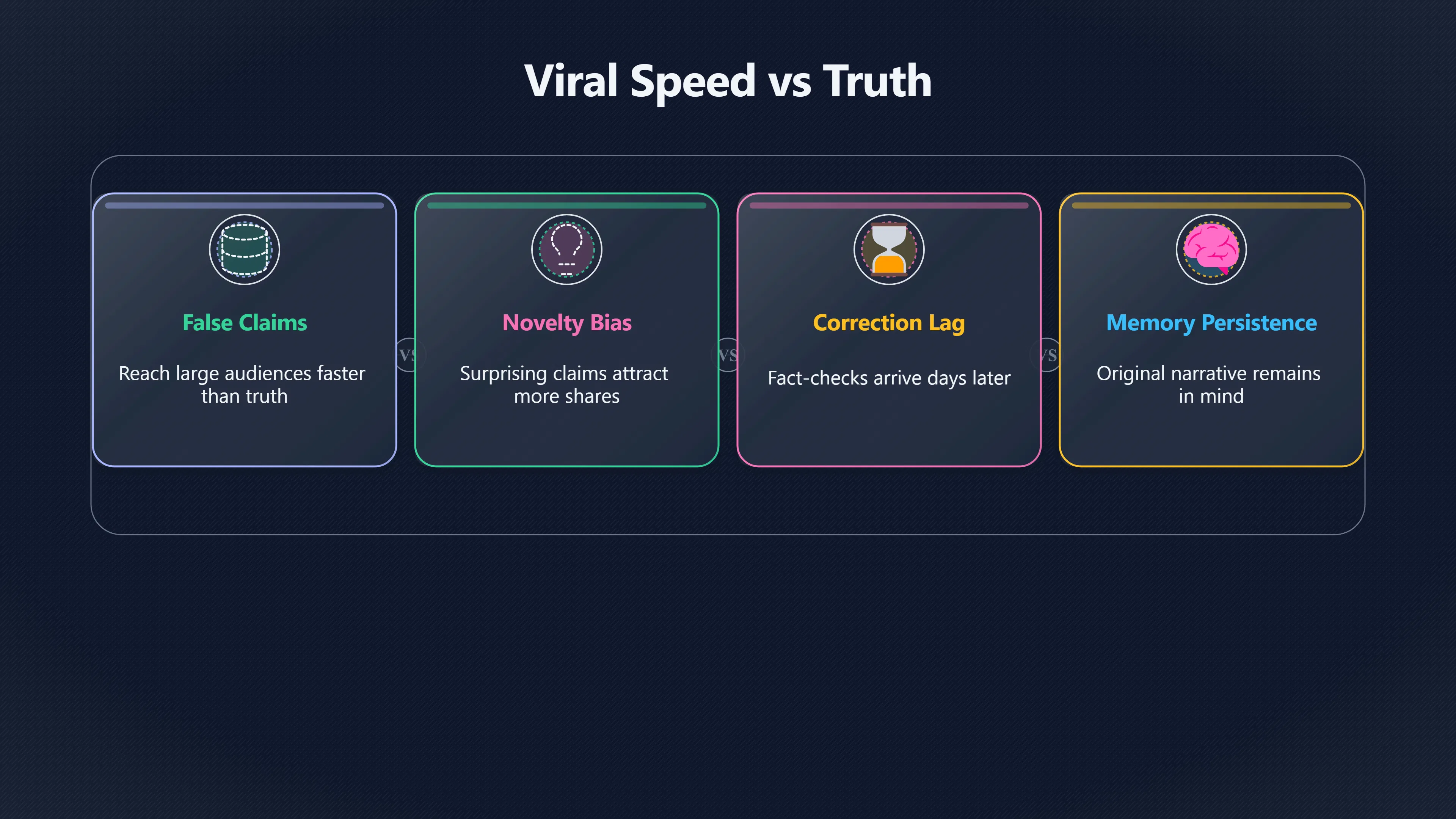
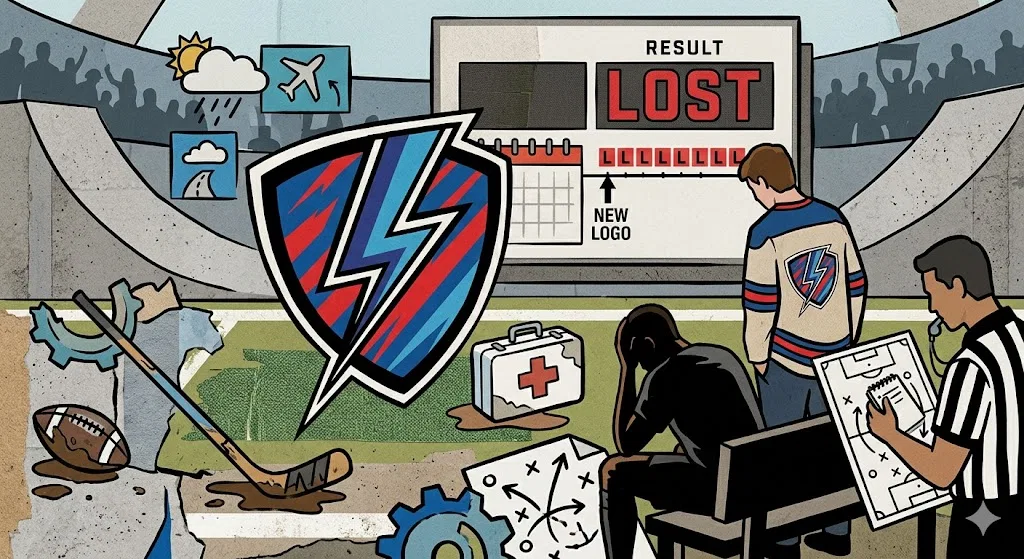
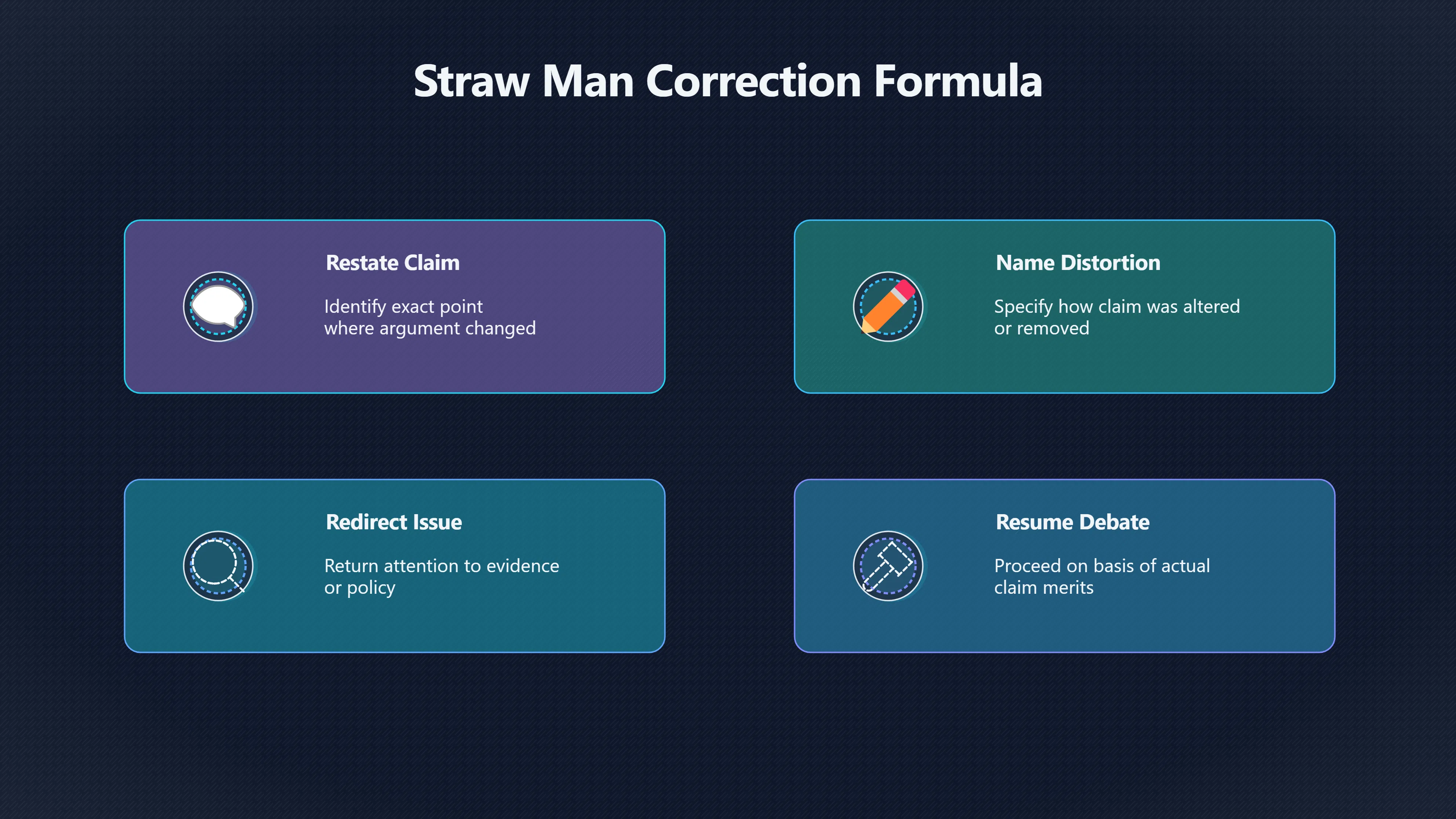
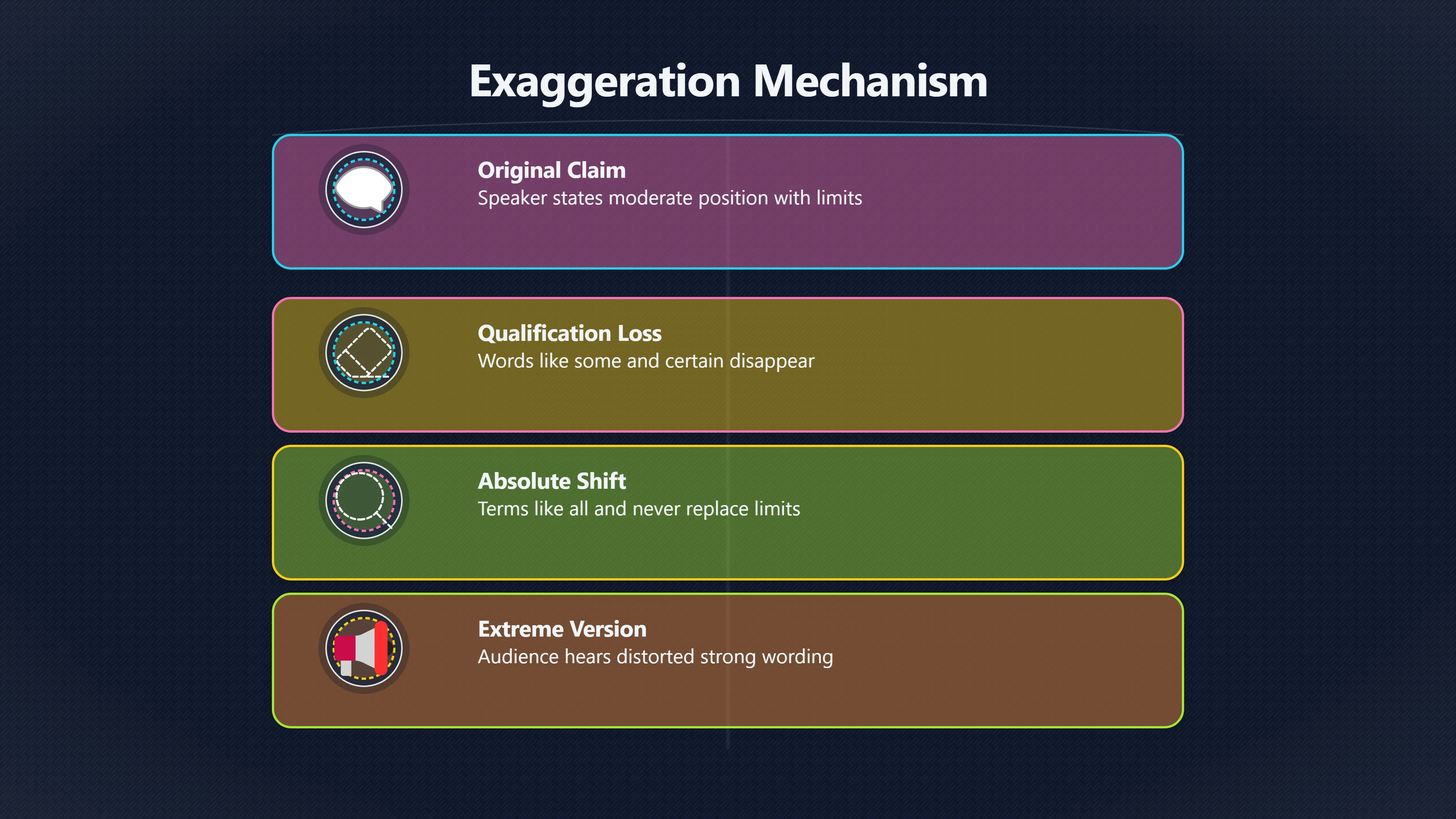
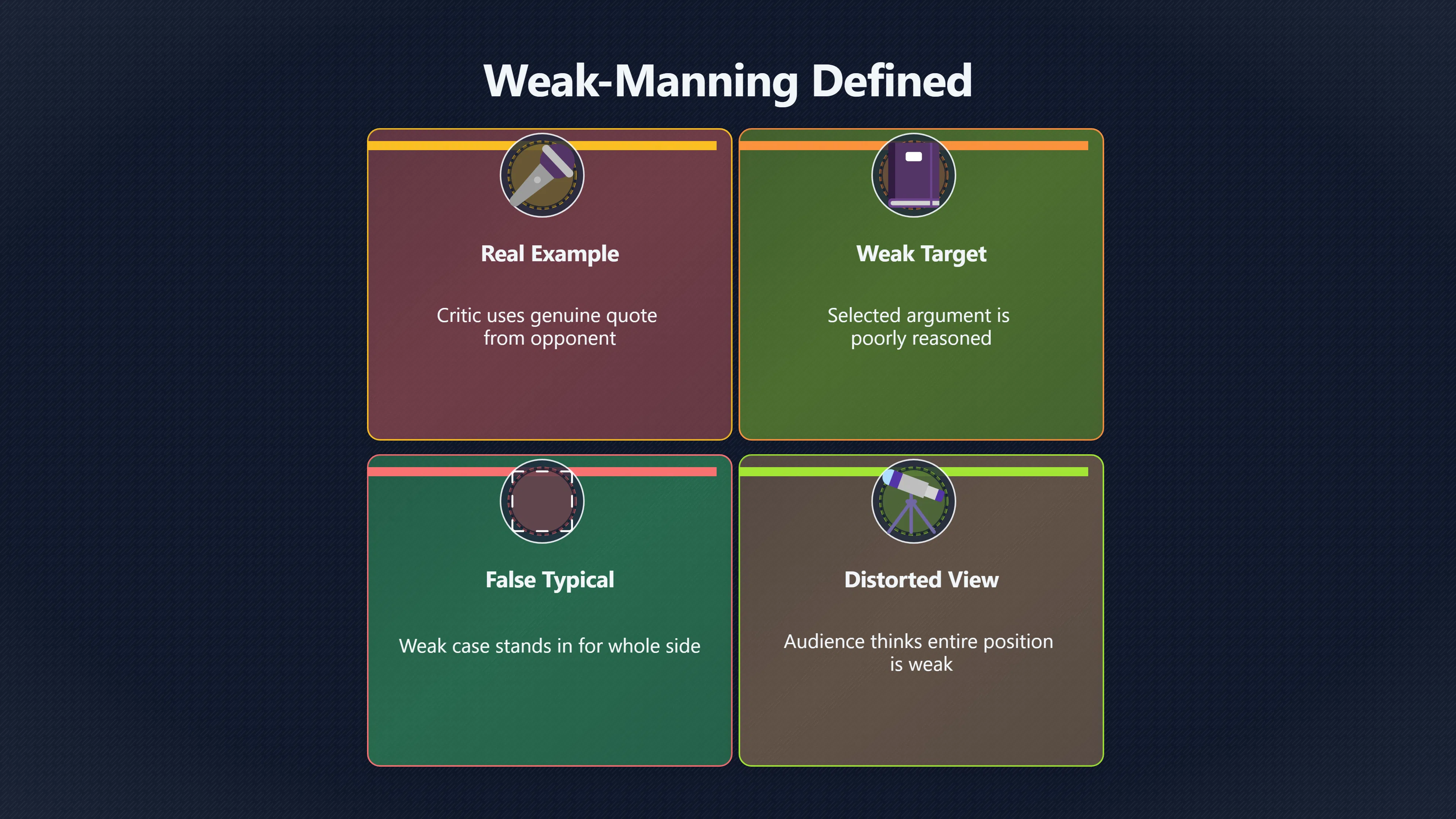
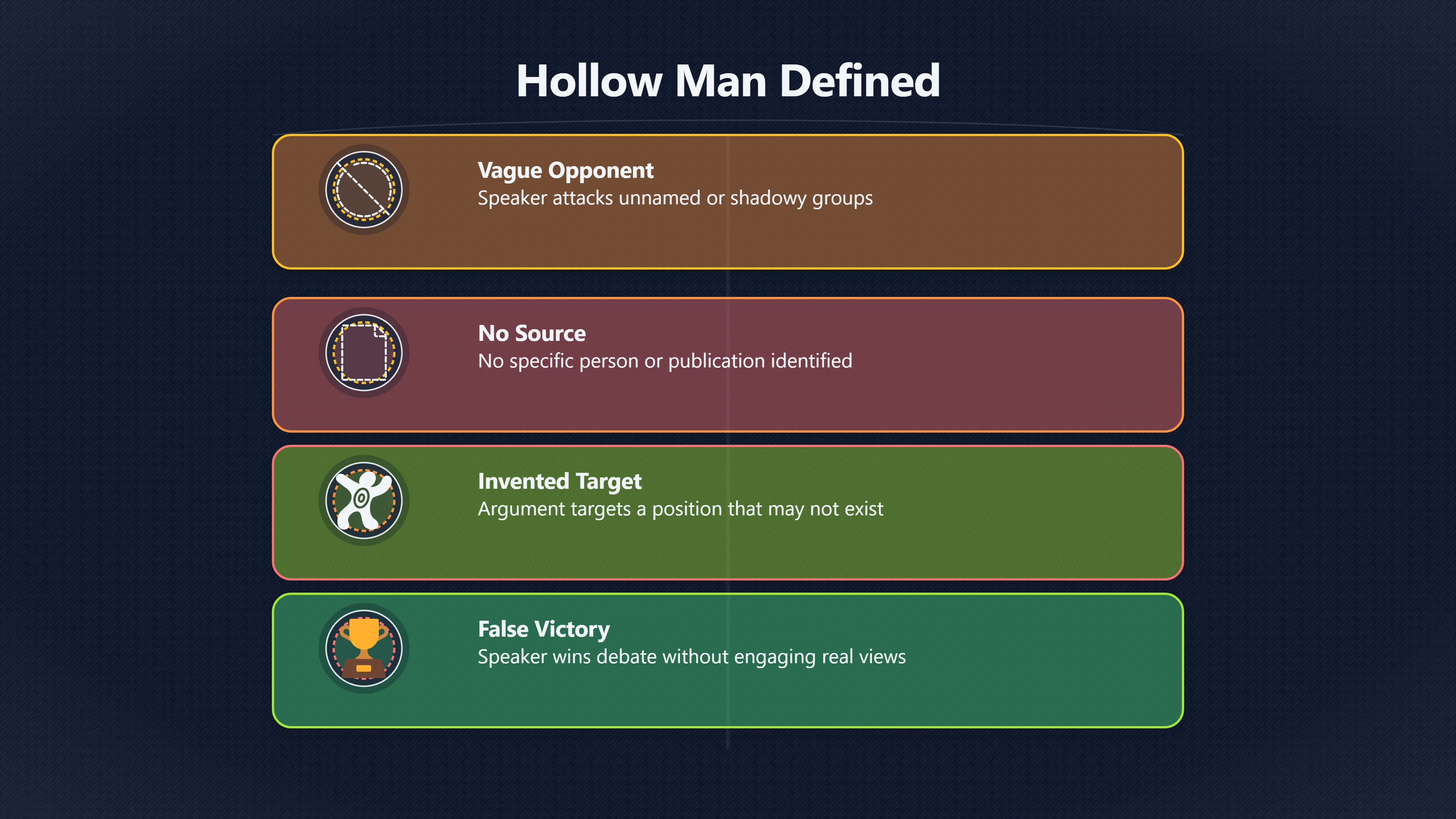
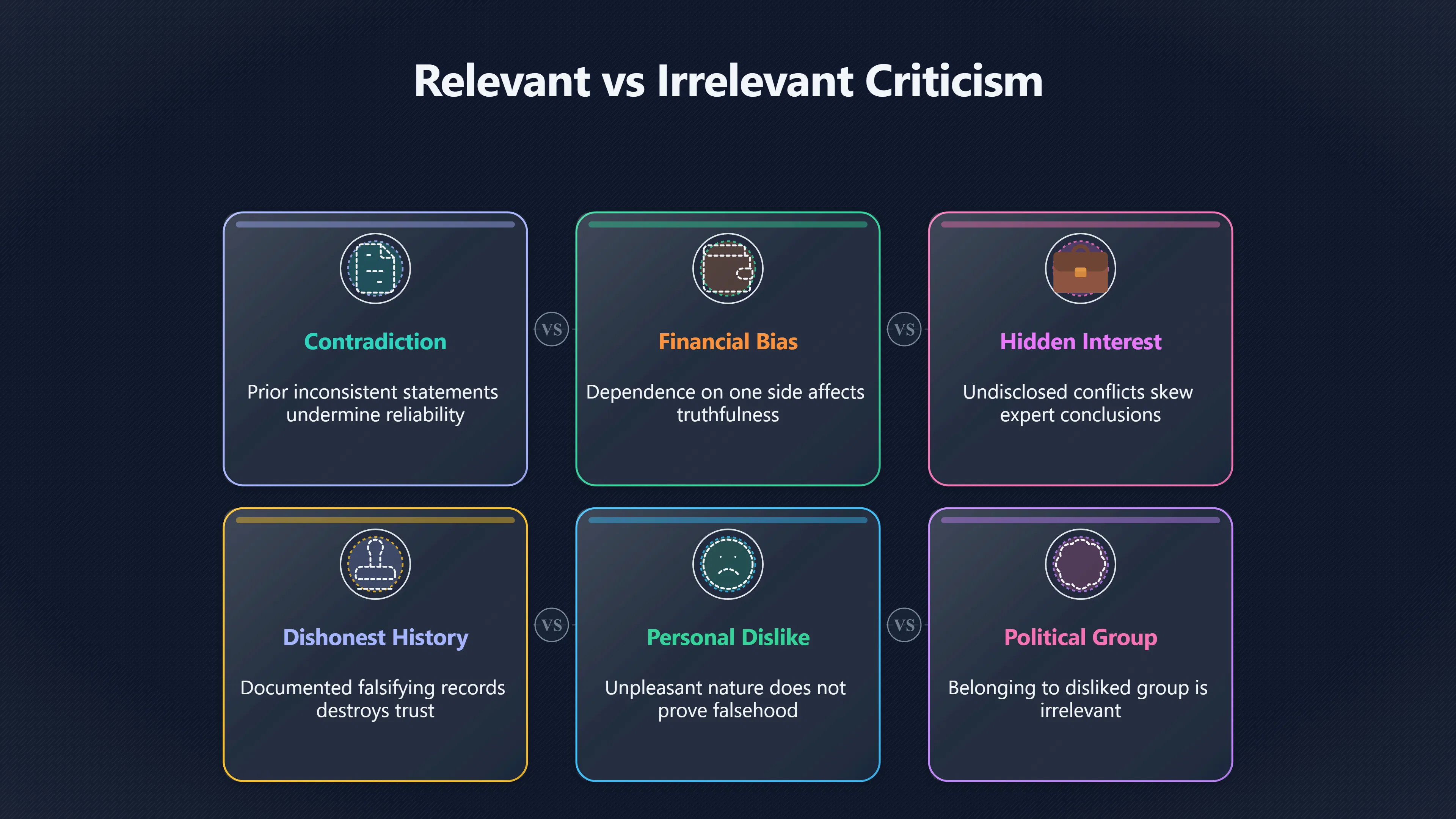
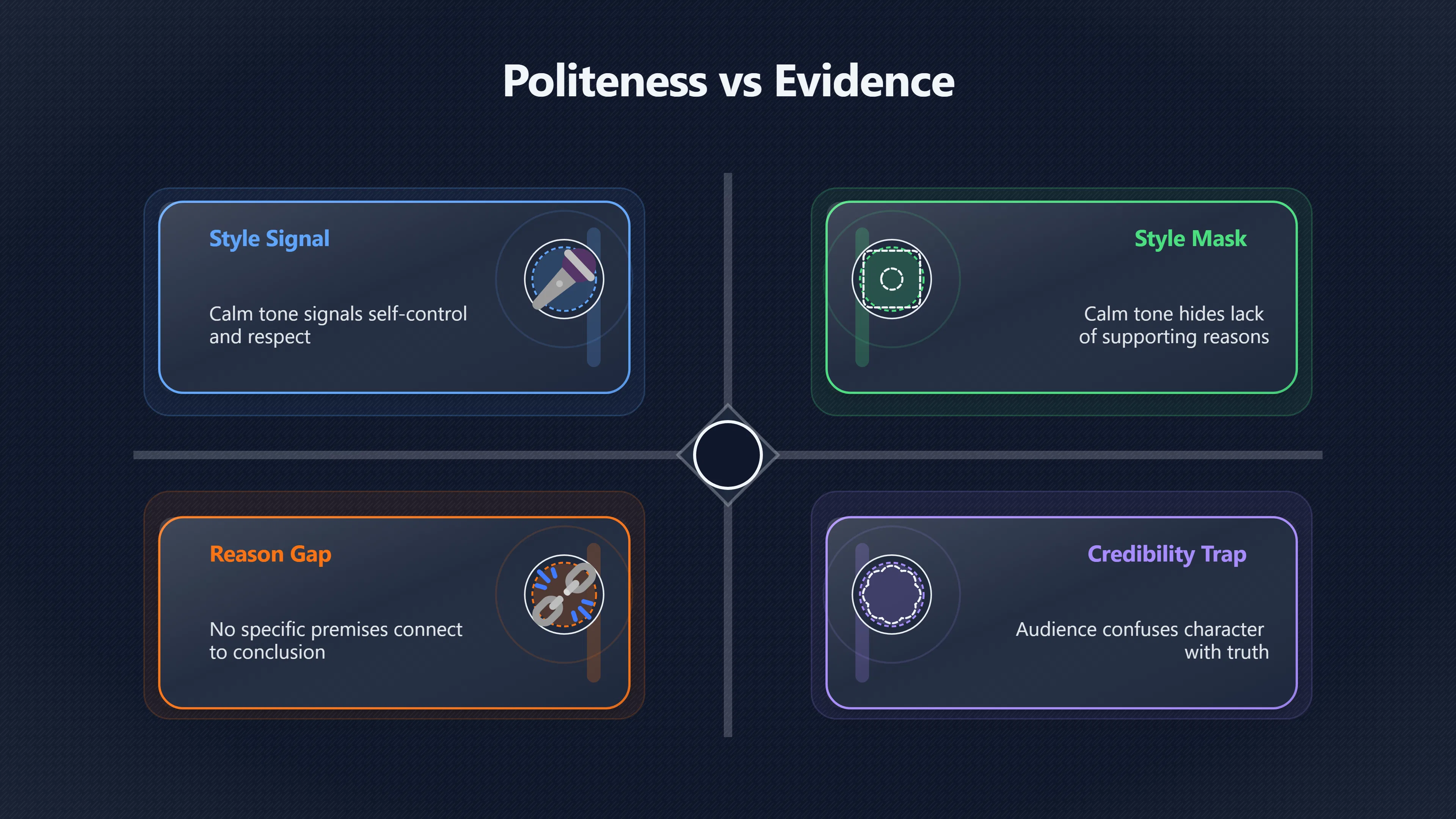
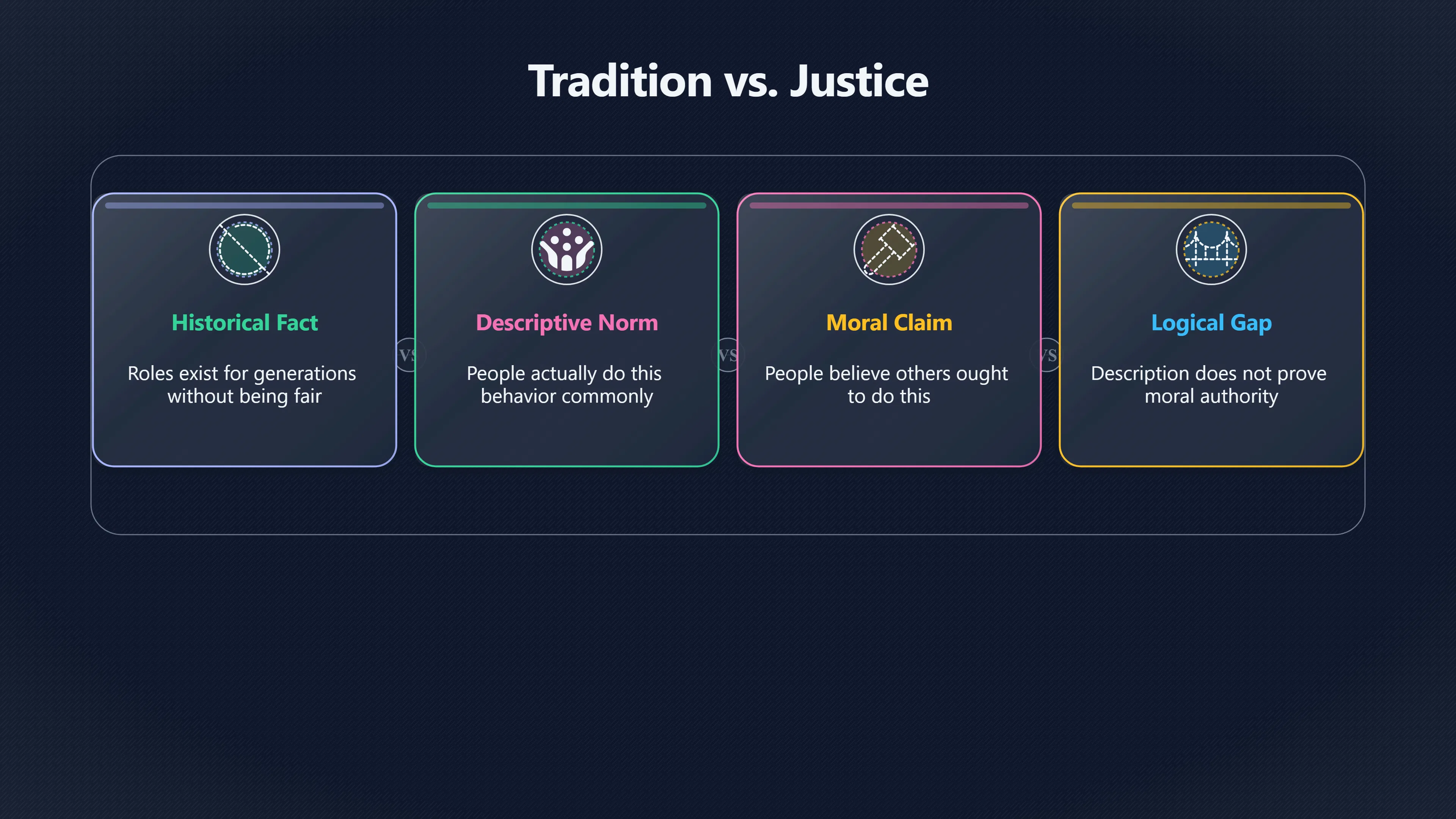
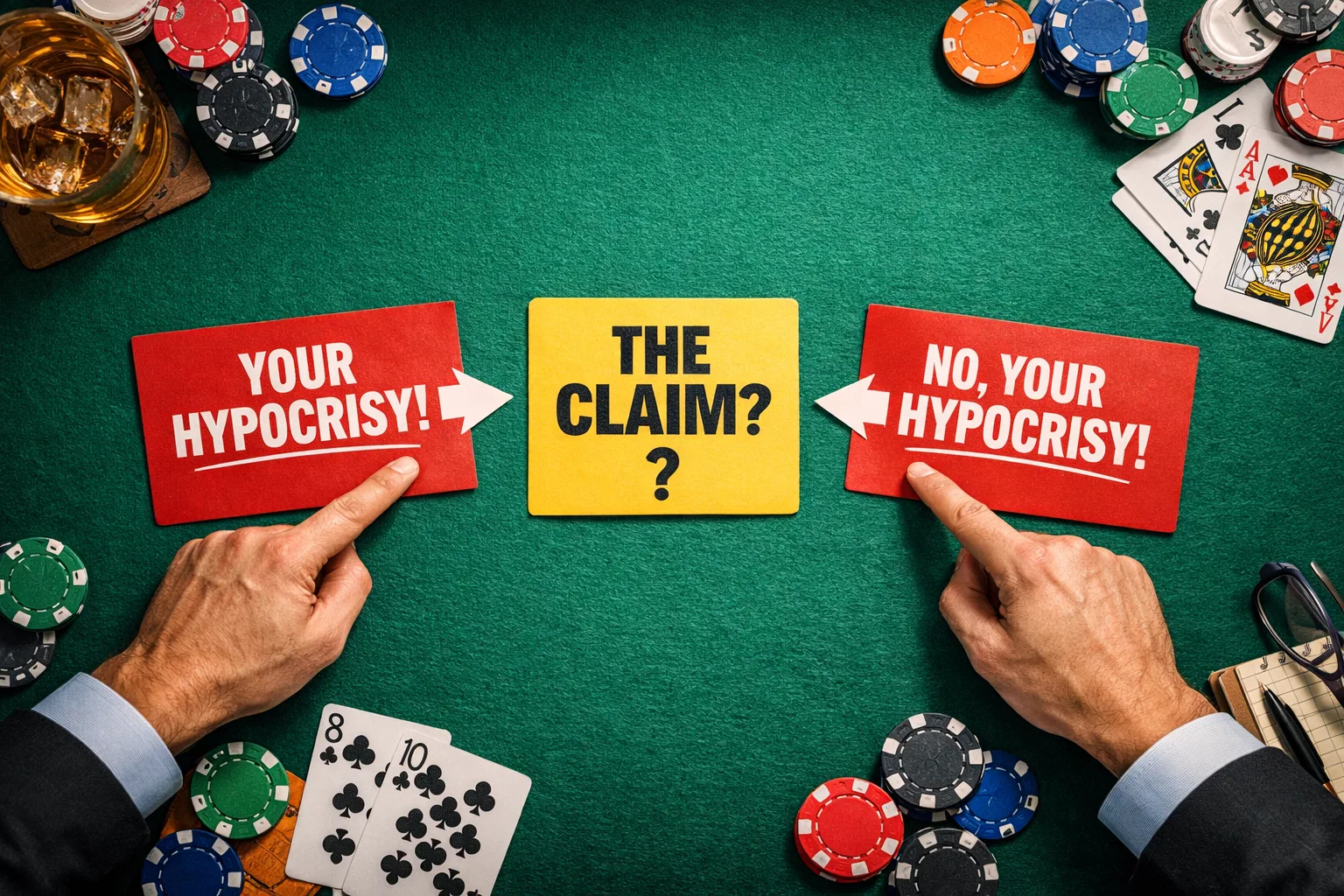
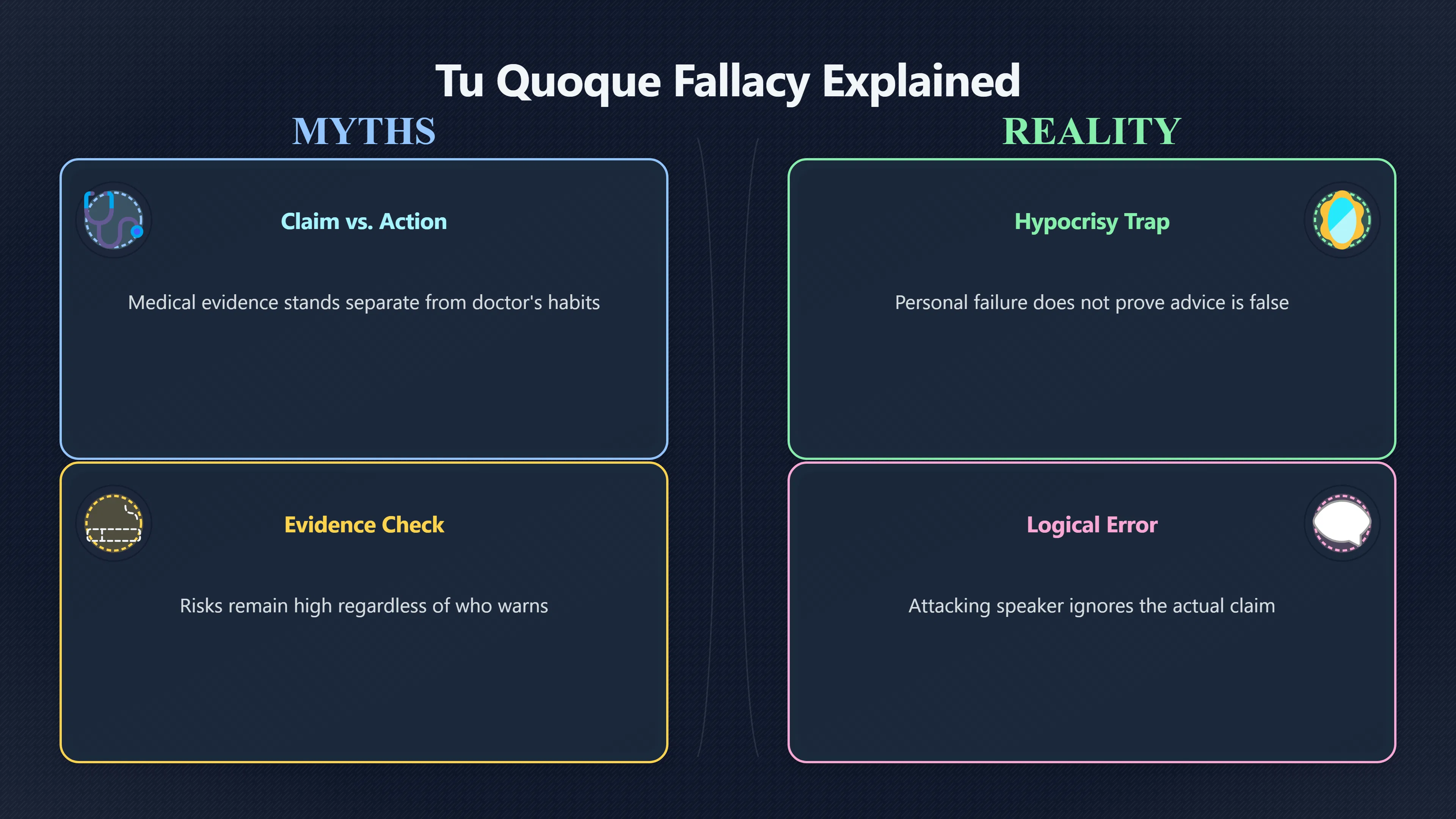
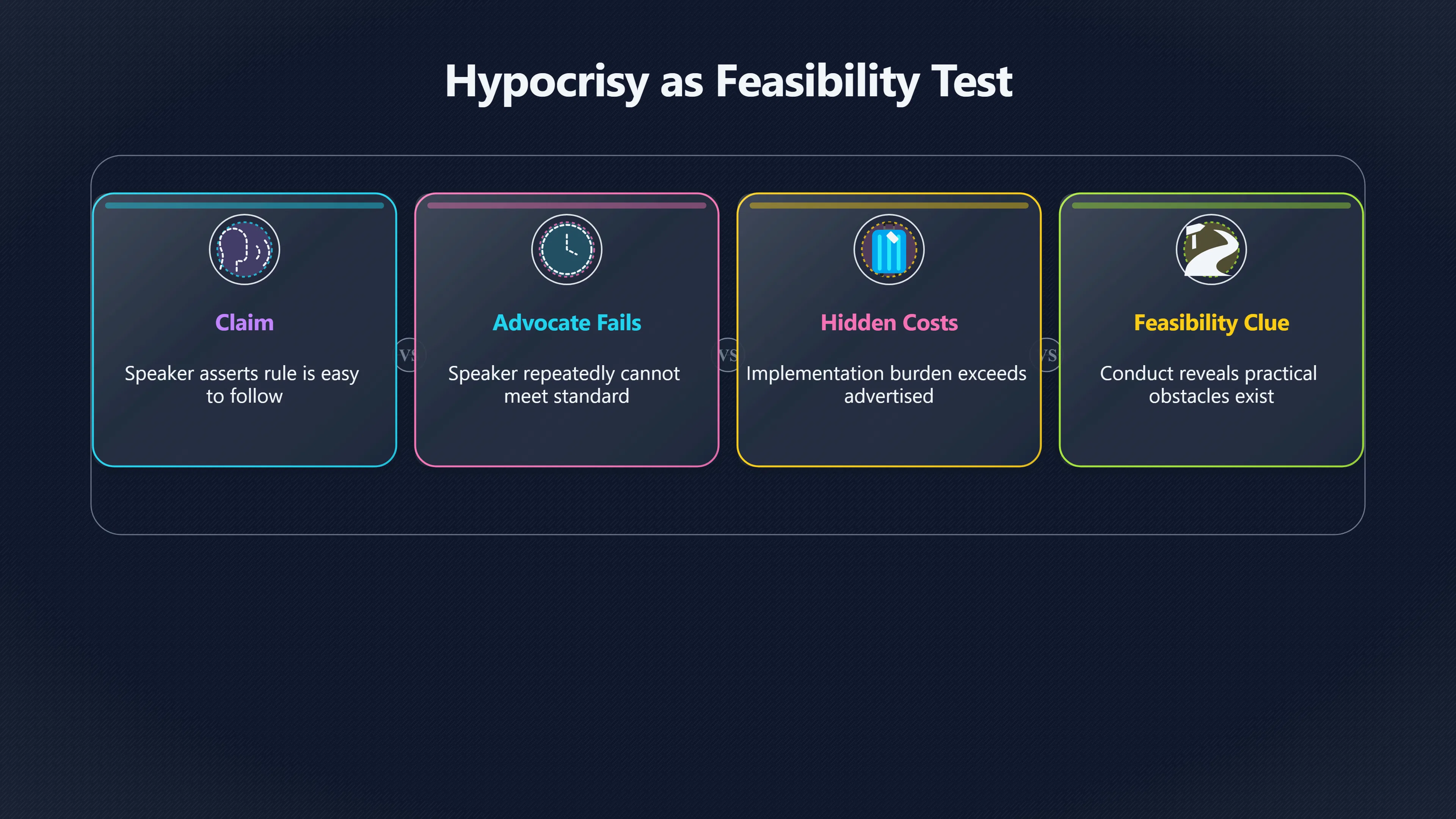
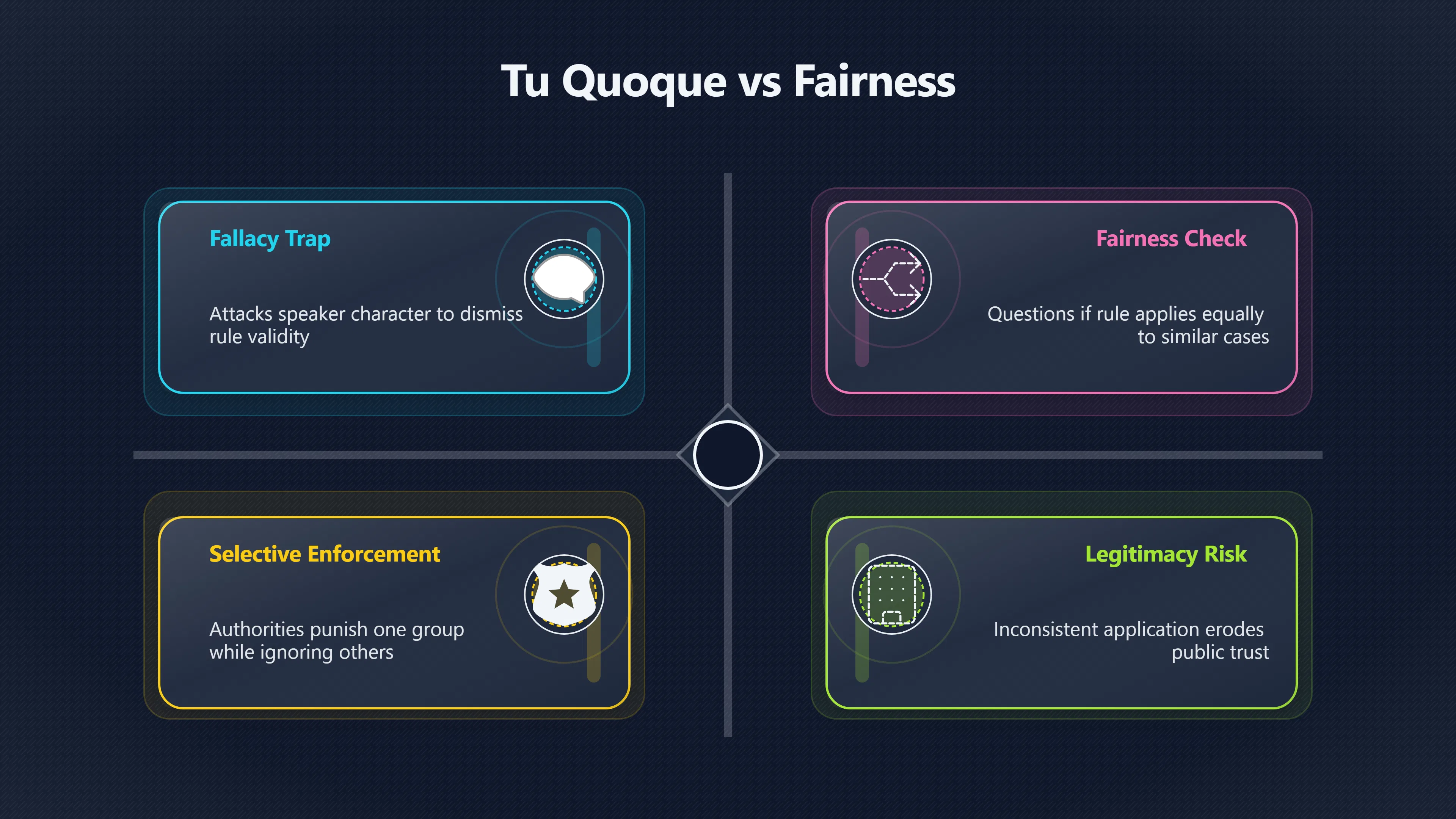
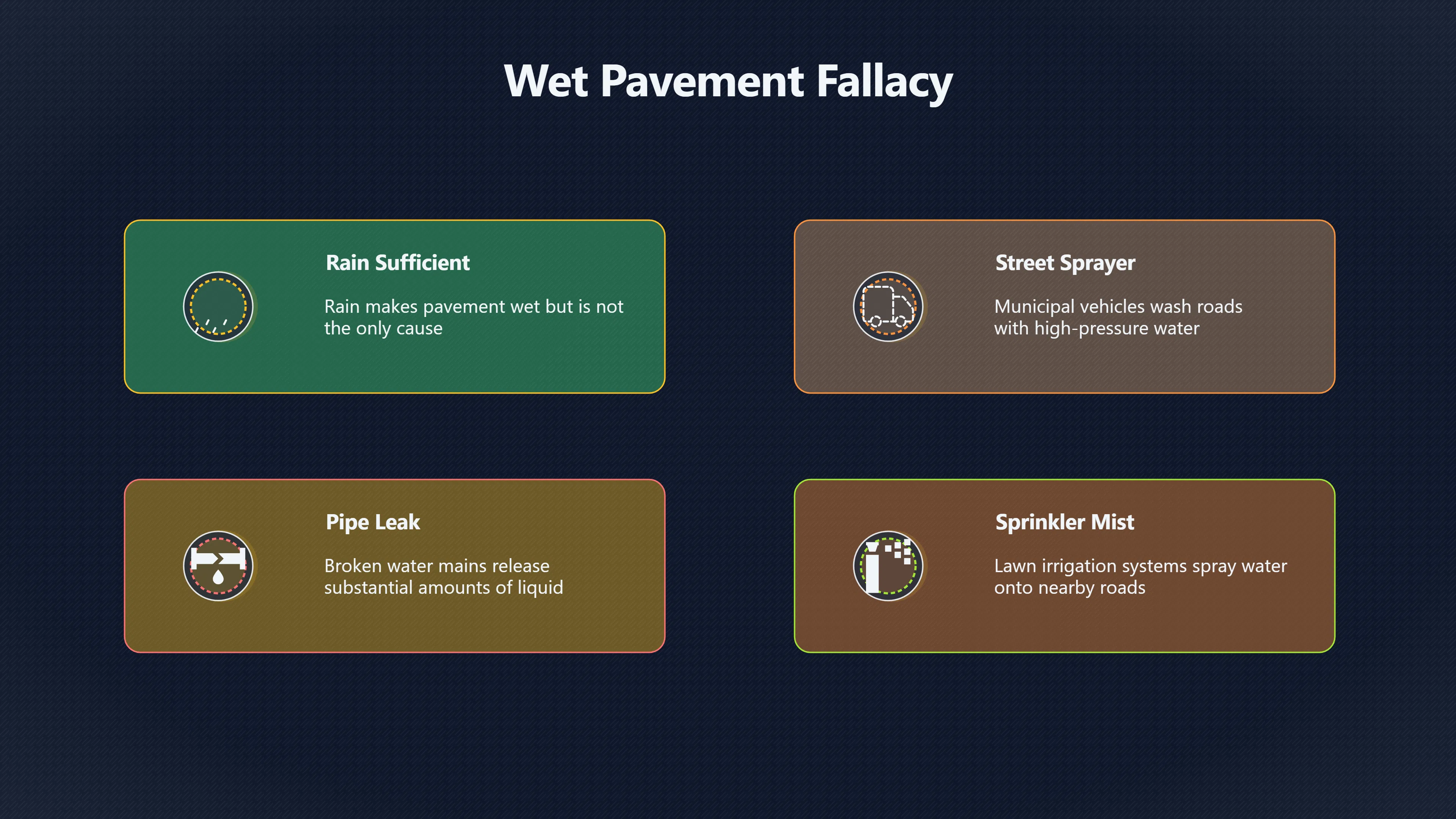
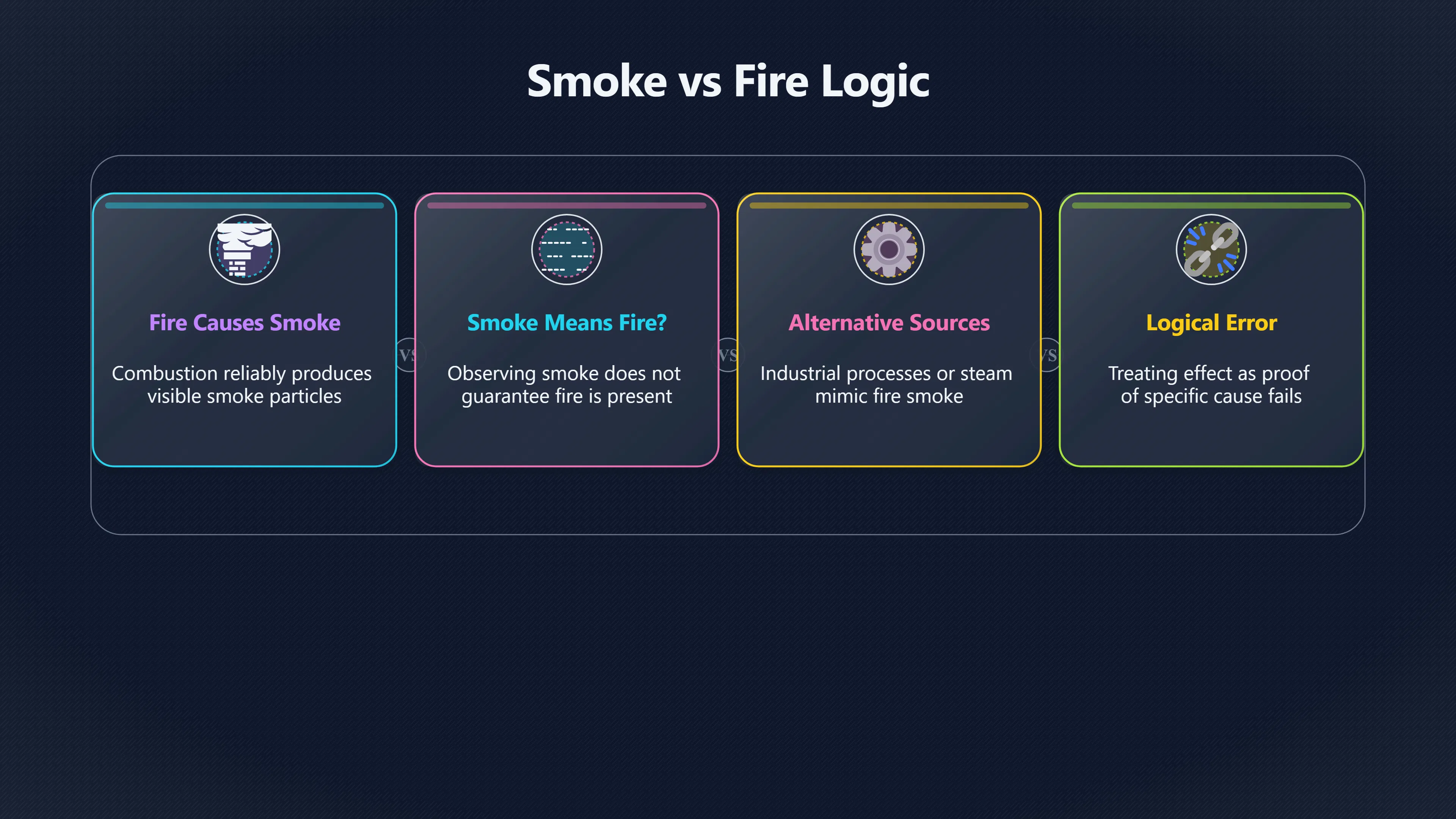
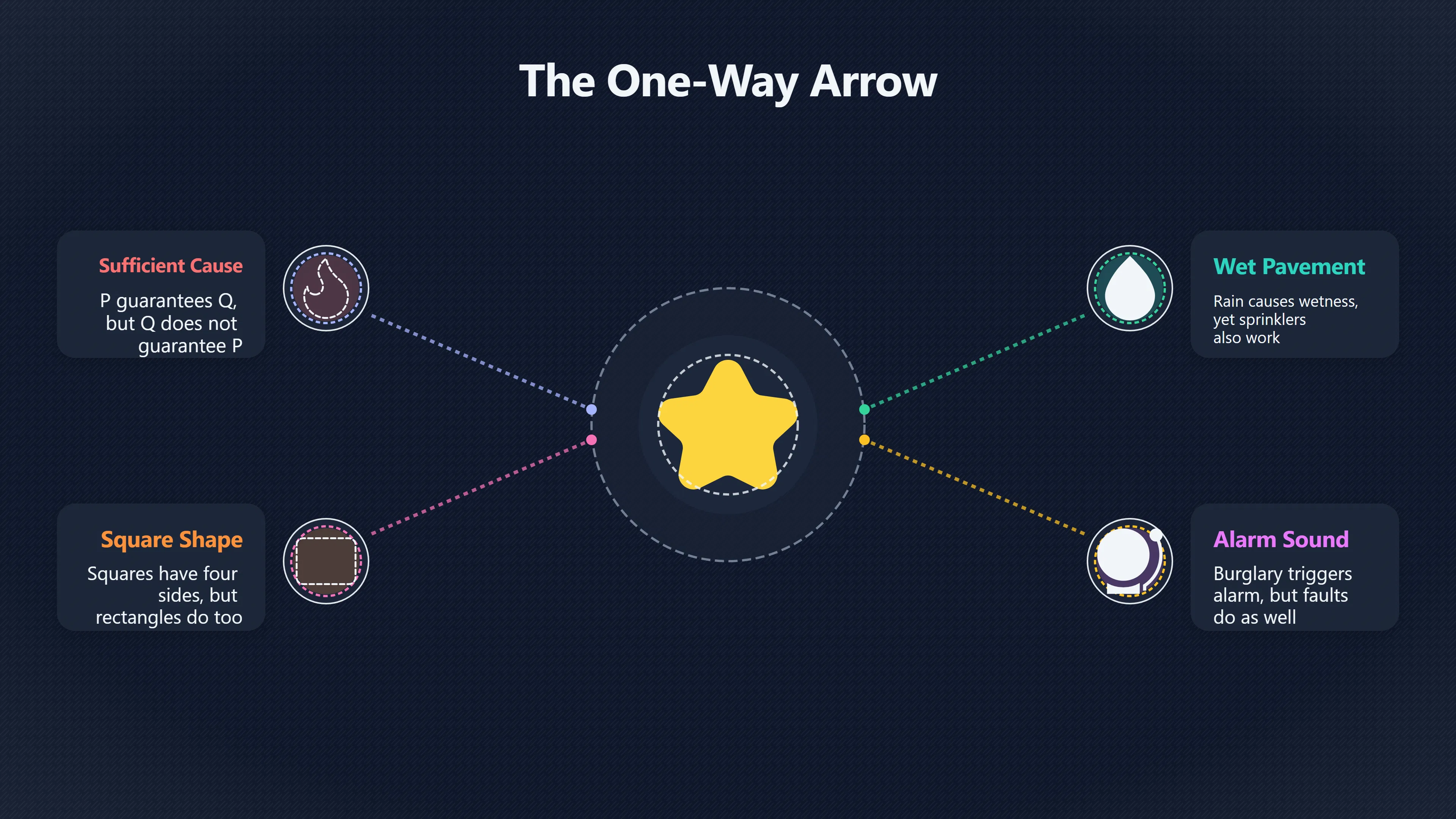
Expand all Collapse all Fallacy Lab Logical fallacies are flaws in reasoning that make an argument weaker than it first appears. They matter because they can make a poor claim sound persuasive, especially in essays, debates, advertising, political speech, social media posts and everyday disagreements. 241 pages Read more Ad Hominem When Personal Attacks Replace Reasons Ad hominem arguments shift attention from the claim to the person, often making disagreement less rational. 6 pages +Show subtopics Read more Science Effects Can attacking a scientist change beliefs? Research on attacks against scientists shows personal criticism can reduce confidence in claims even when evidence is untouched. Read more Tu Quoque Hypocrisy Tu quoque, often translated as “you too”, is a form of ad hominem argument that tries to dismiss a claim, criticism or recommendation by pointing out... Read more Association When association replaces evidence Associations can mislead when a disliked group or person is used to dismiss a claim without testing its reasons. Read more Credibility When character evidence actually matters Personal evidence matters only when it bears directly on reliability, expertise, testimony or conflicts of interest. Read more Pile ons Why online insults spread so fast Online formats can make a short insult travel faster than a careful rebuttal, changing how audiences judge a claim. Read more Advertising How Ads Make Weak Claims Persuasive Advertising often uses fallacy-like shortcuts that make products feel better supported than the evidence allows. 6 pages +Show subtopics Read more Review Ratings Can Star Ratings Become Manufactured Proof? Star ratings become weak evidence when fake reviews, small samples or filtered feedback make consumer opinion look stronger than it is. Read more Clinical Claims What Does Clinically Proven Actually Prove? Scientific-sounding advertising claims need details about the test, comparison, sample and result before they can support a conclusion. Read more Bandwagon Ads When Popular Ads Pretend Popular Means Proven Popularity can signal real uptake, but it cannot prove quality, safety or value unless the advert supplies stronger evidence. Read more Hidden Payments When Sponsored Praise Needs Clear Disclosure Disclosure rules matter because payment, gifts or brand ties can change how audiences judge an endorsement. Read more Celebrity Ads Why Fame Is Not Product Evidence A famous face can make a claim feel credible even when the celebrity has no relevant expertise or representative experience. Read more Anecdotes When Is a Story Not Enough? Personal stories can be meaningful but become weak support when used as broad proof without other evidence. 6 pages +Show subtopics Read more Medical Signals Can a Patient Story Warn US Early? Patient reports and case stories can reveal possible harms, but they need follow-up evidence before becoming proof. Read more After Treatment Did the Remedy Cause the Recovery? Feeling better after a remedy does not prove the remedy caused the recovery. Read more Fair Use How to Use Stories Without Cherry Picking Stories strengthen an argument when they illustrate supported patterns instead of replacing missing evidence. Read more False Rule When One Story Starts Sounding Like Proof Anecdotes mislead when one vivid case is treated as proof of what normally happens. Read more Vivid Stories Why Vivid Examples Feel So Convincing Memorable examples can feel common because they are easy to recall, not because they are statistically typical. Read more Argument Map Can You Map the Reasoning? Argument mapping helps separate claims, reasons and assumptions so weak links become easier to see. 6 pages +Show subtopics Read more Linked Premises Are These Reasons Independent or One Linked Argument? Many apparent reasons fail because they only work together, not as separate support for a conclusion. Read more Policy Objections Do the Objections Undermine the Policy or the Reasoning? Transport proposals reveal how objections can target evidence, assumptions, trade-offs, or implementation details. Read more Hidden Assumptions What Assumptions Make This Policy Argument Work? Policy arguments often rely on unstated assumptions about incentives, costs, feasibility, and outcomes. Read more Citation Gaps When a Scientific Source Does Not Prove the Claim A source may be real while the conclusion drawn from it goes far beyond what the evidence supports. Read more Weak Link Checks Which Part of the Argument Actually Fails? Systematic checks can reveal whether a problem lies in a premise, inference, assumption, or objection. Read more Authority When Should You Trust an Expert? Expert opinion can help, but it becomes weak support when expertise is irrelevant, overstated or treated as final. 6 pages +Show subtopics Read more Expert Consensus One Expert or the Whole Field? One qualified expert may offer useful evidence, but consensus usually carries more weight than an isolated authoritative voice. Read more Biased Experts When Experts Have Something to Gain Expert opinion becomes less reliable when funding, ideology, or personal incentives are hidden behind professional credentials. Read more Celebrity Claims When Fame Pretends to Be Expertise Famous endorsements can feel persuasive, but they often collapse when the celebrity has no relevant expertise for the claim. Read more Unnamed Experts Who Are These Experts, Exactly? Claims attributed only to unnamed experts are hard to check, making the appeal weaker even when the conclusion might be true. Read more Evidence Not Proof Why Experts Still Need Evidence Expert testimony can support an argument, but it should guide readers toward evidence rather than replace evidence altogether. Read more Bad Samples How Much Evidence Is Enough? Hasty generalisations draw big conclusions from too little evidence or from examples that are not representative. 6 pages +Show subtopics Read more Review Bias Do Bad Reviews Show the Whole Picture? Online complaints can reveal real problems, but they can also over-represent people motivated enough to post. Read more Small Samples How Many Examples Are Enough? A few real examples can raise a useful question, but they rarely prove a broad claim about a whole group or trend. Read more Digest Poll The Huge Poll That Got It Wrong The 1936 Literary Digest poll shows why a huge number of responses can still mislead when the sample is badly selected. Read more Experience What Personal Experience Can Prove Personal stories can identify real harms and useful leads, but they do not automatically measure how common a problem is. Read more Some to Most When Some Becomes Most Hasty generalisations often smuggle a claim from 'some' to 'most' when vivid examples fit what people already expect. Read more Bandwagon Are You Being Pressured to Join? Bandwagon arguments pressure people to agree by suggesting that everyone else is already on board. 6 pages +Show subtopics Read more Trending Loops How Trending Numbers Create More Trending Ratings, follower counts, bestseller badges, and trending labels can help navigation while also making popularity feed on itself. Read more Asch Lines What the Asch Experiments Still Show The Asch line experiments show how even obvious evidence can feel harder to trust when a unanimous group says otherwise. Read more Reach vs Truth When Popularity Is Not Proof A claim can be widely shared, downloaded, or repeated while still needing separate evidence for truth, safety, or quality. Read more Group Knows When Should You Trust the Crowd? Following the crowd can be reasonable when others have real expertise, but risky when people are only copying one another. Read more Standing Alone Why Disagreement Feels Socially Risky People may publicly agree with a group because dissent feels embarrassing, isolating, or socially risky even when they privately doubt it. Read more Circularity Is the Argument Proving Itself? Circular reasoning restates the conclusion as support, leaving the real question unanswered. 6 pages +Show subtopics Read more News Trust Can a Source Prove Its Own Reliability? Media reliability claims become circular when accuracy is proved by trust and trust is proved by accuracy. Read more Hidden Loops How Long Argument Chains Hide Circularity Circular reasoning can be hard to spot when several claims form a chain that eventually loops back to the start. Read more Bible Loops When Authority Arguments Turn in Circles Religious authority arguments can become circular when a source is treated as true because the claim already assumes its truth. Read more Rewording When Explanations Just Rename the Claim Some explanations sound scientific while merely restating the thing they were meant to explain in different words. Read more Support Test Would the Premise Convince a Skeptic? A simple test for circular reasoning is whether the premises could persuade someone who does not already accept the conclusion. Read more Context When Is It Really a Fallacy? The same argument form can be reasonable in one setting and misleading in another because context changes the support. 6 pages +Show subtopics Read more Two Options Are Those Really the Only Choices? A two-option choice is fair only when the situation genuinely excludes compromise, delay, revision, or rival alternatives. Read more No Proof When Does No Proof Actually Matter? A lack of proof can be weak reasoning in science but decisive in law when one side carries the burden of proof. Read more Fear Warnings When Is Fear a Fair Warning? Fear appeals are not automatically manipulative when the emotion points to a real danger and the conclusion stays proportionate. Read more Credibility When Is Personal Criticism Relevant? Personal criticism becomes relevant only when the person's credibility is part of the evidence being offered. Read more Expert Shortcuts When Should You Trust an Expert? Expert opinion can be a reasonable shortcut when the authority is relevant, qualified, independent, and treated as defeasible. Read more Deadlines Will One Extension Ruin the Rules? Deadline arguments show how one exception can be framed as disaster without evidence for each later step. 6 pages +Show subtopics Read more Self Certify Can Self Certified Extensions Stay Fair? Limited self-certified extensions test whether simple safeguards can reduce abuse while helping people with short-term problems. Read more Precedent Does One Extension Force the Next? A past extension can guide future decisions without forcing every later request to receive the same answer. Read more Rule Limits Is a Flexible Deadline Still a Deadline? A rule does not stop being a rule just because it includes defined exceptions for emergencies or equal-access needs. Read more Evidence Rules What Proof Should an Extension Need? Strong extension policies ask for enough evidence to verify hardship without turning every request into a punitive investigation. Read more Fairness Risk When Does One Extension Become Unfair? A deadline extension is a real fairness risk when vague discretion, hidden decisions, or unequal access make similar cases come out differently. Read more Debate How to Spot Fallacies in Debate Debates make fallacies tempting because speakers must answer quickly while persuading an audience. 6 pages +Show subtopics Read more Ad Hominem Do Not Take the Personal Bait An ad hominem response should avoid the personality fight and bring attention back to the evidence at stake. Read more Straw Men How to Answer a Straw Man Fast A straw man rebuttal works best when it restores the real claim before explaining why the attack misses it. Read more Labels Should You Name the Fallacy? A fallacy label helps only when the audience also hears exactly what reasoning step failed. Read more Charity The Fairer Way to Win Arguments Charitable reconstruction makes a rebuttal stronger by answering the best reasonable version of the opposing point. Read more False Choices When Debate Choices Are Too Neat False dilemmas can sound decisive because they turn a complex policy choice into only two visible options. Read more Emotion When Does Emotion Replace Evidence? Emotional appeals are not always fallacious, but they mislead when emotion substitutes for relevant support. 6 pages +Show subtopics Read more Fake Urgency How Countdown Pressure Shortens Judgment Countdowns, scarcity claims, and rushed prompts can pressure people to buy before they can inspect the reasons. Read more Fear Appeals When Fear Warns but Does Not Prove Fear appeals are strongest when danger is real, but they become fallacious when fear is asked to prove a claim. Read more Pity Proof When Pity Starts Doing the Proving Appeal to pity goes wrong when real suffering is used to settle a factual question that still needs evidence. Read more Fake News Why Emotional Headlines Feel True Emotional framing can make false headlines feel more believable when readers rely on feeling over checking. Read more Threats Why Threats Are Not Evidence Threats may give people a reason to act, but they do not provide evidence that the threatened claim is true. Read more Equivocation Did the Key Word Change Meaning? Equivocation happens when an argument relies on a word changing meaning without making the shift clear. 6 pages +Show subtopics Read more Natural Claims Does Natural Really Mean Safe or Good? Calling something natural can shift from a description of origin into an unsupported claim about health, safety or value. Read more Spotting It How Can You Tell When a Word Has Shifted? A repeated word can make a weak argument look strong when its meaning quietly changes between premise and conclusion. Read more Free Speech When Does Free Speech Become a Word Game? Arguments about free speech often blur legal protection, moral entitlement, social permission and immunity from criticism. Read more Compare Fallacies Which Ambiguity Fallacy Is Actually Happening? Equivocation changes word meaning, amphiboly changes sentence structure and accent changes interpretation through emphasis. Read more Theory Claims Why Only a Theory Misleads About Science The phrase only a theory weakens science by judging a technical term as if it meant a casual guess. Read more Essays How Fallacies Weaken Student Essays Fallacies in essays weaken credibility because the evidence does not connect cleanly to the thesis. 6 pages +Show subtopics Read more Straw Men Are You Answering the Real Objection? A counterargument becomes a straw man when it attacks a weaker version of an objection instead of the real one. Read more Scale Jumps How One Example Becomes Too Much One vivid example can be useful evidence, but it cannot carry a broad academic claim on its own. Read more Cherry Picking The Evidence Your Essay Cannot Ignore Ignoring the strongest contrary evidence can make an essay look selective even when many sources are cited. Read more Because Gaps When Because Does Not Prove the Point A weak because clause can make a paragraph sound persuasive while leaving the real proof missing. Read more Dropped Quotes Why Quotations Cannot Argue Alone A quotation only supports an essay claim when the writer explains what it shows and why it matters. Read more Evidence Gaps What Evidence Is the Argument Missing? Many fallacies work by making thin or missing evidence feel stronger than it really is. 6 pages +Show subtopics Read more False Cause Did It Work, Or Just Happen After? Improvement after a change is not enough to prove the change caused it unless rival explanations are addressed. Read more Ad Claims What Should Ads Have to Prove? Objective product claims need evidence strong enough to support both what is said and what consumers are likely to infer. Read more Bad Samples When Five Voices Become Everyone A few easy-to-reach voices can reveal a real concern while still failing to show what most people think. Read more Cherry Picking When One Study Hides the Rest A single favorable study can mislead when stronger, larger, or contradictory evidence is left out. Read more Anecdotes Why One Story Feels Like a Pattern A vivid story can prove something happened, but it cannot show how often it happens without wider evidence. Read more False Cause Did One Thing Really Cause Another? Post hoc reasoning mistakes sequence for causation when other explanations may fit the same events. 6 pages +Show subtopics Read more Policy Timing Did the Policy Work, or Just Arrive First? A policy followed by better outcomes may deserve attention, but background trends and other changes can explain the same result. Read more Counterfactuals The One Question False Causes Avoid Asking what probably would have happened without the supposed cause helps reveal whether timing is doing too much work. Read more VAERS Reports When After a Vaccine Is Not Proof Reports after vaccination can flag safety questions, but timing alone does not show that a vaccine caused the event. Read more Regression When Improvement Was Already Likely Extreme results often move closer to normal on their own, making weak interventions look more effective than they are. Read more Lucky Rituals Why Lucky Shirts Feel Like Evidence Superstitions often grow from memorable sequences where a personal ritual is mistaken for influence over chance outcomes. Read more False Dilemma What Choices Are Being Hidden? False dilemmas make complex choices look like only two extremes when practical alternatives may exist. 6 pages +Show subtopics Read more Privacy Security Do We Have to Choose Privacy or Safety? Privacy and security can conflict, but warrants, oversight, audits, and narrower rules show why the choice is rarely absolute. Read more Budget Debates Is It Really Pay More or Collapse? Budget claims like raise prices or face ruin often hide implementation choices about spending, timing, reserves, and safeguards. Read more Bush Phrase What Did 'With US' Leave Out? The post-9/11 phrase shows how political rhetoric can draw a sharp boundary while obscuring disagreement over methods. Read more Spotting Gaps What Options Did the Argument Leave Out? Either-or claims become easier to test when you separate the offered choice from the practical options left out. Read more Real Choices When Is a Dilemma Actually Real? Some decisions really do narrow to two choices, but the surrounding causes and remedies may still be more complex. Read more Formal Logic When the Structure Makes Reasoning Fail Formal fallacies show how an argument can fail even when its individual statements sound plausible. 6 pages +Show subtopics Read more Existence Errors Do Universal Claims Prove Anything Exists A statement about all members of a category may say nothing about whether that category has any real members. Read more Other Causes The Fallacy That Rules Out Too Much The absence of one sufficient condition does not prove that the expected result cannot happen another way. Read more False Effects When Evidence Looks Like Proof but Isnt A matching effect can support a hypothesis, but it does not deductively prove the one cause you already had in mind. Read more Probability Trap When Rare Evidence Misleads a Jury Rare evidence can be powerful, but reversing the probability question can make it seem far more conclusive than it is. Read more Shared Category Why Shared Traits Do Not Prove Identity Two things can share a broad category without being identical, equivalent, or logically connected in the claimed way. Read more Ignorance What Does Missing Evidence Prove? Appeal to ignorance turns a gap in evidence into proof unless the missing evidence would reasonably be expected. 6 pages +Show subtopics Read more Silence Test When Does No Evidence Actually Count? A missing trace matters only when the claim would normally leave evidence that a fair search could find. Read more Null Results When No Effect Has Not Been Proved A study can fail to find an effect because the effect is absent, or because the test was too small or too noisy to detect it. Read more Proof Burden Who Has to Prove the Claim? The person making a claim cannot make it true by demanding that everyone else disprove it first. Read more Not Proven Why Not Guilty Is Not the Same as False A legal acquittal means guilt was not proved under the required standard, not that every factual question is settled. Read more Rumour Gaps Why Silence Makes Rumours Feel True A delayed or absent denial can raise questions, but it does not by itself confirm that a rumour is true. Read more Informal Logic Why Context Changes the Argument Informal fallacies depend on context, wording, relevance and evidence rather than a fixed logical form. 6 pages +Show subtopics Read more Red Herrings Is That Point Relevant or a Distraction? A vivid side issue can feel persuasive while leaving the original claim unanswered. Read more Authority When Expert Opinion Is Not Enough Expert opinion can support a claim, but it should not replace evidence or hide uncertainty. Read more Anecdotes When One Story Becomes Too Much Proof Personal experience can be useful evidence, but it often cannot carry a broad conclusion by itself. Read more Equivocation When One Word Quietly Changes the Argument A small change in meaning can make a weak argument look much stronger than it is. Read more Ad Hominem When Personal Criticism Actually Matters Criticising a person is not automatically fallacious; the question is whether the criticism affects the claim. Read more Labels When Fallacy Labels Mislead Too Calling something a fallacy does not prove its conclusion false or end the need for analysis. 6 pages +Show subtopics Read more Anecdotes Does Anecdotal Evidence Make a Claim False? Anecdotes can be weak evidence, but dismissing the conclusion solely because the story is anecdotal repeats the error in reverse. Read more Repair How Fallacy Labels Can Improve Arguments Fallacy labels work best when they help writers revise weak support rather than punish them for making a mistake. Read more Bad vs True When Bad Arguments Still Reach True Claims A bad reason can fail to prove a claim without making the opposite claim true. Read more Authority When Expert Authority Is Helpful or Misleading Appeals to authority need checks for expertise, accuracy, independence, and evidence before they deserve trust. Read more Callouts Why Online Fallacy Callouts Go Wrong Online fallacy callouts can clarify a thread, but they often become quick dismissal instead of real evidence-checking. Read more Loaded Words What Is the Wording Sneaking In? Loaded wording can smuggle assumptions into an argument before the evidence has been examined. 6 pages +Show subtopics Read more Charged Labels Are the Labels Doing More Than the Evidence? Words such as 'corrupt', 'humane' or 'reckless' can push a conclusion before the supporting facts are established. Read more Memory Framing Can One Word Change What People Remember? Small wording changes in questions can alter what people recall and report about the same event. Read more Biased Surveys How Question Wording Skews Survey Results Question wording can distort survey results by assuming facts, steering responses or narrowing acceptable choices. Read more Hidden Assumptions How to Detect the Premises No One Defends A few diagnostic questions can reveal whether an argument depends on an unsupported background assumption. Read more Loaded Questions When Does a Question Smuggle In an Answer? Some questions are structured so that any direct answer appears to accept a claim that has never been proven. Read more No True Are Definitions Moving to Escape Evidence? The no true Scotsman move protects a general claim by redefining membership whenever counterexamples appear. 6 pages +Show subtopics Read more Purity Labels How Purity Labels Shut Down Evidence Words like real, genuine, and proper can police identity instead of answering evidence. Read more Persuasive Words When Definitions Carry Hidden Judgment A familiar praise word can keep its emotional appeal while its boundary quietly changes to favor one side. Read more Membership Tests When Does a True Member Really Count? A membership claim becomes fairer when its rule is stated in advance, applied consistently, and open to real counterexamples. Read more Fair Redefinition When Is Redefinition Not a Fallacy? Some exclusions are not evasions because the boundary is built into law, credentials, rules, or ordinary usage. Read more Porridge Case Why the Porridge Example Still Works The porridge story shows how one word, true, can turn a testable claim into a protected identity label. Read more Novelty Is New Always Better? Appeal to novelty assumes newer ideas, tools or policies are better simply because they are recent. 6 pages +Show subtopics Read more Tech Hype Does the New Feature Still Work Later? A new feature can look successful at launch because users are curious, not because the change will keep working. Read more Fair Comparison How to Compare Old and New Fairly The fair test is not whether an option is old or new, but what each one improves, preserves, risks, and costs. Read more Modern Claims When Modern Language Does the Persuading Calling a reform modern can make it sound progressive before anyone proves that it improves outcomes. Read more Medical Proof When New Treatments Outrun the Evidence A new treatment can be promising without yet proving that it helps patients more than existing care. Read more New Coke Why New Coke Was Not Just a Taste Test New Coke shows how a tested improvement can still fail when it misses what people valued in the old product. Read more Phones Are Phone Rules Really All or Nothing? School phone debates show how false dilemmas can hide practical middle-ground policy options. 6 pages +Show subtopics Read more Locked Pouches Are Locked Pouches a Simple Fix? Locked pouches reduce access during school, but they can also bring costs, resistance and new discipline problems. Read more Test Scores Do Phone Bans Raise Test Scores? One influential English study found test-score gains from bans, especially for lower-achieving pupils, but it cannot settle every policy question. Read more Wellbeing Do Phone Rules Improve Wellbeing? Restricting phones can reduce school-day use, but current evidence does not prove broad improvements in wellbeing, sleep or anxiety. Read more Ban Models What Does a Phone Ban Actually Mean? A phone-free day can be stricter than classroom limits without requiring every pupil to leave their device at home. Read more Exceptions When Should a Phone Rule Bend? Exceptions for health, disability, caring and safety needs can make a strict rule fairer without making it meaningless. Read more Politics How Public Arguments Go Off Track Political arguments often mix emotion, identity and evidence, making relevance and support especially important. 6 pages +Show subtopics Read more Polite Fallacies Can a Fallacy Sound Perfectly Reasonable? Fallacious arguments can sound civil and reasonable while still steering audiences away from evidence. Read more Straw Man How Healthcare Claims Become Straw Men Healthcare arguments can become easier to attack when a complex proposal is recast as a frightening caricature. Read more Deregulation The Missing Middle in Deregulation Debates Deregulation claims can turn a spectrum of policy choices into a forced choice between freedom and collapse. Read more Popularity When Majority Support Becomes Fake Proof Majority support can be politically important, but it does not prove that a claim is true or a policy is sound. Read more Ad Hominem When Personal Attacks Hide the Policy Question Personal attacks can make opponents seem illegitimate while leaving the policy question itself unanswered. Read more Popularity Does Belief Make a Claim True? Appeal to popularity treats widespread belief as proof, even though popularity and truth are different questions. 6 pages +Show subtopics Read more Fake Reviews Can Popular Reviews Be Trusted? Ratings and reviews can guide choices, but fake reviews create artificial crowd belief that looks more evidential than it is. Read more Cascades How Bandwagons Grow From Thin Evidence Information cascades explain how early public choices can drown out later private evidence and make a weak crowd look informed. Read more Social Proof When Social Proof Stops Being Evidence Crowd behavior can be useful under uncertainty, but it becomes risky when imitation is mistaken for independent proof. Read more The Asch Conformity Experiments Why Obvious Answers Can Bend Under Pressure The Asch line studies show how group agreement can push people toward answers that conflict with what they can see. Read more Popularity Bias Why Trending Lists Can Distort Judgment Recommendation platforms can make already-popular items more visible, turning exposure into a feedback loop that feels like proof. Read more Red Herring Is This Point Actually Relevant? Red herrings introduce interesting but irrelevant material that avoids the question being asked. 6 pages +Show subtopics Read more Context Test Is It Context or a Dodge? Context is useful only when it helps answer the original question instead of replacing it with an easier one. Read more Straw Man Straw Man or Red Herring? A straw man attacks a distorted claim, while a red herring leaves the original claim behind without necessarily misrepresenting it. Read more Detail Flood When Details Become a Smokescreen Too many details can feel like evidence while actually burying the question that needed a clear answer. Read more Whataboutism When Whataboutism Becomes a Dodge Whataboutism can expose real double standards, but it becomes a diversion when it avoids the charge on the table. Read more Dead Cat Why Shocking Distractions Work A shocking new topic can dominate attention even when observers recognize that it has not answered the damaging question. Read more Relevance Does This Reason Actually Matter? Relevance tests ask whether a reason actually bears on the conclusion rather than merely sounding persuasive. 6 pages +Show subtopics Read more Popularity Does Popular Belief Make a Claim True? Majority belief can show what people think, but it rarely proves that a factual, moral or historical claim is true. Read more Warrants The Missing Bridge Between Evidence and Claim The warrant is the missing bridge that explains why a reason actually supports a conclusion. Read more Ad Hominem When Character Attacks Are Actually Relevant Personal criticism matters only when the conclusion depends on trustworthiness, testimony or conflicts of interest. Read more Pity Appeals When Sympathy Does Not Prove the Claim Hardship may deserve compassion, but it does not automatically prove that a grade has been earned. Read more Red Herrings When True Concerns Pull Arguments Off Track A real concern can still distract when it answers a different question from the one being argued. Read more Remedies Do Popular Remedies Prove Themselves? Claims about remedies often confuse popularity, anecdotes and missing disproof with reliable evidence. 6 pages +Show subtopics Read more Ad Red Flags How miracle cure ads sell belief Miracle-cure ads often repeat recognizable warning signs, from secret ingredients to conspiracy claims about suppressed cures. Read more Interactions Natural does not always mean safe Natural products can have real biological effects, including interactions that weaken or intensify prescribed medicines. Read more FDA Warnings What warning databases reveal about remedies Regulatory warning lists show that products can be marketed and bought before their claims or ingredients are trustworthy. Read more Testimonials When recovery stories are not evidence Personal recovery stories can be sincere and still fail to show whether a remedy caused the improvement. Read more Popularity Why bestsellers can still mislead A bestseller label or millions of users can show demand, but it cannot prove that a product treats disease. Read more Rumours Why Rumours Feel Like Evidence Rumours often rely on ignorance, popularity or weak causal links instead of verifiable support. 6 pages +Show subtopics Read more False Cause Did that really cause this? A rumour can feel explanatory when it links two events by timing, but sequence alone does not prove cause. Read more Health Harm When health rumours become dangerous Health rumours can move from weak reasoning to dangerous action when fear, false causes, and trusted messengers combine. Read more Viral Proof When sharing looks like evidence Many reposts can look like many witnesses, even when they all trace back to the same unverified source. Read more FOAF Claims Who actually said the warning? Anonymous experts and distant personal connections can lend rumours borrowed credibility without real accountability. Read more No Disproof Why no disproof is not proof A claim does not become credible just because critics have not disproved every possible version of it. Read more Safety Claims Did the Answer Address Safety? Corporate responses can dodge safety questions by shifting attention to unrelated good deeds or brand messages. 6 pages +Show subtopics Read more Scale Claims Can Big Numbers Hide a Serious Hazard? Millions of successful uses can still leave a small exposed group facing an unacceptable product risk. Read more Tread Case Did Warnings Answer the Tread+ Risk? The Tread+ dispute shows why blaming unsafe use can miss design risks in ordinary homes with children, pets, and distractions. Read more Safety Pledges When 'We Care About Safety' Is Not an Answer A safety pledge only answers a product hazard claim when it is tied to incidents, testing, user advice, and corrective action. Read more Crash Stats When Safety Statistics Compare the Wrong Things A favorable safety statistic can mislead when the comparison groups do not measure the same kind of crash or driving condition. Read more CPSC Reporting Why Regulators Want Hazard Facts Fast Hazard-reporting duties make the core question practical: what did the company know, when did it report, and what should users do now? Read more Slippery Slope Will One Step Really Lead There? Slippery slope arguments need evidence that each step in the predicted chain is likely, not just possible. 6 pages +Show subtopics Read more Safeguards Can the Slide Be Stopped in Time? A risk argument is stronger when it explains why safeguards might fail, and weaker when it ignores safeguards that could work. Read more Boundaries Does a Blurry Line Mean No Line? Blurred boundaries can make decisions harder, but they do not prove that every practical distinction is arbitrary. Read more Precedent Does One Exception Really Rewrite the Rule? Precedent matters, but one decision does not automatically force every later case to be treated the same way. Read more Mechanisms What Actually Makes the Slope Slippery? A stronger warning explains the mechanism that could make later steps easier after the first decision. Read more Missing Middle Where Did the Middle of the Slope Go? A slippery slope warning fails when it jumps from a modest first step to a frightening endpoint without showing the steps between. Read more Social Media Why Bad Arguments Spread Fast Online Social media can reward quick, emotional and simplified arguments before their reasoning is checked. 6 pages +Show subtopics Read more Outrage Does Outrage Make Bad Arguments Spread? Outrage can draw attention to real harms, but it becomes risky when emotional force substitutes for valid reasoning. Read more Pile Ons When Personal Attacks Pretend To Prove A Point Personal attacks can feel like decisive answers online while leaving the actual claim and evidence untouched. Read more False Choices When Viral Posts Force False Choices Viral claims often flatten messy issues into two-sided moral tests that hide missing evidence and reasonable nuance. Read more False News Why False Claims Outrun Careful Corrections False claims often travel farther than careful corrections because novelty, speed and social sharing reward simple stories. Read more Screenshots Why Screenshots Are Not Always Evidence A real screenshot, quote or personal story can still support a bad conclusion when context and scale are missing. Read more Sports Cause Did the Logo Cause the Losing Streak? Sports superstitions show how timing can be mistaken for cause when performance has many possible explanations. 6 pages +Show subtopics Read more Post Hoc Did the Logo Really Cause the Losing Streak? A losing streak after a crest change can feel like proof, but timing alone cannot show that the badge caused the slump. Read more Evidence Checks How to Test a Sports Logo Curse A serious logo-causation claim needs competing explanations, performance data and a clear path from symbol to results. Read more Logo Rules Respect Ritual or Real Sports Curse? Avoiding the dressing-room logo can be a meaningful team norm without proving that stepping on it changes the score. Read more Lucky Hits Why Logo Superstitions Survive Bad Evidence Logo superstitions survive because remembered hits, forgotten misses and revised rituals make them hard to disprove. Read more Fan Backlash Why New Sports Logos Make Fans Angry A rebrand can damage trust, identity and merchandise appeal even when it does not directly explain on-field results. Read more Straw Man Are You Answering the Real Argument? A straw man replaces a real position with an easier target, making disagreement look simpler than it is. 6 pages +Show subtopics Read more Quote Mining How Quotes Lose Their Meaning Selective quotation can make a speaker sound simpler, harsher or more extreme than the full passage supports. Read more Corrections How to Answer a Straw Man A good correction identifies the changed claim, restores the real target and returns the discussion to the evidence. Read more Exaggeration When Moderate Claims Become Easy Targets Exaggeration makes careful proposals easier to attack by replacing limits, trade-offs and qualifications with an extreme version. Read more Weak Manning When the Weakest Example Stands In Weak-manning lets an arguer defeat a poor example of a view while implying that the stronger side has no serious case. Read more Hollow Men Who Actually Holds That View? Hollow man arguments attack unnamed critics or generic groups in ways that make the target hard to verify. Read more Tone Is Tone the Same as Logic? An argument can be impolite yet relevant, or polite yet logically weak, so tone alone is not the test. 6 pages +Show subtopics Read more Anger Can an angry argument still be logical? Emotional language is not a fallacy unless it replaces evidence, pressures the audience, or distracts from the claim being tested. Read more Four Tests The four tests every argument faces A single statement can be logically strong, socially harmful, ethically poor, or strategically unpersuasive at the same time. Read more Tone Policing When does tone policing become a fallacy? Tone policing becomes a reasoning problem when criticism of delivery is used to avoid answering relevant claims or evidence. Read more Credibility When is a personal criticism relevant? Personal criticism can be relevant when it bears directly on testimony, trust, or a role-specific duty rather than replacing the argument. Read more Polite Weakness Why polite arguments can still be bad Civil phrasing can disguise weak reasoning when status words, reassurance, or vague authority replace evidence for the conclusion. Read more Tradition Is Old the Same as Right? Appeal to tradition treats age or familiarity as proof that a practice is correct or still justified. 6 pages +Show subtopics Read more Traditional Roles Does Tradition Make Roles Fair? A role being traditional does not show that exclusion, hierarchy or unequal treatment is fair today. Read more Time Tested What Has Time Really Tested? Calling a practice time-tested is useful only after asking what outcomes, conditions and alternatives were really tested. Read more Semmelweis When Medical Tradition Cost Lives Semmelweis's handwashing case shows how professional habit can resist evidence even when lives are at stake. Read more Old Rules When Should Old Rules Stay? Old rules deserve investigation before removal, but their age alone cannot prove they still solve the right problem. Read more Status Quo Why Familiar Choices Feel Safer Familiar options can feel less risky even when nobody has compared them fairly with available alternatives. Read more Tu Quoque Does Hypocrisy Refute the Claim? Tu quoque replies point to inconsistency in the speaker, but that does not automatically answer the claim. 6 pages +Show subtopics Read more Smoking Doctor Can a Hypocrite Still Give Good Advice? A hypocritical doctor can still give sound health advice when the warning rests on evidence rather than personal example. Read more Feasibility Does Hypocrisy Reveal Hidden Costs? A speaker's failure to follow an easy-sounding rule may reveal that the proposal is harder than advertised. Read more Double Standards When Double Standards Are the Point Pointing out inconsistency can be directly relevant when the dispute is about fair enforcement or equal treatment. Read more Credibility When Hypocrisy Really Hurts Credibility Hypocrisy matters most when the claim depends on personal trust, authority, sincerity or special competence. Read more Whataboutism When Whataboutism Dodges the Real Issue Whataboutism can expose double standards, but it often dodges the original accusation instead of answering it. Read more Wet Pavement Why One Explanation Is Not Enough Affirming the consequent shows why one possible explanation is not the same as the only explanation. 6 pages +Show subtopics Read more Driver Example Does No Accident Prove Good Driving? Avoiding accidents may suggest good driving, but luck, low mileage, and easy roads can explain the same result. Read more Truth Table The Truth Table That Breaks the Rain Claim A truth table shows the exact row where wet pavement and a true conditional still leave rain unproven. Read more Other Causes What Else Could Make Pavement Wet? Wet pavement can point to rain, but street cleaning, sprinklers, leaks, or flooding can make the same observation misleading. Read more Smoke and Fire When Bad Logic Still Feels Sensible Some effect-to-cause guesses are useful in real life, but they are not deductive proof unless other causes are ruled out. Read more One Way Logic Why If P Then Q Does Not Reverse A conditional promise only runs one way unless the statement also says the outcome cannot happen any other way. Read more Search pages Search topic, branch, or keyword... Scope 241 pages Search pages Clear